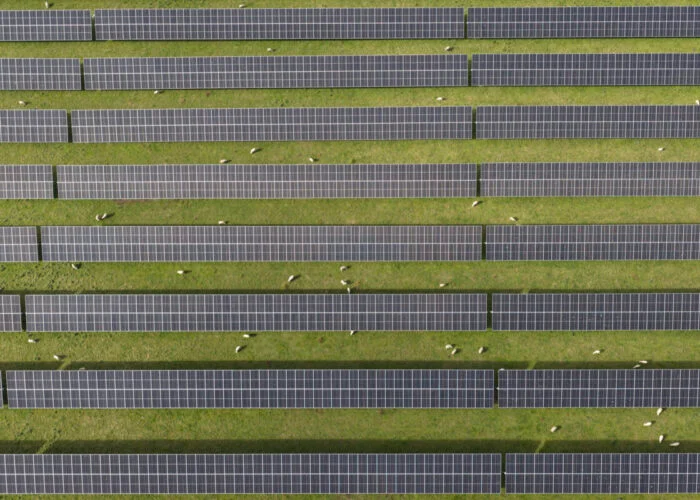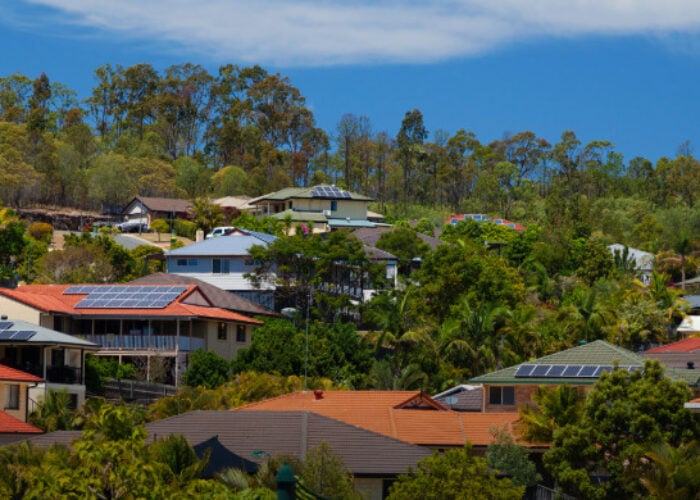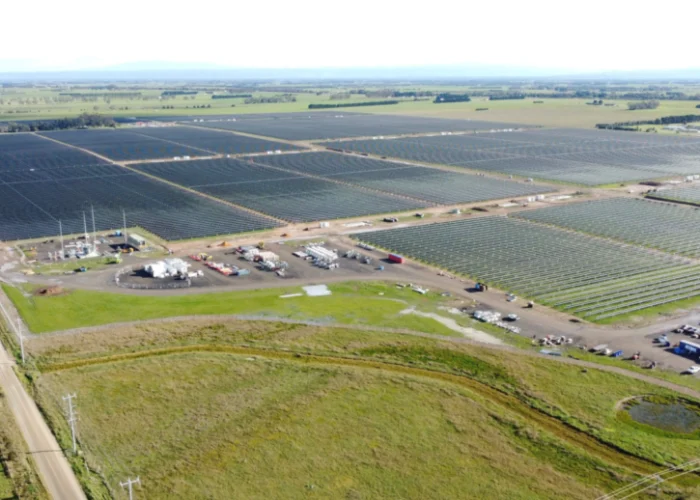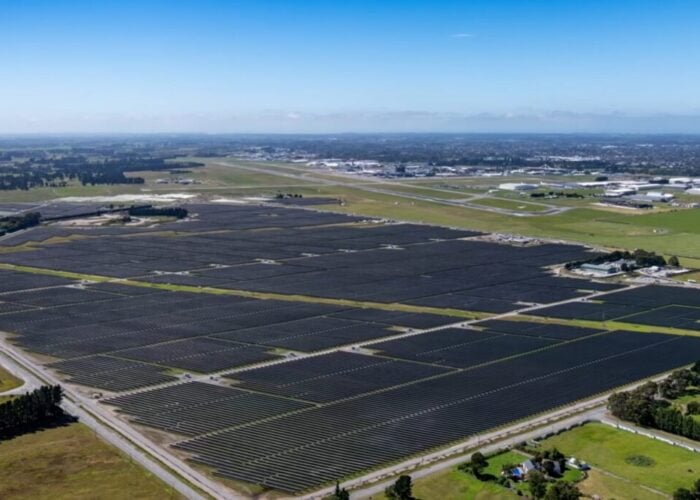
With Germany working on its goal of producing 80% of electricity consumption covered by renewable energy in 2030 as set out in the EEG 2023, it has announced plans to provide a new contract model to enlist local communities in the energy transition.
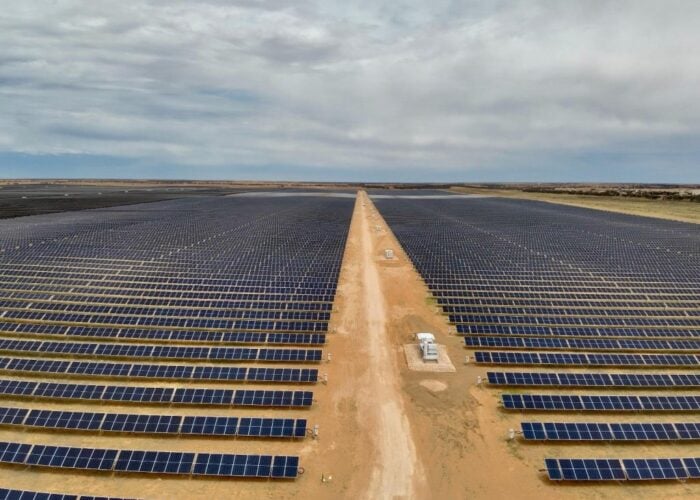
Municipalities can now participate in the operation of new and existing solar parks by receiving up to €0.2 per kWh that the facilities generate.
Try Premium for just $1
- Full premium access for the first month at only $1
- Converts to an annual rate after 30 days unless cancelled
- Cancel anytime during the trial period
Premium Benefits
- Expert industry analysis and interviews
- Digital access to PV Tech Power journal
- Exclusive event discounts
Or get the full Premium subscription right away
Or continue reading this article for free
According to the Association of Energy Market Innovators (BNE), with a 50MW ground-mounted PV system, municipalities can have an annual contribution of €100,000 (US$107,300) to the community budget.
BNE is offering two free sample contracts – including one for new and repowered systems and a simplified contract for existing systems – and a sheet with explanations of the content of the contract and further information on the legally secure conclusion of the contract.
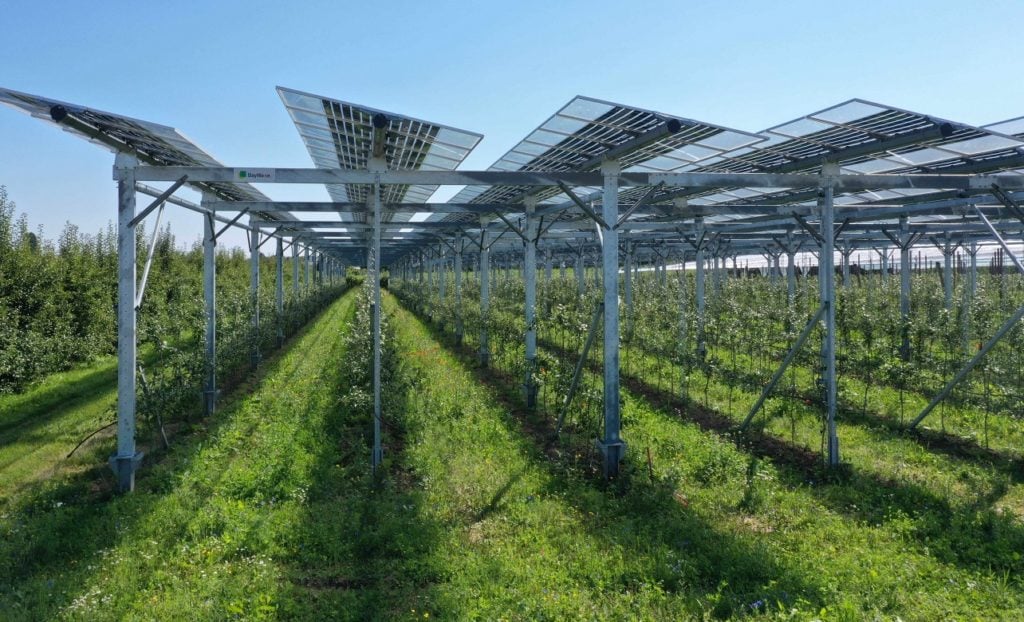
Robert Busch, managing director of BNE said that it is crucial to enable local communities, farmers and biodiversity to benefit from solar PV, adding that better participation in the energy transition can strengthen structurally weak regions and ensure acceptance.
Gerd Landsberg, general manager of the German Association of Towns and Municipalities, asked operators to promptly submit an offer to the affected communities and minimise bureaucracy to help the country achieve its expansion target of solar PV.
Germany added more than 2.6GW of solar capacity in the first three months of the year, according to the Federal Network Agency (Bundesnetzagentur). With nearly 3GW of solar PV added in Q1 2023, Germany has now passed 70GW of solar capacity installed as it aims to reach its target of 215GW installed by 2030.