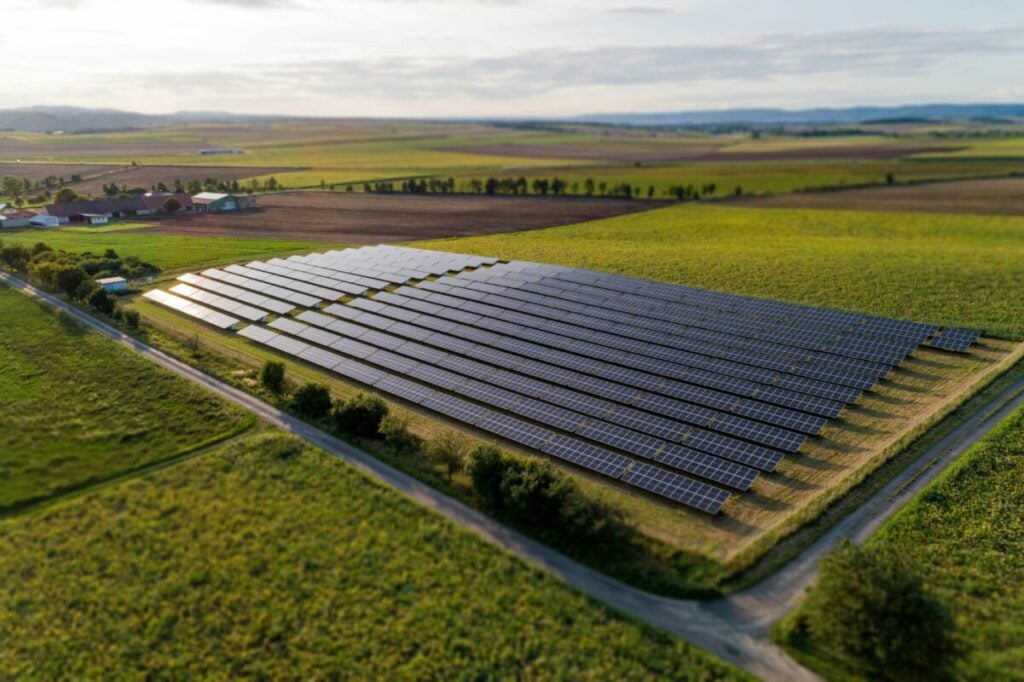
With solar making up 83% of growth as the proportion of electricity generated by renewables reached 34.3% globally, there is both great potential and increasing pressures on energy management. The duck curve, otherwise known as the net load curve, is often seen as part of this challenge, but I propose re-framing it.
Globally we are seeing renewable energy wasted due to mismanagement of supply and demand at peak times, which presents a golden opportunity through digitalisation and flexibility to optimise the grid and reduce costs for end users.
Try Premium for just $1
- Full premium access for the first month at only $1
- Converts to an annual rate after 30 days unless cancelled
- Cancel anytime during the trial period
Premium Benefits
- Expert industry analysis and interviews
- Digital access to PV Tech Power journal
- Exclusive event discounts
Or get the full Premium subscription right away
Or continue reading this article for free
So how is solar generation affecting the duck curve? The head and tail of the duck show us the morning and evening peaks, when typically more traditional sources of electricity are powering our lives. The belly of the duck is best described as the midday drop, which historically was a peak time of day for electricity consumption that is now predominantly powered through solar generation, causing demand on the grid to drop off.
Grid demand then ramps up again sharply in the evening, creating the neck of the duck as the sun sets, solar generation drops, but home appliance use spikes.
The duck curve itself isn’t a new phenomenon; however, it is being accentuated as a result of longer and hotter summers, making the belly drop lower and the neck increase even steeper. Extended daylight boosts solar output and rising temperatures drive up evening cooling demand. But organisations that learn to “ride” the curve can unlock new opportunities for profit and resilience.
How can AI transform the way energy, particularly solar, is managed?
The intersection between AI and energy is one of the most promising transformations of the next decade. Advanced forecasting tools powered by machine learning are already improving solar and demand predictions by over 30% in some regions, enabling grid operators to plan and balance resources more effectively.
While these are positives steps forward, they will not alone balance the ever-growing duck curve. This is why it is so important to diversify the approach and create other tools to help optimise and automate to reduce its impact.
Virtual power plants (VPPs) and smart controls are aggregating thousands of distributed assets—solar panels, batteries, HVAC systems—into flexible, responsive networks that can balance supply and demand in real time. This is a significant step forward that benefits all.
In the US, VPPs are connecting residential batteries to strengthen grid stability during evening peaks. Technologies such as Microgrid Advisors use predictive analytics, turning sites such as the Lippulaiva Citycon urban development in Finland into a prosumer of energy, with the ability to manage energy from consumption, to control and even production.
Is battery storage the only solution?
While battery storage is a key part of the solution, not only does it need to be rolled out quicker, but we also need more tools available to us to get on top of the duck curve challenge.
Over-reliance on one technology does not meet the increasing energy demands of the next-gen AI era, which requires us to be more agile, adaptable and deploy multiple solutions that work together. Demand response programs, enhanced by digital platforms, encourage businesses to shift electricity use into sunny hours when solar power is abundant and the grid is under less strain, or overnight when demand is typically much lower.
Encouraging maximum flexibility with timing on less-urgent tasks, such as EV charging, can reap huge rewards. If you’re running a fleet with lots of hours parked up, a midday charge or overnight charge will not negatively impact operations while reducing the grid’s burden at times of low renewables and high demand.
For example, in South Australia, our EcoStruxure microgrid advisors dynamically optimise solar, storage and backup generation, saving millions and cutting emissions. We believe different markets could benefit from following such examples to not only flatten the curve but also unlocks new revenue streams for organisations willing to be flexible.
What are the barriers holding back the full potential of solar-generated electricity?
While there is a lot of potential in solar generation, storage and digital flexibility, several key barriers must be overcome in order for businesses and grid operators to access the full benefits of these technologies.
Regulatory bottlenecks continue to slow down the pace of roll-out, preventing more businesses from benefitting from these digitalised, decentralised energy management technologies. Too many markets are still working within old regulations based on centralised, fossil-fuel-based generation because regulations have not matched the pace of technology change.
For example, in some US states, lengthy permission and interconnection processes can delay the deployment of new solar and storage projects by months or even years. The grid connection queue is also an obstacle in Europe, with a recent report finding that 72TWh of mainly renewable generation was curtailed due to bottlenecks, roughly equivalent to Austria’s annual electricity consumption. One quick fix could be implementing standardised interconnection rules and a fast-track approach to permitting to speed up grid modernisation.
The outdated regulations are reflected in the outdated infrastructure, with many markets facing increasingly aging grids. For example, it’s estimated that 40% of Europe’s grids are over 40 years old. Globally, the International Energy Agency (IEA) has called for grid investment to nearly double to over US$600 billion annually by 2030 in order to modernise transmission, distribution and storage systems to manage variability and prevent renewable curtailment.
Such large investment is needed due to the new demands of rapid fluctuations from solar and wind, and the two-way power flows grids now need to handle. Investments in digital grid technologies—such as advanced distribution management systems (ADMS), seen in practice by Schneider Electric’s work with Austin Energy—enables utilities to better manage distributed resources and respond to grid events in real time. Other solutions include Distributed Energy Resource Management Systems (DERMS), automated substations and real-time monitoring.
The legacy of these systems means that we are not leveraging the full potential of demand response and distribution storage. Markets where they are pushing the boundaries and exploring this value have seen really positive response, such as Germany and California. In those areas, progressive utilities have begun to offer dynamic pricing and flexibility markets, where organisations are compensated for shifting energy use or providing grid support. These programs are not yet widespread, which means there is lots of potential headroom in the market.
While flattening the duck curve presents challenges, its impact on today’s energy landscape is undeniable—and addressing it is key to increasing efficiencies, reducing cost and ultimately building resilience in electricity supply. As one of the most scalable and accessible renewable technologies, finding intelligent ways to store, manage and optimise solar generated electricity is central to flattening the duck curve. By harnessing solar energy alongside other innovative solutions, organisations can dramatically increase efficiencies, reduce costs and build long-term resilience in electricity supply.
Forward-thinking companies that act now to combine AI, renewable generation and electrification to optimise their operations will see the benefits, especially when future regulations come into place. Collaboration and partnership are more important than ever to ensure markets remain competitive and capitalise on the potential of the evolving intelligent energy landscape.