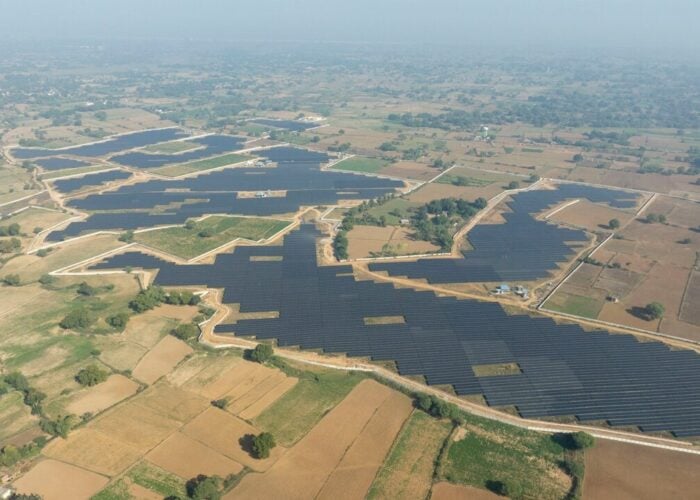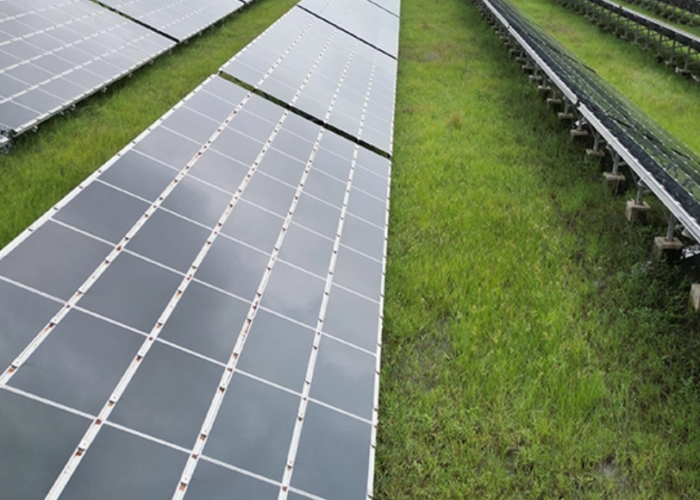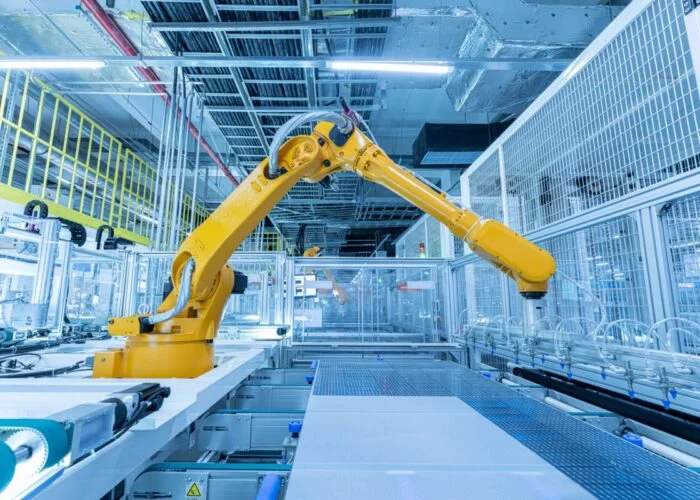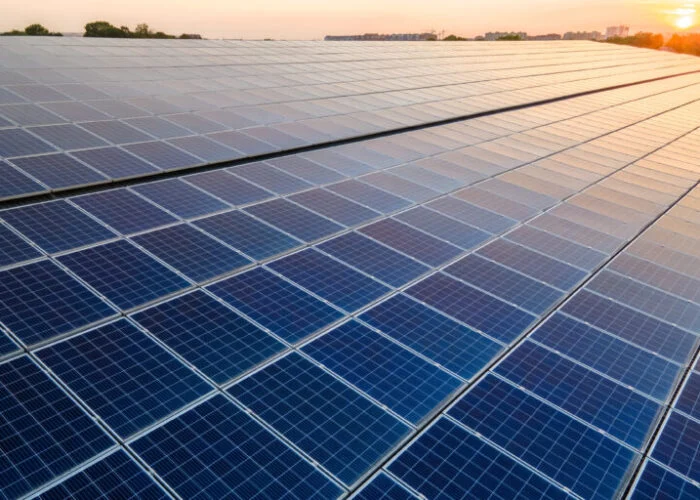
India will provide additional support for domestic solar equipment manufacturers to help meet the country’s soaring renewable energy generation capacity, Prime Minister Narendra Modi has said.
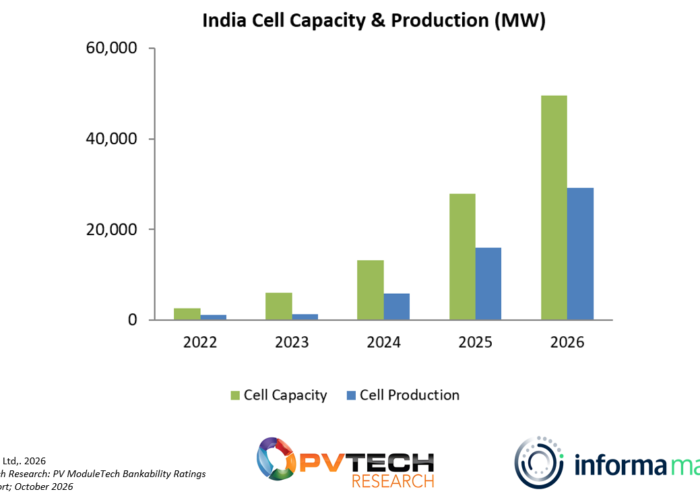
With demand for domestically manufactured solar cells and modules expected to be around 36GW over next three years, Modi said the government will offer production-linked incentives for high-efficiency solar modules as it aims to make India “a global manufacturing hub” in the renewables sector.
Try Premium for just $1
- Full premium access for the first month at only $1
- Converts to an annual rate after 30 days unless cancelled
- Cancel anytime during the trial period
Premium Benefits
- Expert industry analysis and interviews
- Digital access to PV Tech Power journal
- Exclusive event discounts
Or get the full Premium subscription right away
Or continue reading this article for free
Speaking at the RE-Invest 2020 conference, Modi yesterday announced that India’s green energy capacity will rise to 220GW by 2022, far higher than its 175GW target. Currently, renewables account for 36% of the country’s total capacity, at 136GW.
“There are huge renewable energy deployment plans for the next decade,” Modi said, adding that these are likely to draw an investment of around US$20 billion per year.
While no further details were given on the PV manufacturing support, the news follows the recent announcement that solar modules will form one of ten sectors included in a production-linked incentive scheme to help make domestic players more competitive internationally.
The package includes INR45 billion (US$603 million) of investment over five years to support the domestic development of high-efficiency PV modules as well as INR181 billion (US$2.42 billion) to boost the manufacture of advance chemistry cell batteries. The government said the initiative “will incentivise domestic and global players to build large-scale solar PV capacity in India”.
Modi said yesterday that ease of doing business is a “top priority” for the government as he called on foreign businesses and developers to invest in India. “We are showing to the world that sound environmental policies can also be sound economics,” he added.
As well as the new production-linked incentive scheme, other moves by India to boost its domestic PV manufacturing industry include an extension of its safeguard duty on solar equipment for another year as well as the creation of equipment production zones near major ports.
Meanwhile, reports suggested state-owned companies could be instructed to establish a polysilicon supply chain in the country, and the government is also considering a new basic customs duty on module and cell imports from China, initially set at 20% before rising to 40% on certain products next year.