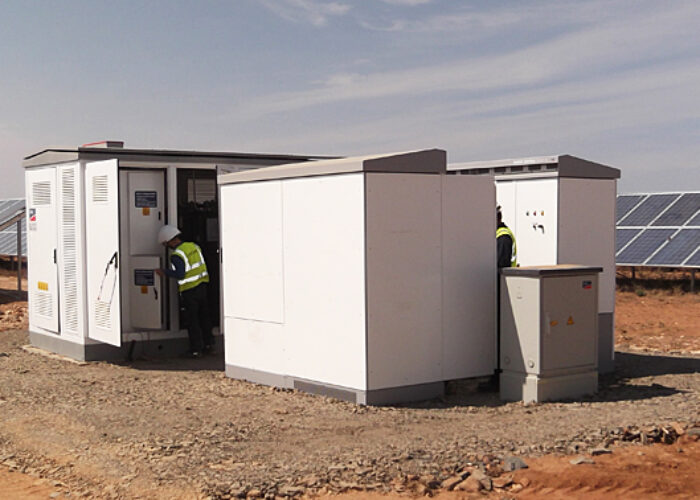
PV inverter manufacturer KACO new energy is changing its business focus to include only string inverters and energy storage products, after its acquisition of Energy Depot, selling its central inverter business subsidiary in South Korea to OCI Power. Financial details were not disclosed.
A series of issues that initially centered on the US Section 201 case, the US v China trade, China’s 531 New Deal and India’s trade tariffs, combined to slice around US$3 billion from the total global corporate funding into the solar sector in 2018, according to Mercom Capital Group.
Having acquired PV Evolution Labs (PVEL) in early 2014 by DNV GL the lab has become a separate legal entity again under the ownership of PVEL’s former founder, Jenya Meydbray.
Aventron signs EPC contracts with Solarpack for 100MW of post-subsidy solar in Spain, EBRD and FMO back 30MW solar plant in Ukraine, NTPC gets investment approval for 160MW of solar in Uttar Pradesh.
Solar Energy Corporation of India (SECI) has issued a request for selection (RfS) for 7.5GW of grid-connected solar PV projects, including implementation of power transmission and evacuation infrastructure, in the Leh and Kargil districts of Jammu & Kashmir state.
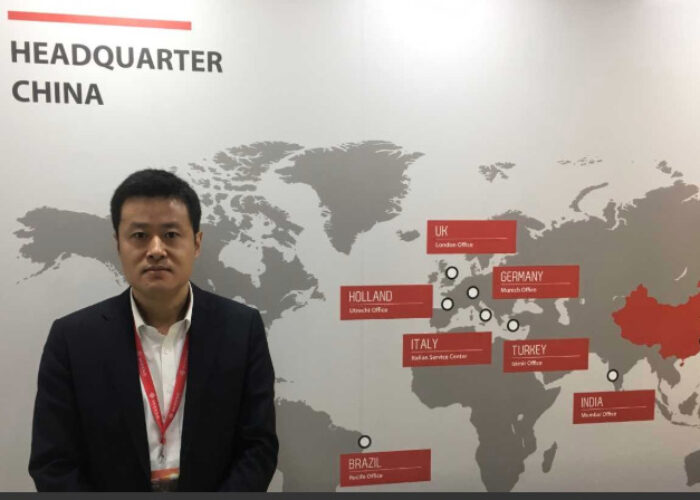
After disappointing beginnings, India's rooftop solar market is now thriving with 75% year-on-year growth. PV Tech caught up with Ron Shen, vice president, international sales and service centre at China-based PV inverter supplier GoodWe, to discuss knock-on effects of safeguard duties on modules, price pressure and market growth.
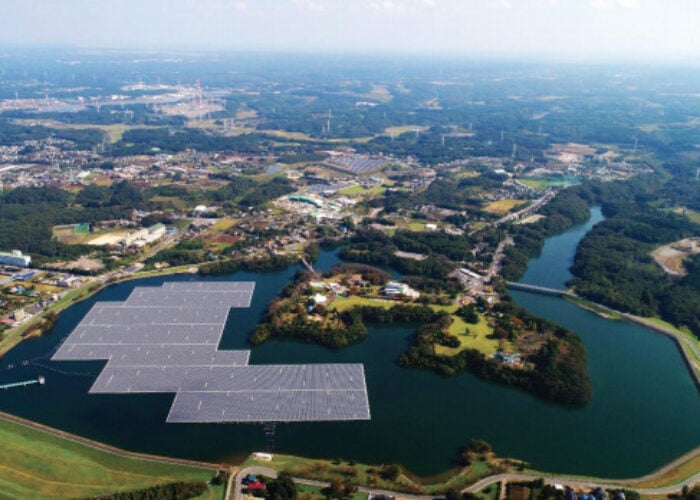
French floating solar specialist Ciel & Terre is planning to further develop its floating solar platform systems to withstand more extreme conditions through a collaboration with Principia, a company that has a technical background in the offshore renewable energy industry.
PV Tech looks behind last week's Indian government announcement that it would issue a 7.5GW solar tender in the high altitude mountain desert region of Ladakh.
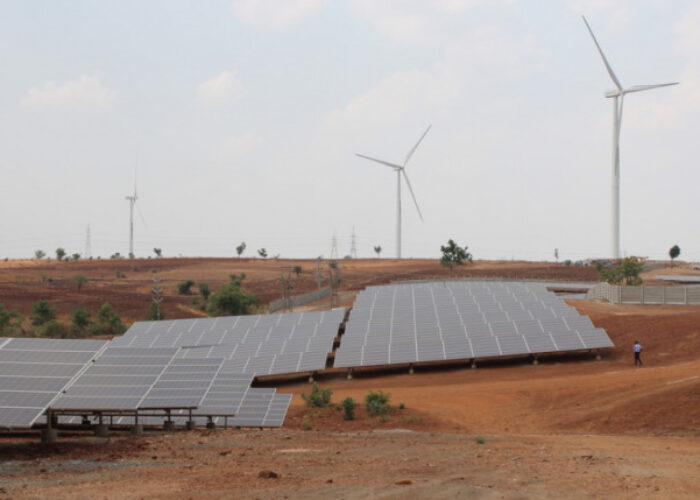
UPDATED: Solar Energy Corporation of India (SECI) has gone ahead with an auction for its 1.2GW hybrid tender, despite the tender being undersubscribed and attracting just two technical bids.
Major PV inverter manufacturer SMA Solar Technology has lowered both its revenue and profit forecast again for 2018, citing continued ‘strong pricing pressure’ through November.