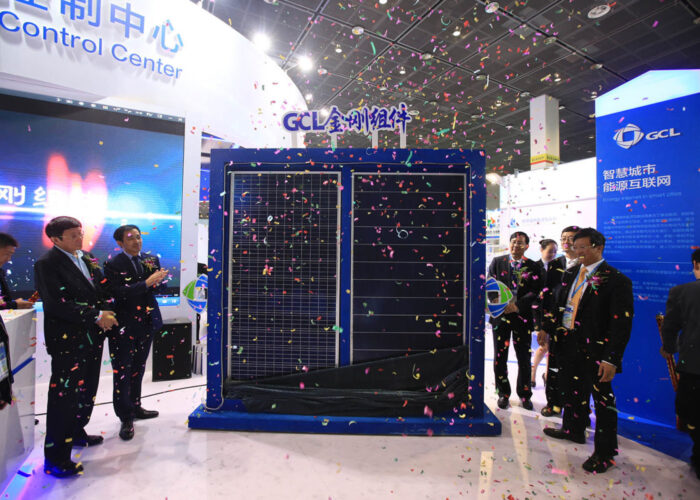
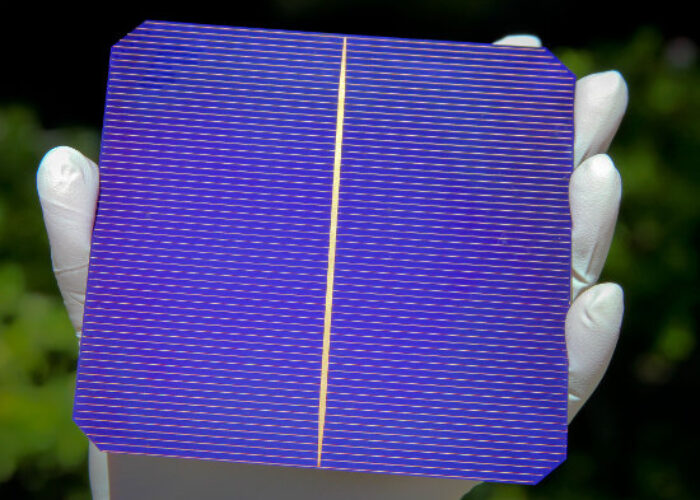
US-based solar module technology firm Solaria Corporation has filed suit against GCL Solar Energy, Inc., a subsidiary of GCL-Poly Energy Holdings due to claims of IP theft and breaches of Non-Disclosure Agreements that resulted in the GCL producing PV modules using its proprietary technology that is protected by over 100 patents.
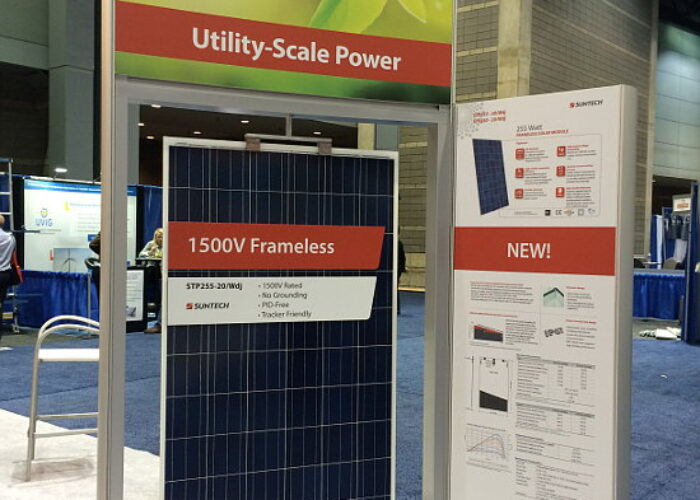
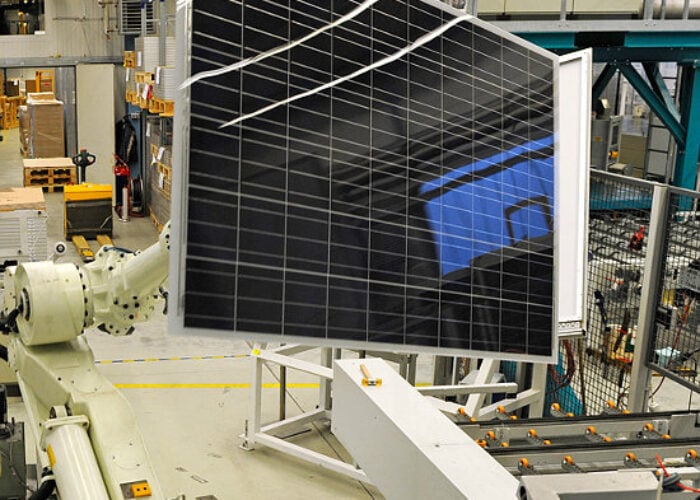
Wuxi Suntech, the PV module manufacturing arm of renewable energy group, Shunfeng International Clean Energy (SFCE) has secured insurance from Munich Re to support its 25-year module warranty scheme.
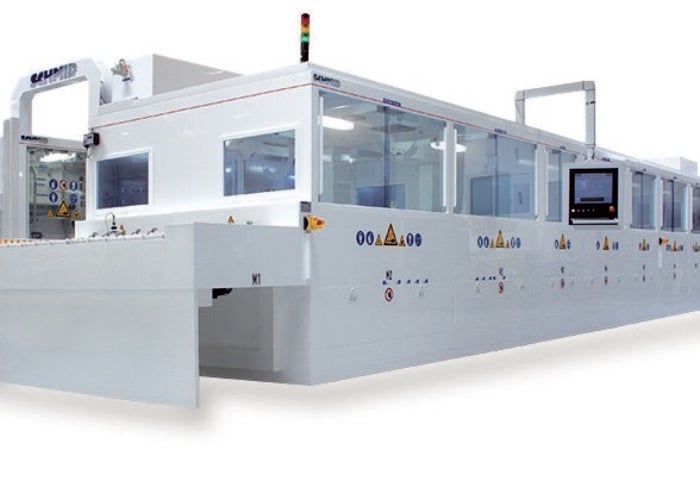
SCHMID Group is offering its ‘Inline System’ for alkaline texturing that provides a lower cost option for PERC (Passivated Emitter Rear Contact) cell architectures that reduces the consumption of chemicals.
Cogenra Solar, a subsidiary of US-based high-efficiency module manufacturer SunPower, has filed a lawsuit against SolarCity over claims of IP (Intellectual Property) theft and infringement over its direct solar cell to cell contact technology that is often described as an overlapping shingle-like pattern.
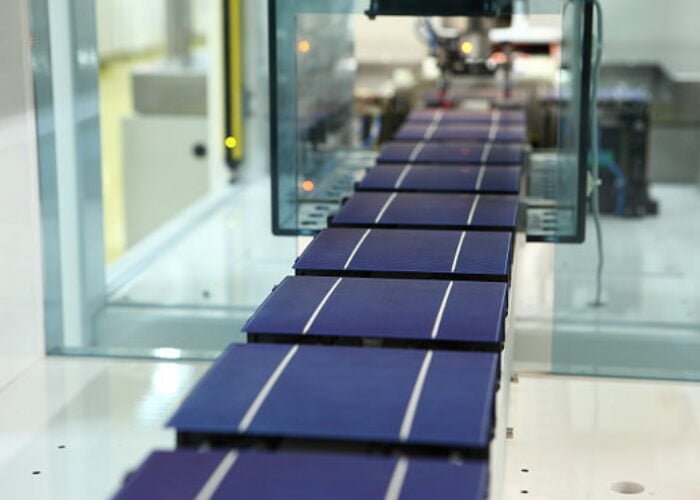
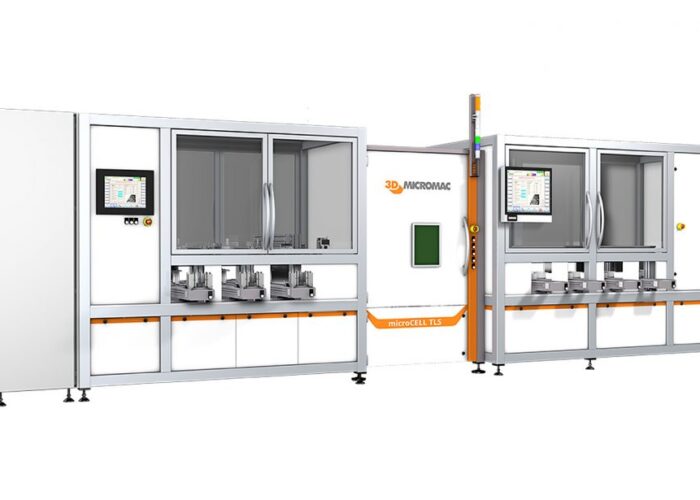
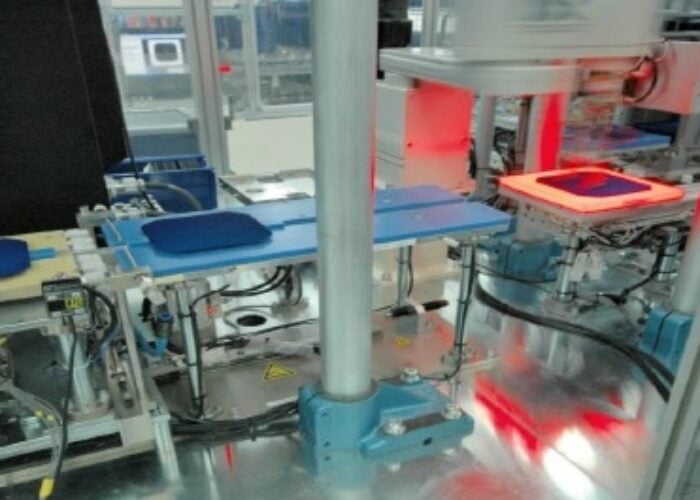
3D-Micromac’s ‘microCELL’ TLS is a highly productive laser system for separation of standard silicon solar cells into half cells. The microCELL TLS meets cell manufacturers demands for retaining the mechanical strength of the cut cells.
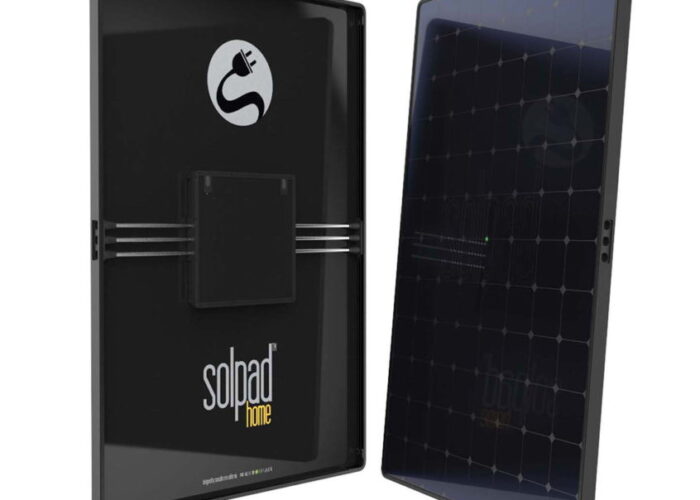
A US-based start-up SunCulture Solar Inc. has come out of stealth mode and launched a potentially game-changing fully-integrated residential and off-grid solar system. ‘SolPad’ Home combines multiple patented technologies into a single device, including breakthrough solid-state battery technology, an innovative inverter system and intelligent software to enable real ‘plug and play.’ This is the only PV system in existence that provides complete integration of energy storage, management and high-efficiency solar cells.
The solar centric political campaigning group EU ProSun, established by integrated PV module manufacturer, SolarWorld, has condemned China and Chinese module manufacturers for causing SolarWorld to make 500 ‘temporary’ workers at its manufacturing plants in Germany, redundant.
High-efficiency PV module producer and project developer SunPower is to take over its joint venture (JV) solar cell manufacturing operations in Malaysia from Taiwan-based partner AUO, a subsidiary of AU Optronics Corporation at a cost of US$170 million, payable over the next four years.
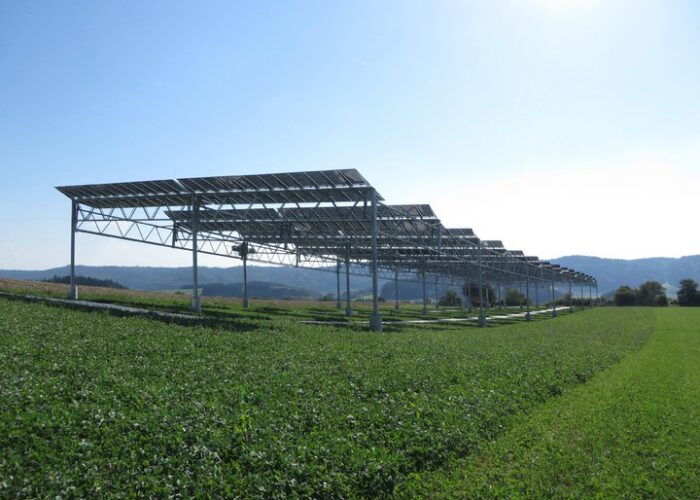
Fraunhofer ISE said it was spearheading the largest research project (APV-Resola) in Germany to establish whether the dual use of land for the production of electricity using photovoltaic (PV) modules can be commercially viable with a range of crops grown on the same land.