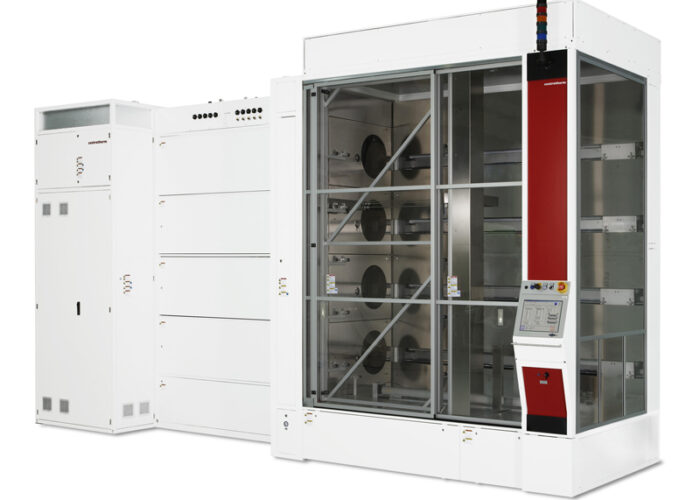
PV and polysilicon manufacturing equipment specialist centrotherm photovoltaics has reported first half 2016 consolidated revenue of €61.9 million and an order intake for the period of €89.5 million.
High-efficiency PV module producer and project developer SunPower said it was reducing its focus in PV power plant development outside the US and focusing more resources to the distributed generation market in the US.
Taiwan-based solar cell and wafer producers are being impacted by slowing demand from China and unfolding overcapacity that has resulted in ASP declines hitting monthly revenue figures since June.
Chinese solar cell and module manufacturer Hareon Solar Technology is bouncing back after its US$90 million lawsuit last year with new investment in its PV business and a new partnership.
Specialist PV manufacturing equipment supplier Amtech Systems backed-up previous quarters order bookings with solar equipment sales in its third fiscal quarter of 2016, reaching US$19 million.
In this week's Movers & Shakers segment, PV Tech focuses on employment shakeups in the US, Europe and Asia as key renewables companies reveal some hires and departures from the last fortnight.
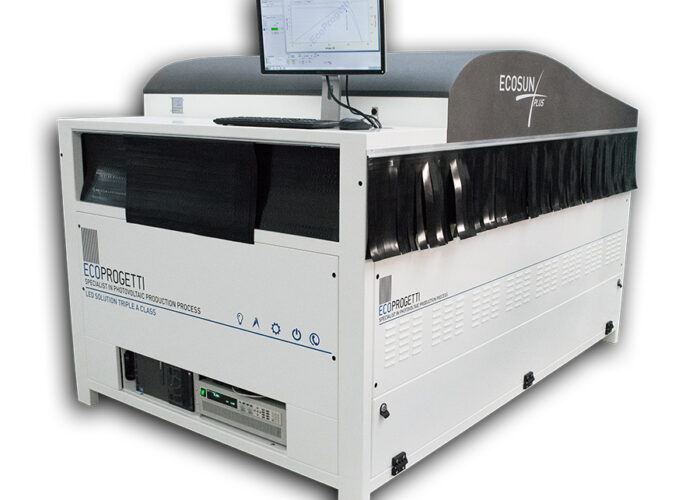
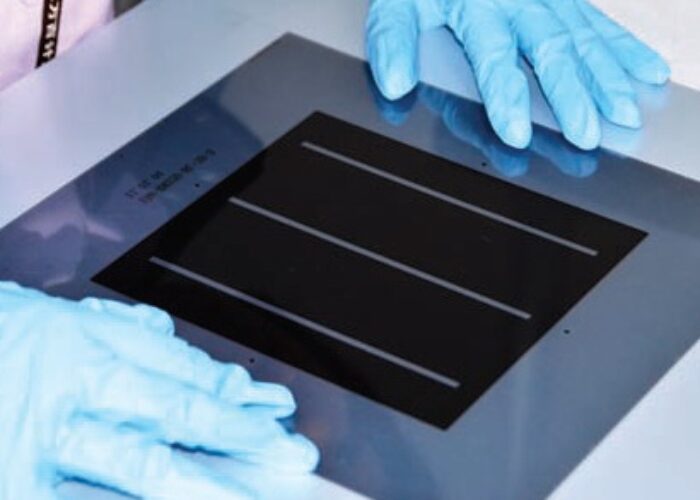
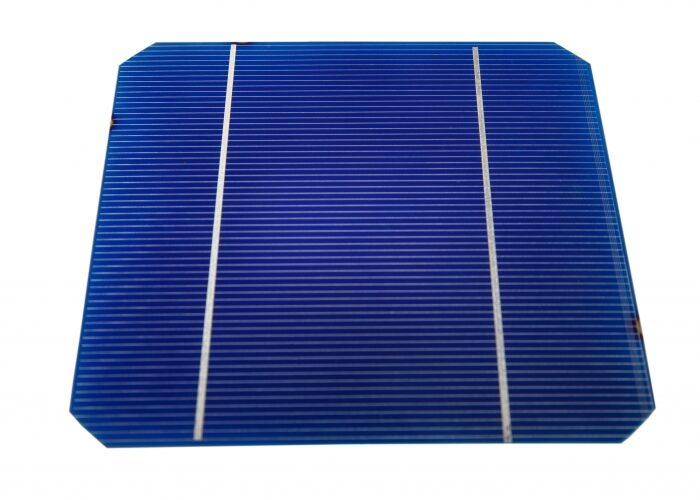
Ecoprogetti has launched its latest innovative sun simulator with LED technology in A+A+A+ Class certified and verified by TÜV. The newest levels in A+A+A+ of uniformity, stability and repeatability are the most advanced available in the market, according to the company. Ecosun Plus is the solution for precise and reliable I-V Curve tests of both standard PV modules and mainly for testing all new high efficiency cells technology in PV modules.
PV Tech’s preliminary analysis of global PV manufacturing capacity expansion announcements in June, clearly demonstrate a significant slowdown in recent months.
China-based major EPC firm TBEA Sunoasis has signed a memorandum of understanding (MOU) with two Egyptian government agencies to build two 500MW PV power plants in the country.
PV Nano Cell has commercially developed ‘Sicrys’, a single-crystal, nanometric silver conductive ink delivering enhanced performance for digital conductive printing in mass production applications. The inks are also available in copper-based form, delivering all of the product’s properties and advantages with improved cost efficiency.