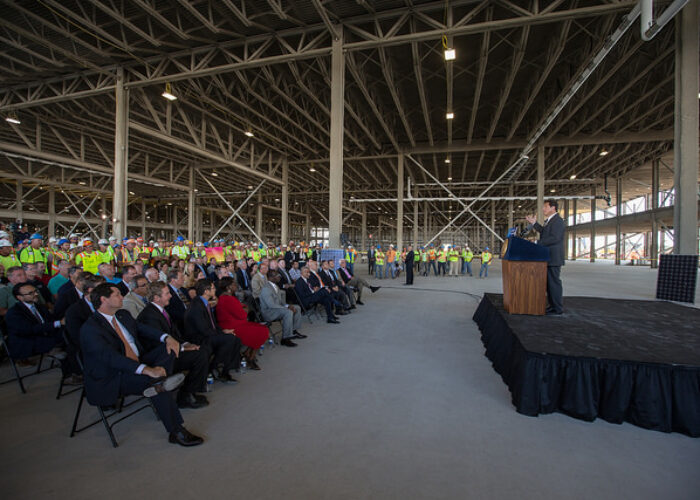
In February, 2016 SolarCity, the largest residential solar PV installer in the US said in its fourth quarter 2015 earnings call that its ambitious 1GW Buffalo Riverbend manufacturing facility had been impacted by longer than expected equipment lead times, pushing some equipment installs into the second-half of 2016.
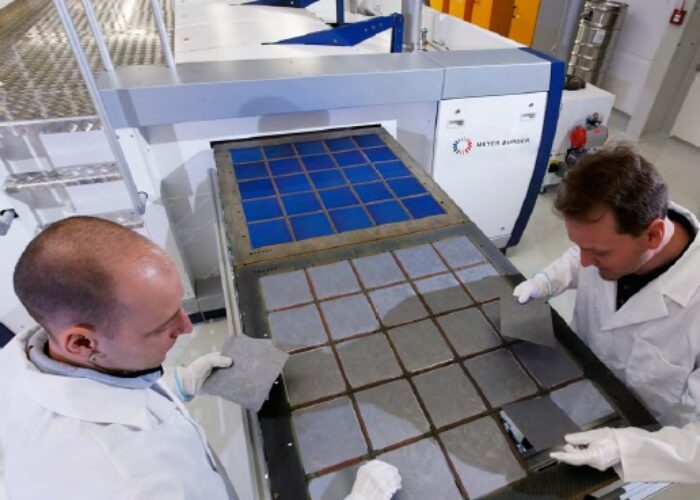
Leading PV manufacturing equipment supplier Meyer Burger has received a major PERC (Passivated Emitter Rear Cell) upgrade order from ‘Silicon Module Super League’ (SMSL) member JA Solar.
SolarCity’s request that its Silevo modules be excluded from the scope of the US trade case against Chinese products has been rejected in a preliminary ruling made on Monday.
This article reveals the most important PV manufacturers and suppliers to the solar industry in 2016. The new analysis and methodology explains exactly which companies are currently controlling, shaping and influencing all metrics related to upstream manufacturing trends and final end-market module shipments.
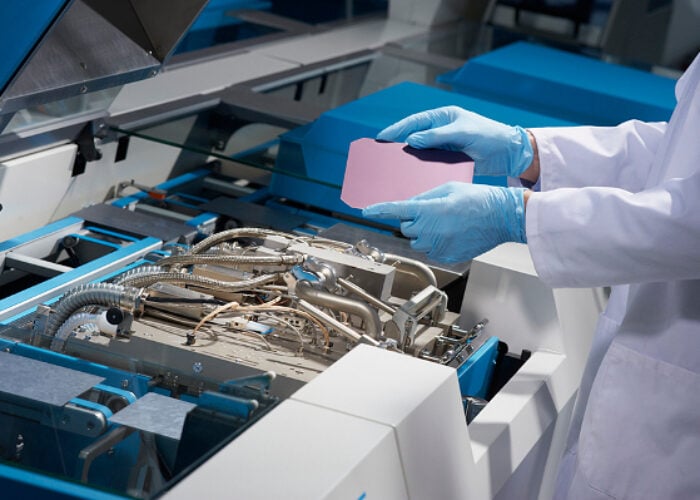
Atomic layer deposition (ALD) equipment specialist SoLayTec, a subsidiary of Amtech Systems has received a number of new tool orders from a range of customers planning p-type PERC, n-type IBC and bi-facial solar cell production in 2016.
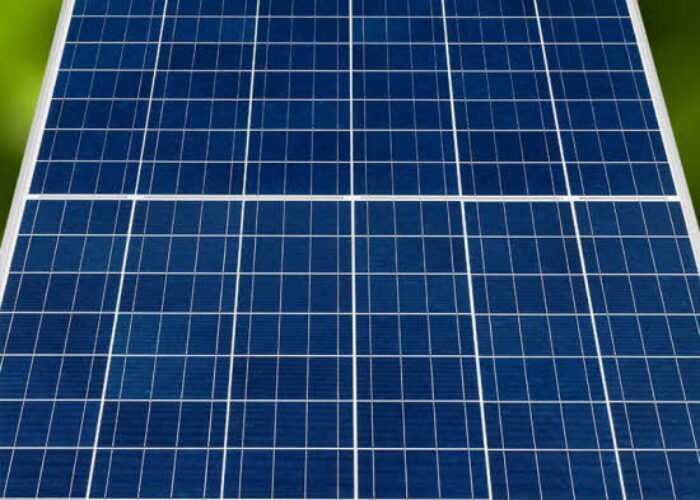
Integrated PV module manufacturer REC Solar has said that it would migrate all production at its manufacturing facility in Tuas, Singapore to its half-cut PERC cell technology, used for its ‘TwinPeak’ series modules.
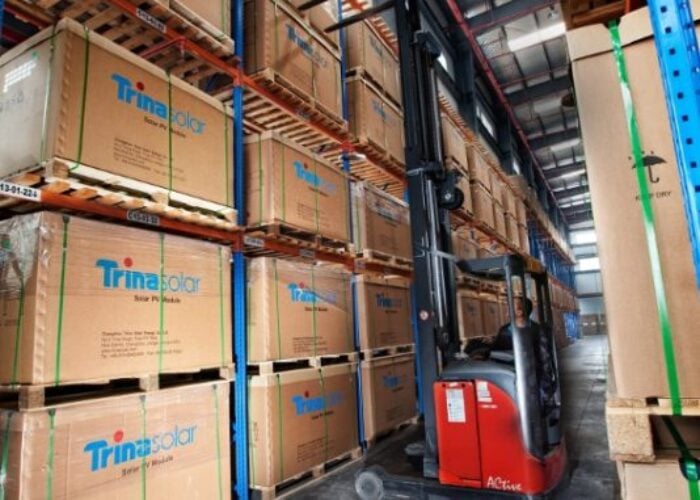
Leading ‘Silicon Module Super League’ (SMSL) member Trina Solar has officially started ramping its solar cell and module assembly plant in Rayong, Thailand, meeting every milestone on schedule, from groundbreaking to production, according to the company.
Integrated China-based monocrystalline PV producer, Solargiga Energy Holdings as expected from preliminary announcements, reported only a small increase in revenue for 2015, however the company returned to a small net profit, compared to a net loss in 2014.
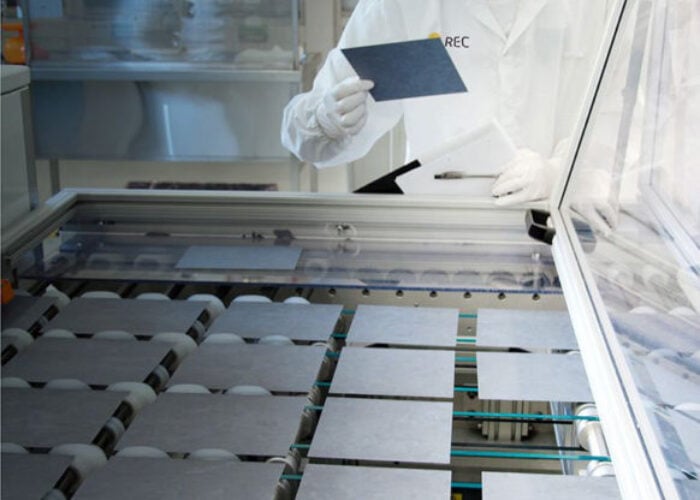
Integrated PV manufacturer REC Solar is to invest a total of $200 million Singapore dollars (US$182.3 million) in expanding and upgrading production at its facilities in Singapore. The company also plans to invest a further US$50 million in R&D activities at the Solar Energy Research Institute of Singapore (SERIS), with emphasis on a type of PV module.
According to SolarWorld’s 186-page annual report for 2015, and a presentation by Dr. Holger Neuhaus, Managing Director, SolarWorld Innovations GmbH at the inaugural PV CellTech conference held in Malaysia last week, high-efficiency products will be the key focus of its expanded manufacturing capacity and technology migrations in 2016.