In an unexpected development of the planned merger of Tesla and SolarCity, the electric car manufacturer has said that it had tentatively agreed with Japanese electronics firm, Panasonic to begin solar cell and module production at SolarCity’s Riverbend production plant in Buffalo, New York state in 2017.
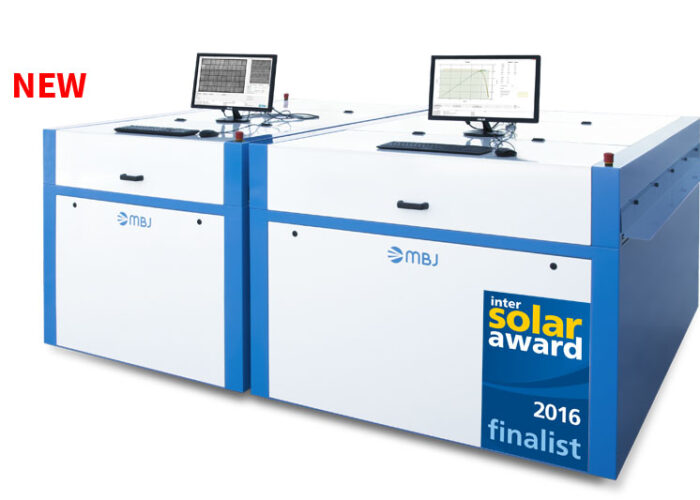
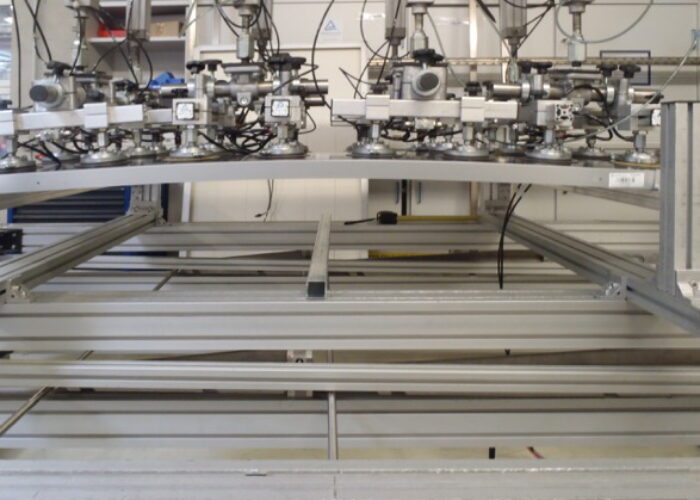
MBJ Solutions has introduced a new integrated ‘backend’ module testing system to provide greater production line operability for PV manufacturers. The MBJ backend solution combines the most important inspection tasks in one compact system: an A+A+A LED sun simulator, a hipot and grounding test and our proven EL inspection technology. All the inspection steps are performed sunny side down, which makes the integration into a production much easier than before.
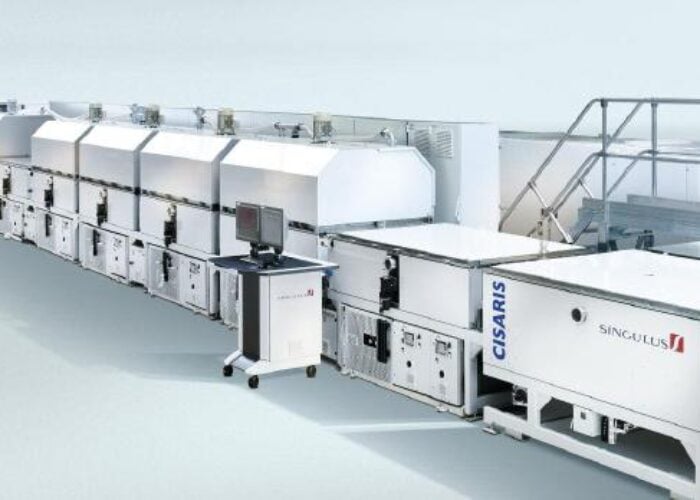
Specialist PV manufacturing equipment supplier Singulus Technologies said it had issued new shares valued at around €8 million to provide liquidity for supplying CIGS thin-film production equipment orders and the development of heterojunction (HJ) solar cell processing tools after securing an (MOU) with Golden Concord Holdings, majority share holder in GCL-Poly and GCL System.
On the day I left Taiwan after a busy week meeting with PV suppliers up and down the supply chain in May, 2016 that was organised by the Taiwan External Trade Development Council (TAITRA) the country elected its first female president, Tsai Ing-wen.
The entire solar PV upstream value-chain, including equipment and materials suppliers, is set for drastic changes during 2017, ushered in by a perfect storm of events that has impacted on the industry within a space of 2-3 months, according to the latest release of the PV Manufacturing & Technology Quarterly report from the research team of PV-Tech’s parent owner Solar Media, Ltd.
PV manufacturer Astronergy Solarmodule GmbH, a subsidiary of China-based producer, Astronergy and part of Chint Group said it would start production of modules using the latest generation of PERC (Passivated Emitter Rear Contact) cells with monocrystalline wafers to produce high-efficiency ‘all black’ modules in the 295 to 310 Watt peak (Wp) power classes.
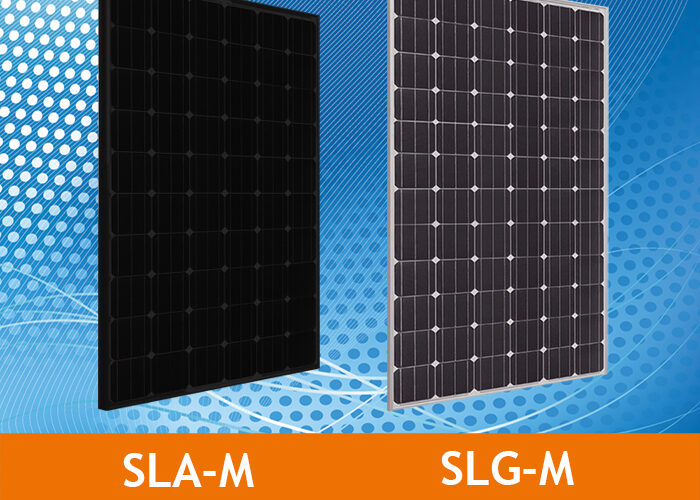
Canada-based PV module manufacturer Silfab Solar said it would be supplying US installer, Auric Solar with 15MW of its recently launched 300Wp all-black monocrystalline modules for residential and commercial projects in Utah and Idaho through US distributor, Russell Pacific.
Integrated PV module manufacturer REC Group said total module shipments in the second quarter of 2016 reached 326MW, bringing first half year shipments to 640MW and a 4% quarter-on-quarter increase.
Key Taiwan-based wafer producers Green Energy Technology (GET), Sino-American Silicon (SAS) and Danen Technology delivered mixed sales results for September, 2016, yet the underlining trend remained weak demand and ASP pressures.