Australian energy company Global Energy Venture (GEV) is to develop a 2.8GW green hydrogen project on the Australian Tiwi Islands, with a planned generation capacity upwards of 100,000 tonnes per year.
This week’s edition of PV Price Watch, available exclusively to PV Tech Premium subscribers, analyses what the solar industry’s polysilicon price ceiling is currently and where it could decline to into next year. Exclusive to PV Tech Premium users.
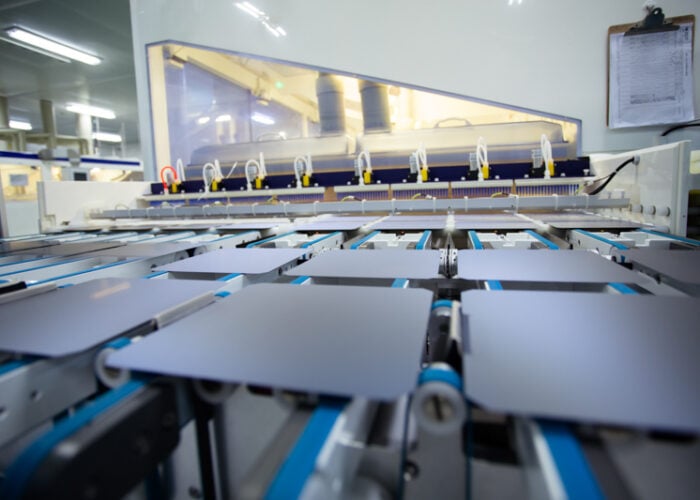
Polysilicon producer Daqo New Energy posted record company profits in Q3 2021 as the company rode a wave of polysilicon price hikes, but warned of a challenging environment for future capacity expansions.
The US International Trade Commission (ITC) has ruled in favour of US solar manufacturer Solaria in an initial ruling related to alleged patent infringement by Canadian Solar.
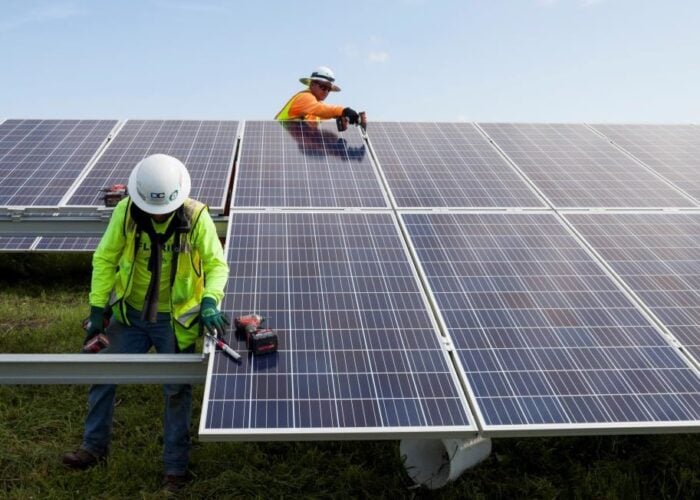
More than half of utility-scale solar projects planned for next year could be at risk of delay or cancellation as a result of surging materials and logistics cost, new analysis has claimed.
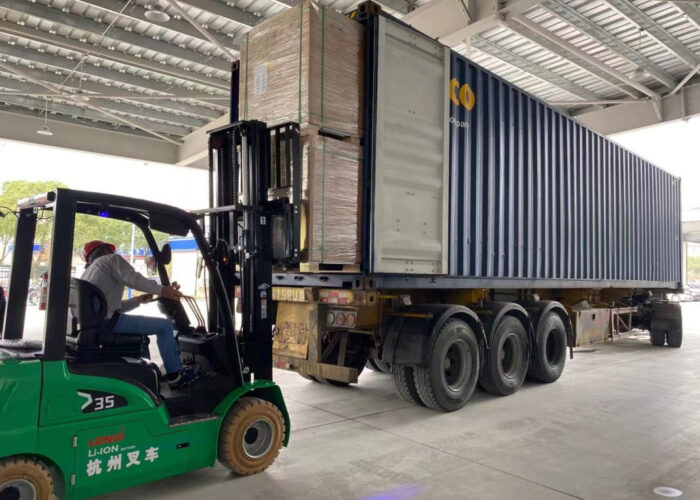
As prices rise and component availability remains tight, both solar’s upstream and downstream are rallying behind the common cause of ensuring which projects can go ahead, do go ahead in a timely fashion. Liam Stoker assesses the industry’s efforts to keep the supply chain moving forward.
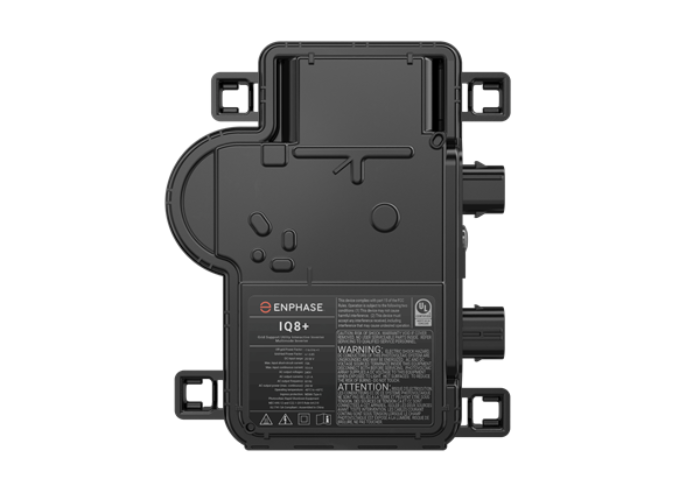
Microinverter supplier Enphase Energy reported record quarterly revenue in Q3 2021 but stressed the importance of price increases to help offset price volatility in its supply chain.
Global renewables industries are expectant as COP26 looms, however supply chain volatility has continued to dent deployment prospects going into a crucial decade. We discuss this and much more in this month's Solar Media Podcast.
The US Department of Energy (DOE) is to fund projects aiming to extend the operational lifetime of solar PV projects to 50 years and support the development of advanced materials such as perovskites.