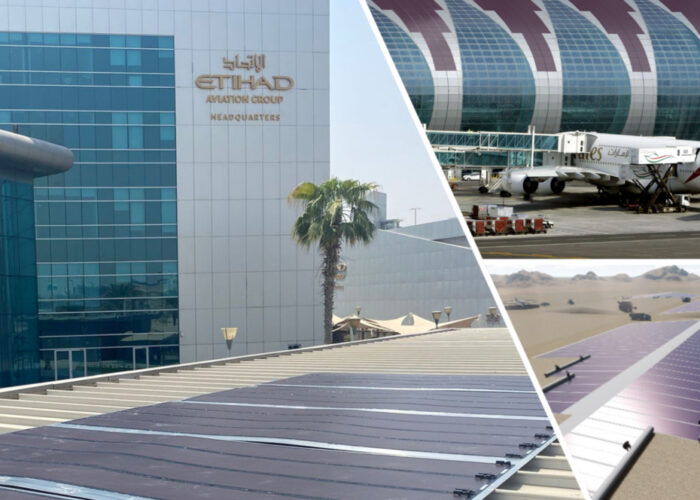
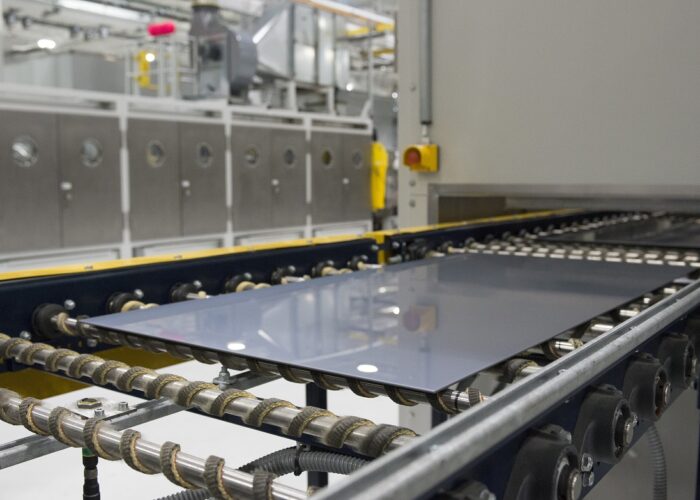
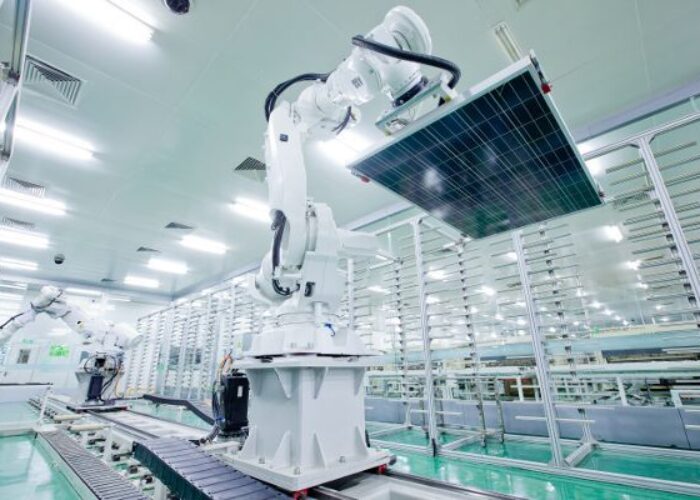
Dutch thin film manufacturer HyET Solar has received backing from Australian green hydrogen producer Fortescue Future Industries (FFI) and Dutch investment fund Teslin Participaties that will help in the construction of its solar PV factory.
A breakdown of leading US solar installer Sunrun's financial results for Q1 2022 when it added 29,463 customers, with management now expecting installed solar capacity to be 25% or greater for the full year 2022.
Following the launch of its heterojunction module series in April, Carrie Xiao speaks to Risen Energy to get the inside track on the manufacturer’s technology approach and manufacturing plans as it backs HJT to deliver n-type efficiencies on a PERC budget
Last week saw yet another price increase from some of the solar industry’s largest manufacturers, continuing a trend that has placed some of the sector’s largest providers under heightened margin pressure and PV project developers the world over under strain.
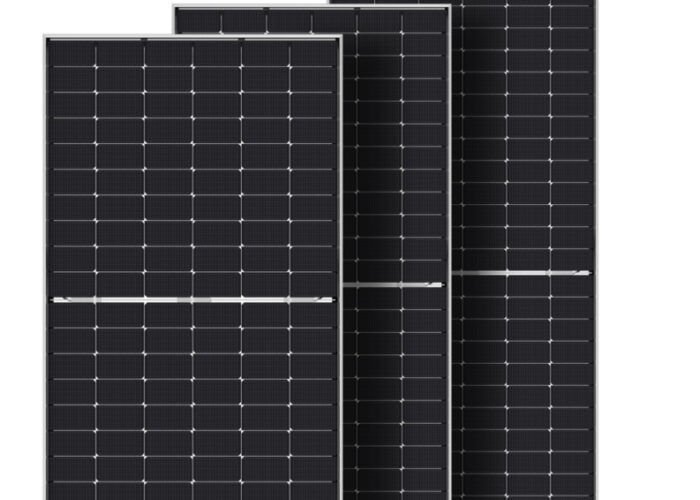
JinkoSolar’s Tiger Neo 78HL4-BDV N-type module, built on a 182mm M10 monocrystalline silicon wafer, is based on Tunnel Oxide Passivated Contact (TOPCon) technology. The TOPCon cell applies cutting-edge and high-efficiency passivation contact technology and uses an ultra-thin tunneling oxide layer.
US thin-film manufacturer First Solar recorded a US$43.3 million loss in its Q1 2022 mostly caused by a drop in sales, with the company expecting a “challenging 2022 from an earning standpoint” given ongoing supply chain constraints.
Last week was results season for solar manufacturers in China, with much of the industry’s upstream confirming both their annual reports for 2021 and performance in the opening quarter of 2022. PV Tech’s Carrie Xiao discusses some of the key trends emerging from their annual reports.
Solar Energy Industries Association (SEIA) has slashed its US solar installation forecasts by 24GW over the next two years following the US government’s decision to investigate the circumvention of duties in Southeast Asia, claiming 100,000 solar jobs will be lost as a result.
Heterojunction cell and module manufacturer Meyer Burger has started development of a new module facility with an additional 400MW in Germany to cater for European demand.
JinkoSolar has increased its PV manufacturing capacity expansion plans for 2022 once again in spite of margin pressure affecting its bottom line, citing accelerating demand in Europe and beyond.