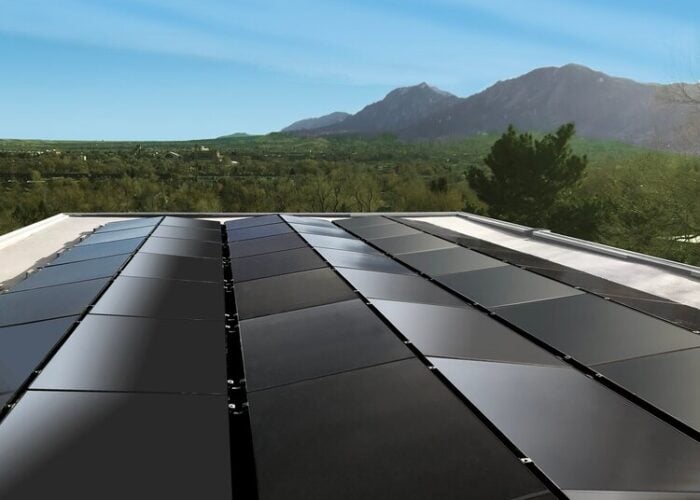
US solar manufacturers behind the controversial anti-circumvention petition have said they are “evaluating all options” and could refile petitions in the future.
India’s government is set to scale up funding for its production-linked incentive (PLI) programme for solar manufacturing as it eyes exports of PV equipment.
German conglomerate BayWa AG has witnessed “flourishing” sales of solar PV components take its renewables segment to new heights in the first nine months of 2021.
Module pricing volatility is set to remain until at least Q2 2022, with numerous developers and distributors telling PV Tech Premium that prices are expected to remain as high as US$0.32c/W in the near term at least.
The US Department of Commerce has rejected a petition calling for an extension of anti-dumping and countervailing duties (AD/CVD) across Southeast Asia, citing the ongoing anonymity of the petitioners.
First Solar is actively exploring future capacity manufacturing locations after recording a surge in demand, both domestically and internationally, amidst supply chain obstacles impacting the PV industry.
In this exclusive video from PV Tech publisher Solar Media’s Solar & Storage Finance USA event last month, a panel of supply chain experts discuss immediate challenges and potential remedies to the situation.
The US International Trade Commission (ITC) has ruled in favour of US solar manufacturer Solaria in an initial ruling related to alleged patent infringement by Canadian Solar.