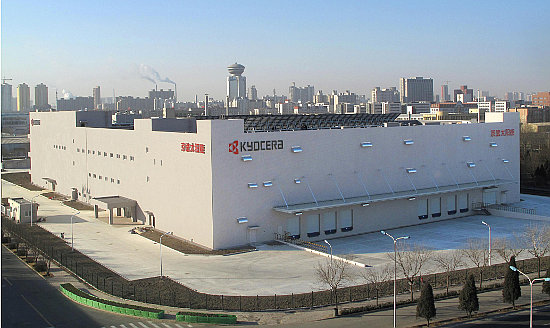
Kyocera Corporation a multinational electronics and related components manufacturer has made a significant US$459 million impairment charge on long-term polysilicon supply contracts, as well as downsizing its solar operations in the US, which were the primary reason for its Life & Environment Group (solar PV included) reporting a large operating loss in fiscal 2018.
Kyocera noted in recently reporting fiscal 2018 full-year results that it’s Life & Environment Group reporting an operating loss of around US$482 million, due to a US$459 million impairment charge on long-term polysilicon supply contracts. Kyocera had changed the classification of its reporting segments from the year ended March 31, 2018.
Try Premium for just $1
- Full premium access for the first month at only $1
- Converts to an annual rate after 30 days unless cancelled
- Cancel anytime during the trial period
Premium Benefits
- Expert industry analysis and interviews
- Digital access to PV Tech Power journal
- Exclusive event discounts
Or get the full Premium subscription right away
Or continue reading this article for free
Kyocera also reported a revenue decline in its Life & Environment Group, due to downsizing of its solar energy business in the United States and lower sales in its key solar energy market of Japan.
Life & Environment Group sales were around US$1.12 billion in FY 2018, down 24.8% from the previous year.
Kyoera expects the Life & Environment Group sales to decline slightly in FY 2019, which was forecasted to be around US$1.01 billion, or a 1.1% decline.
Struggling major China-based PV manufacturer, Yingli Green Energy has recently been forced into arbitration at the London Court of International Arbitration (LCIA) by a major polysilicon producer over a long-term ‘take or pay’ supply contract with damages claimed to be US$897.5 million.
Former solar cell manufacturer such as German headquartered Q Cells AG went into bankruptcy in April, 2012, primarily over ‘take or pay’ polysilicon contracts.
More recently, SolarWorld AG had been ordered to pay US-based polysilicon producer, Hemlock Semiconductor damages amounting US$793 million plus costs and interest for not complying with a long-term take or pay contract in May, 2016. The company filed insolvency proceedings without reaching an agreement through mediation in May 2017.