Weather-resistant PV rooftop modules will be put to the test under a new three-year project, subsidised by one of Denmark’s innovation programmes.
The PV Rock Roof initiative has secured DKK8.3 million (around US$1.26 million) funding to test the feasibility of glueing modules directly on to rooftop insulation layers.
Try Premium for just $1
- Full premium access for the first month at only $1
- Converts to an annual rate after 30 days unless cancelled
- Cancel anytime during the trial period
Premium Benefits
- Expert industry analysis and interviews
- Digital access to PV Tech Power journal
- Exclusive event discounts
Or get the full Premium subscription right away
Or continue reading this article for free
Contacted by PV Tech, a spokesperson from the Danish Energy Agency said the scheme will trial coloured PV modules Dansk Solenergi has developed “without major impacts” on performance.
The goal, the spokesperson added, is now to refine and verify the potential and ensure the modules remain a cost-effective, aesthetical and energy-saving solution for rooftops.
Research will be carried out into materials and methods for the cost-effective thermal insulation of large roof areas, as well as into translucent coloured layers able to replace conventional methods.
The programme will also help prepare the safety and green certification of an eventual system, and conclude with a full-scale demonstration of the glued modules on a rooftop.
PV Rock Roof will run between October 2019 and October 2022. Its funding comes from Denmark’s EUDP innovation programme, which awarded DKK182 million (US$27 million) in its last round.
The innovation push comes as PV voices urge Europe to fuel decarbonisation by covering entire buildings with self-styled solar skins, lessening the need for expensive grid upgrades.
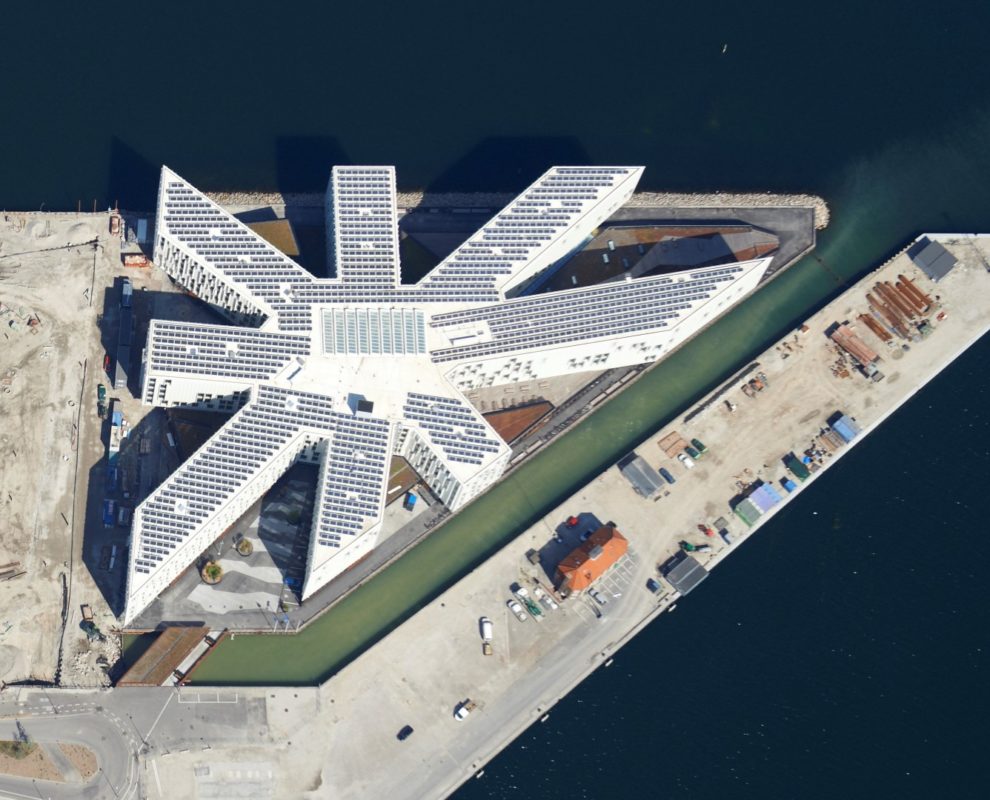
Dansk Solenergi is among those in Europe active in the building-integrated PV segment. Its rooftop milestones to date include a 355KW installation atop the UN’s Copenhagen offices.
The firm produces its own HEM modules at a factory in Denmark, which manufactures 4“, 5“, 6“ or 7“mono or polycrystalline cells embedded in transparent ethylene-vinyl-acetate.
See here for more background on all projects subsidised under the latest EUDP round