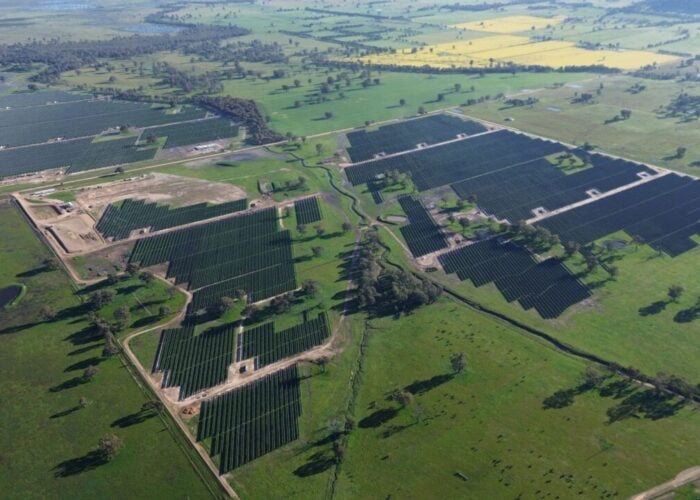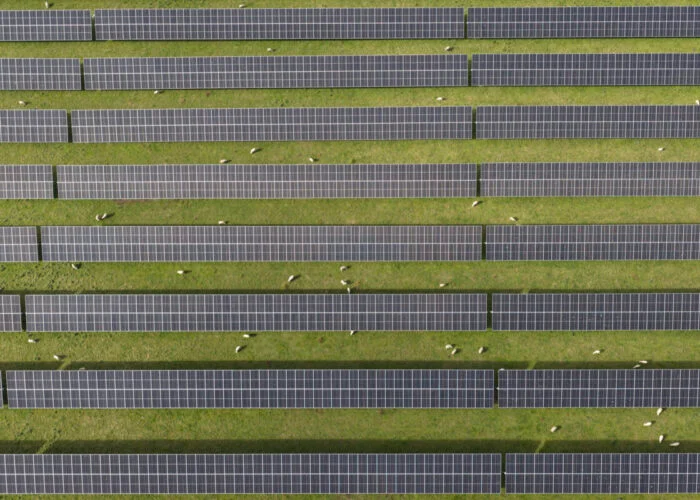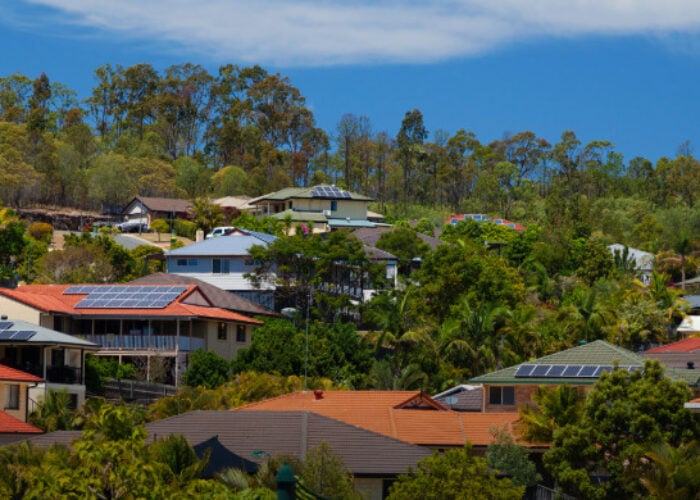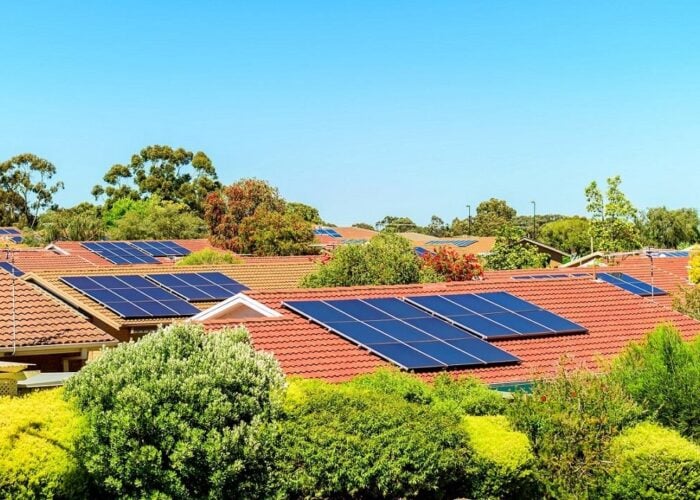
Network operators in the Netherlands have struck an agreement with the country’s solar sector to speed-up grid connections for solar projects.
Under the terms of the deal, enshrined within a legal covenant, solar operators will agree to solar export limits of 70% of any given project’s peak generation capacity, a measure which grid operators said would allow for grid connection times to be slashed.
Try Premium for just $1
- Full premium access for the first month at only $1
- Converts to an annual rate after 30 days unless cancelled
- Cancel anytime during the trial period
Premium Benefits
- Expert industry analysis and interviews
- Digital access to PV Tech Power journal
- Exclusive event discounts
Or get the full Premium subscription right away
Or continue reading this article for free
Trade body Holland Solar said the agreement would allow for solar to generate more efficiently and more affordably on the Dutch grid, adding that an influx of large solar projects in the Netherlands in recent years had resulted in various costly network upgrades to be required.
While those upgrades take place, solar – and other energy generation projects – are left waiting to connect to the grid, and the implementation of a 70% cap on exports is considered to reduce the need for those upgrades.
While grid connection agreements must be made at a project’s maximum peak generation capacity to ensure grid stability, Holland Solar stated that solar projects only produce more than 70% of that peak capacity for around 3% of the time. In capping exports to 70% of a project’s peak capacity, it’s aimed that more ‘space’ on grids will be identified and used to approve the connection of more solar.
Network operators have too agreed to provide more insight into particular areas of the grid which are more constrained, identifying where bottlenecks may be arising.
Meanwhile, Holland Solar’s members have also agreed to an amendment which states that all grid connection agreements are signed for a minimum of 20 years to ensure any investment in grid upgrades is justified.
In addition to the agreement, all parties involved have expressed their desire to see a separate category within the Netherlands’ SDE++ subsidy programme to provide additional support for renewables projects which “flatten the curve” of generation, such as those featuring energy storage applications.
Eric Wiebes, minister of economic affairs and climate in the Dutch government, welcomed the agreement, stating the energy transition presents us with the challenge “not only to generate more sustainable energy, but also in such a way that we can use this energy properly on our electricity grid”.