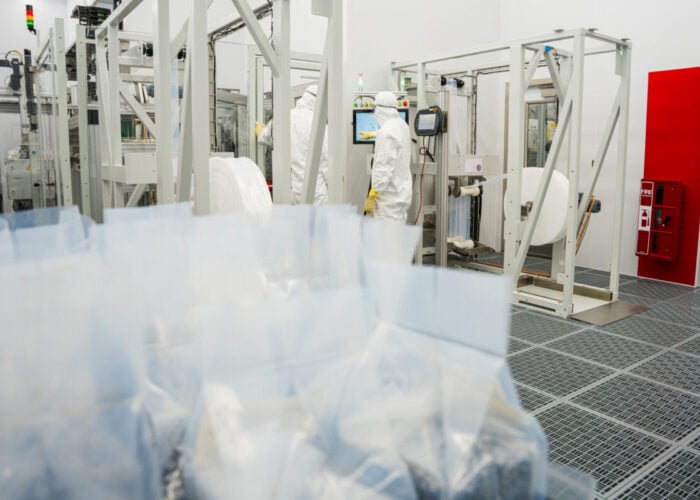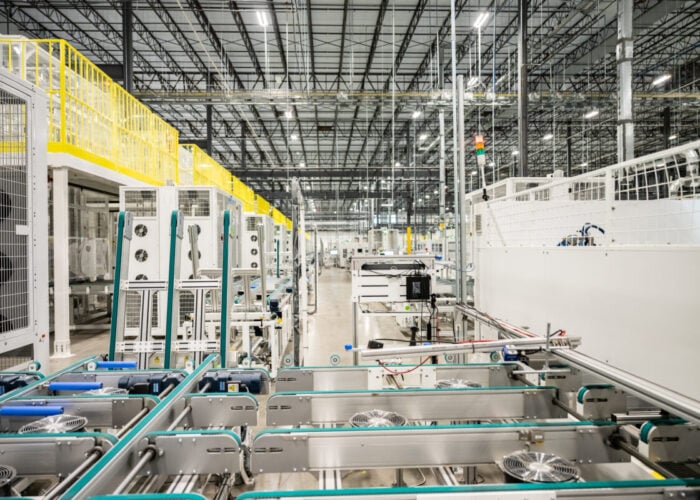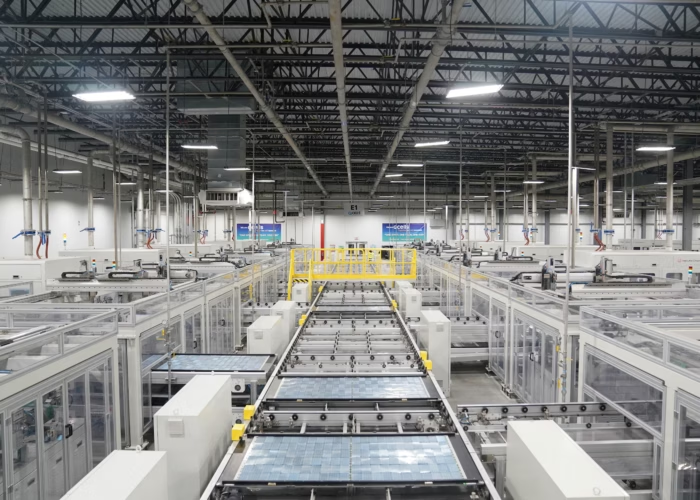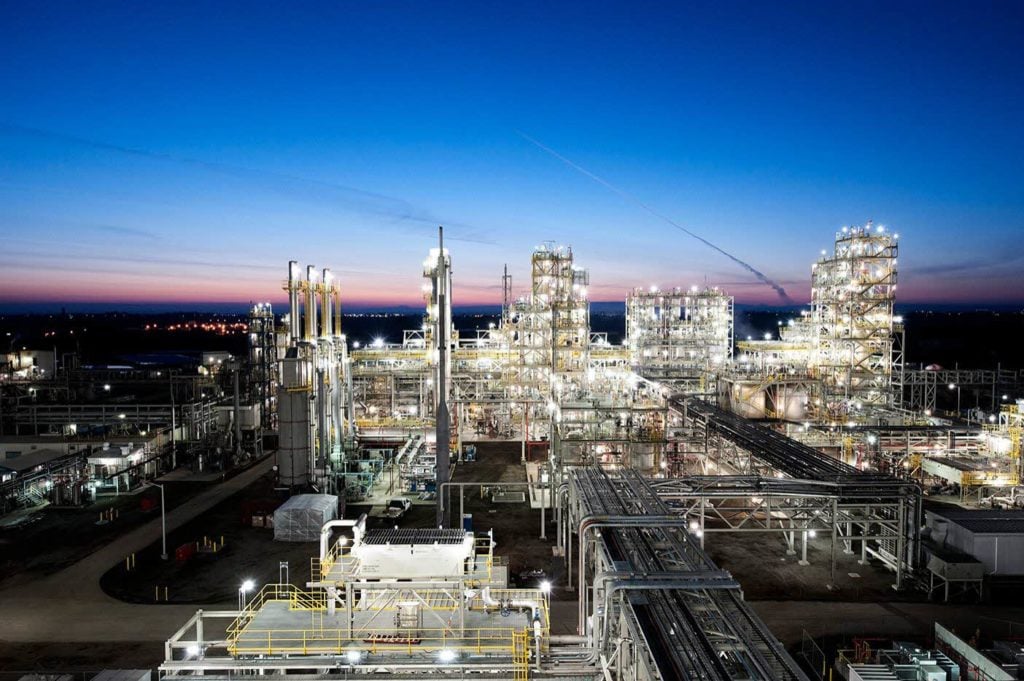
REC Silicon is progressing with efforts to restart operations at its Moses Lake polysilicon production facility in the US, a move the company said is underpinned by the passage of the country’s Inflation Reduction Act (IRA).
The Norwegian polysilicon manufacturer plans to start production at the 18,000MT Moses Lake plant, in Washington state, in Q4 2023 and reach 100% capacity utilisation at the facility by the end of 2024.
Try Premium for just $1
- Full premium access for the first month at only $1
- Converts to an annual rate after 30 days unless cancelled
- Cancel anytime during the trial period
Premium Benefits
- Expert industry analysis and interviews
- Digital access to PV Tech Power journal
- Exclusive event discounts
Or get the full Premium subscription right away
Or continue reading this article for free
Modification of fluidised bed reactor (FBR) technology at the site is currently underway, as the company progresses with materials and equipment procurement and hires for positions critical to restarting activities.
With President Biden signing the Inflation Reduction Act into law yesterday, REC Silicon CEO James May said the company’s US-based manufacturing facilities “are ideally positioned to ensure that the objectives of this landmark legislation are realised”.
He added: “The passage of this legislation underpins REC Silicon’s decision to restart 100% of our FBR production. Efforts are well underway to restart our Moses Lake facility.”
Included in the legislation is an Advanced Manufacturing Production Credit for PV components, with solar-grade polysilicon eligible for US$3/kg credit.
Publishing its Q2 2022 results today, REC Silicon reported polysilicon sales of 471MT, a 3% decline on the same quarter last year.
While revenues increased 26% year-on-year to US$45 million, the company posted an EBITDA loss of US$1.1 million.
Earlier this year South Korean chemical company Hanwha Solutions increased its stake in REC Silicon to 21.34%.
REC Silicon since said the investment “has sparked the impetus” to plan for the development of an end-to-end US solar supply chain.
The company announced a deal in June with silicon metal provider Ferroglobe that involves the negotiation of a raw material supply agreement between the pair.