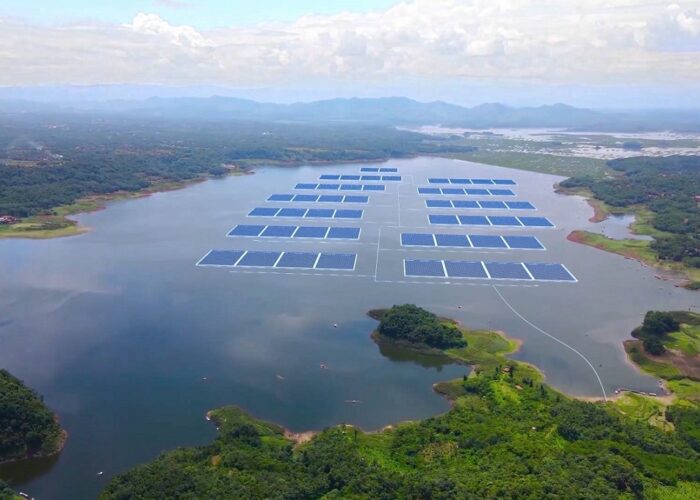
Construction work on a 145MWac floating solar project in Indonesia has started after the joint venture (JV) behind the installation reached financial close.
New investment in renewables reached a record US$174 billion in H1 2021, with renewable energy companies raising 509% more than H1 2020 and investment in solar projects up 9%, according to the latest Renewable Energy Investment Tracker from BloombergNEF
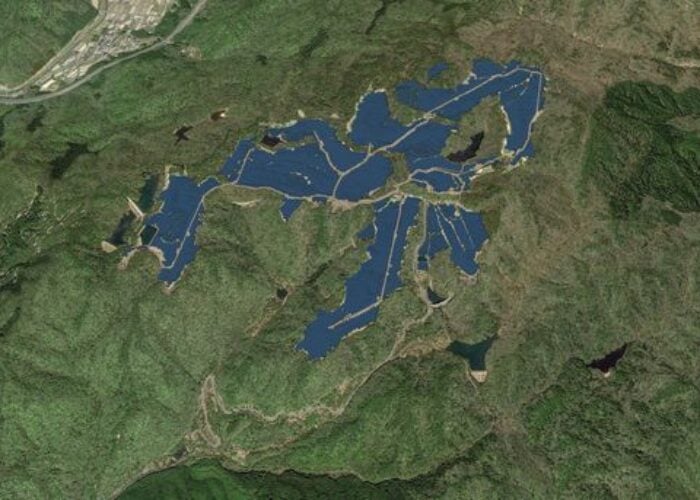
Solar developer Pacifico Energy has started building work on a 121MWdc solar project on the site of a former golf course in Japan, with juwi Shizen Energy hired as engineering, procurement and construction (EPC) contractor.
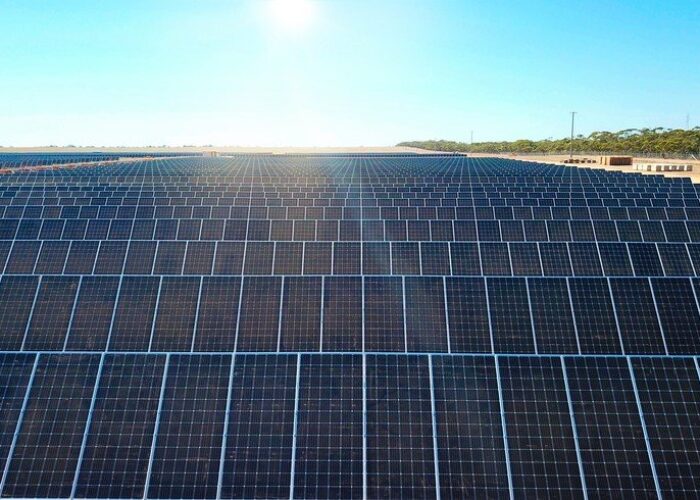
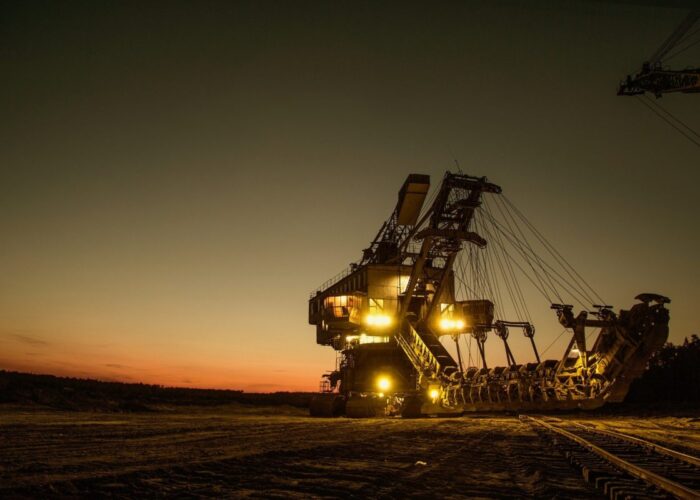
Anglo-Australian mining company BHP, in partnership with Canada’s TransAlta Renewables, is to build two solar farms and a battery storage system to help power its Mt Keith and Leinster nickel mines in Western Australia
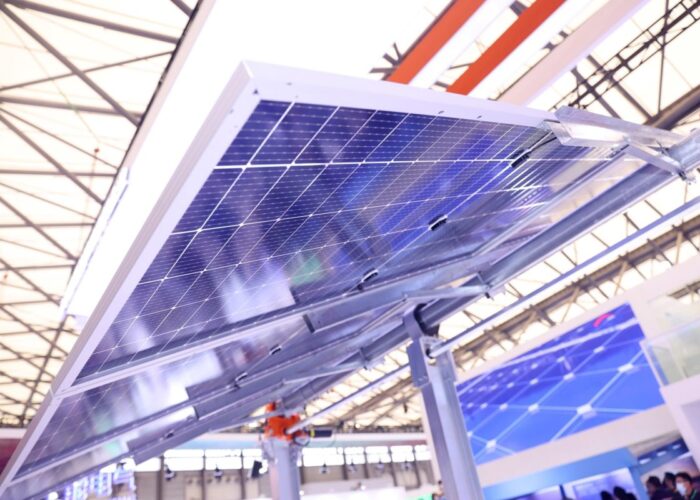
Tracker and racking provider Arctech has delivered SkySmart II tracking system to a 575MW agriculture-sharing solar project located in Nangong City, Hebei Province, China.
Chinese inverter manufacturer Sungrow has opened another research and development (R&D) centre in Nanjing, China that will focus on smart technologies, big data and software integration
Greek industrial group Mytilineos recorded a net profit of €77 million (US$91 million) in H1 2021, however the firm’s renewables division witnessed a drop in revenue year-on-year.
China could install up to 65GW of solar this year, driven largely by a surge in demand for distributed solar installations, while average solar deployment could reach 90GW per year in the years leading up to 2025.