Not enough bidders turned up for Solar Energy Corporation of India’s (SECI) tender for 3GW of solar manufacturing linked with 10GW of projects and the deadline has been extended to 12 October.
China-based PV manufacturer and developer Risen Energy has signed a contract with Vietnam-based company Tasco to build a 61MW solar project in Ninh Thuan.
US government development finance institution Overseas Private Investment Corporation (OPIC) has committed US$25 million in financing to a fund managed by off-grid solar firm SunFunder, which will provide loans to companies developing off-grid solar products and solutions for Sub-Saharan Africa and Asia.
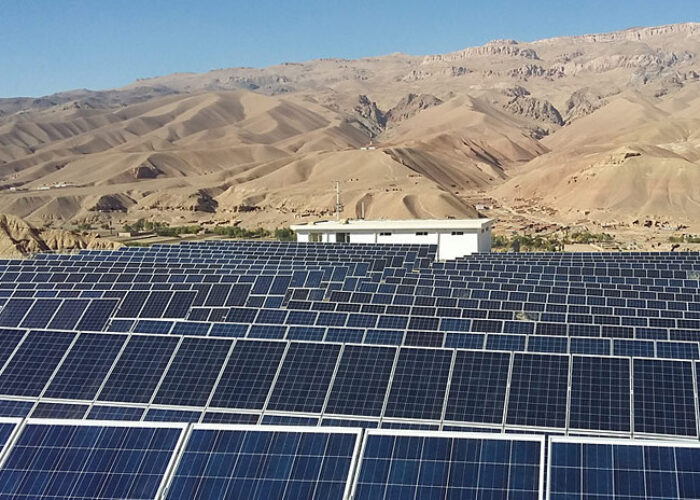
The International Finance Corporation (IFC) has signed an agreement with the government of Afghanistan to design and tender a 40MW solar plant that will set a new model for subsequent projects and support the country’s 2GW of PV goal.
The Asian Development Bank (ADB) has approved a US$40 million loan to support a 41MW hybrid distributed renewable energy system combining wind, solar, battery storage and a thermal heat pump in Mongolia.
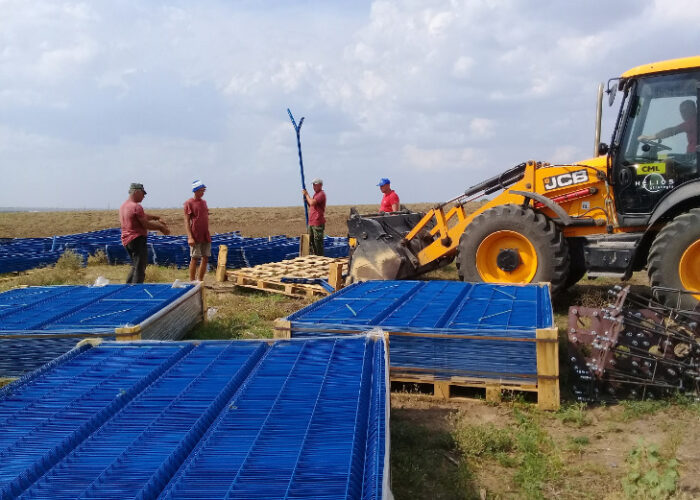
Acme commissions 200MW in Rajasthan, BlueWave Solar sells 24MW community solar portfolio to Goldman Sachs, TIU Canada starts building 13.5MW solar project in Ukraine using LONGi modules.
C&I rooftop solar specialist Asia Clean Capital (ACC) has partnered with Jiangsu Dahang Microgrid Technology to co-develop a 200MW solar pipeline in Mainland China.
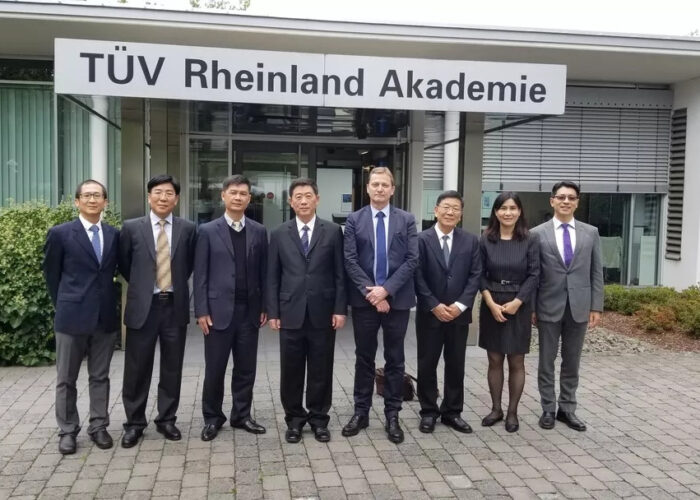
TUV Rheinland has hosted a delegation from China at its officials at the headquarters of TUV Rheinland Academy in Cologne, Germany that will support a strategic cooperation framework agreement for the Sino-German Industry 4.0 Demonstration and Training Center project.
A range of diverse projects both regionally and in scale have been announced, which includes a 23.5MW PV project in New Jersey, 1.5MW of rooftop projects in London, UK and a total of 98MW in Binh Thuan and Long An Provinces, Vietnam.