The rapid expansion of solar energy is being driven by more than decarbonisation goals alone. Utilities are scaling utility-scale solar to meet rising electricity demand, strengthen grid capacity and take advantage of the improving cost economics of solar generation.
As electrification accelerates across sectors, solar has become one of the fastest and most cost-effective ways to add new power to the grid. In the US, solar represents a significant share of new generation capacity, with utility-scale deployments accounting for roughly half of new additions in recent years.
Try Premium for just $1
- Full premium access for the first month at only $1
- Converts to an annual rate after 30 days unless cancelled
- Cancel anytime during the trial period
Premium Benefits
- Expert industry analysis and interviews
- Digital access to PV Tech Power journal
- Exclusive event discounts
Or get the full Premium subscription right away
Or continue reading this article for free
The momentum is expected to continue. Developers are projected to add approximately 86GW of new power generation capacity in 2026, and solar is expected to represent more than half of those additions.
Yet the rapid expansion of solar infrastructure is also changing how energy operators think about inspections. Unlike traditional transmission and distribution infrastructure, where inspections are primarily focused on preventing failures and maintaining reliability, solar inspections are often centered on optimising performance. Operators must ensure that thousands or even millions of panels are producing at peak efficiency.
Even small issues, such as panel degradation, electrical anomalies or thermal hotspots, can significantly reduce generation output across an entire facility. In many cases, the issue is not whether assets are functioning, but whether they are producing at their expected capacity.
For utilities, even small improvements in performance can translate into meaningful gains in energy output and revenue. A 100MW solar farm producing approximately 170,000MWh annually could generate an additional 8,500MWh per year with a 5% increase in output. At an average value of six cents per kilowatt-hour, that represents more than US$500,000 in additional annual energy value from a single site. As solar portfolios scale into the hundreds or thousands of megawatts, the impact of these incremental gains increases significantly.
Solar expansion is often discussed in terms of energy transition milestones and climate goals. What receives less attention is the operational transformation required to support that growth. As solar portfolios expand, utilities must manage a rapidly growing network of physical infrastructure that requires inspection, monitoring and maintenance.
Solar ownership structures are also evolving. While utilities remain the largest operators of grid-connected solar assets, many large facilities are developed through partnerships with independent power producers (IPPs), private investment firms and other asset owners. Regardless of ownership structure, the operational challenge remains the same: ensuring that large, distributed solar assets operate reliably and at peak performance over decades of operation.
The scale and complexity of this infrastructure is growing faster than traditional inspection programs were designed to handle. As a result, many operators are reaching a point where existing inspection approaches can no longer keep pace with the scale of their solar deployments. In many ways, the rise of solar is forcing a fundamental rethink of how utilities approach asset management.
The infrastructure behind solar growth
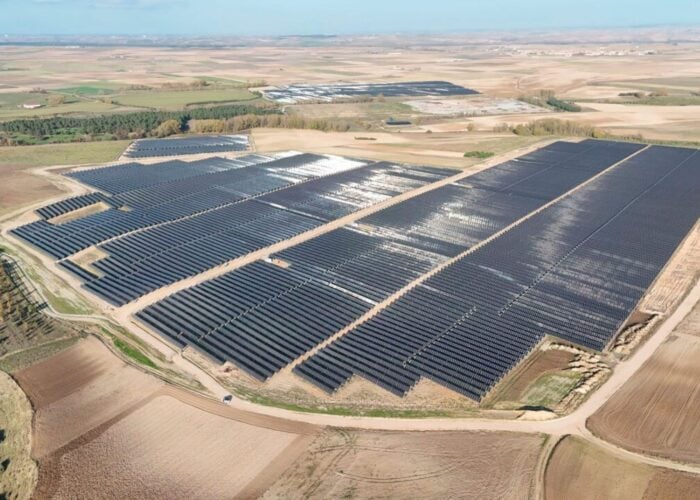
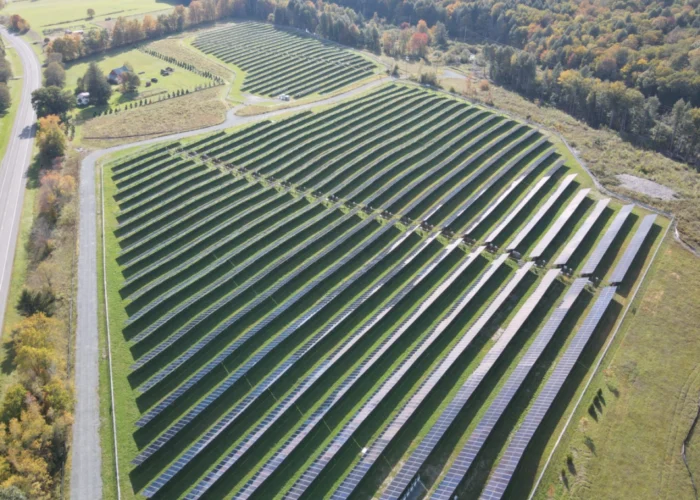
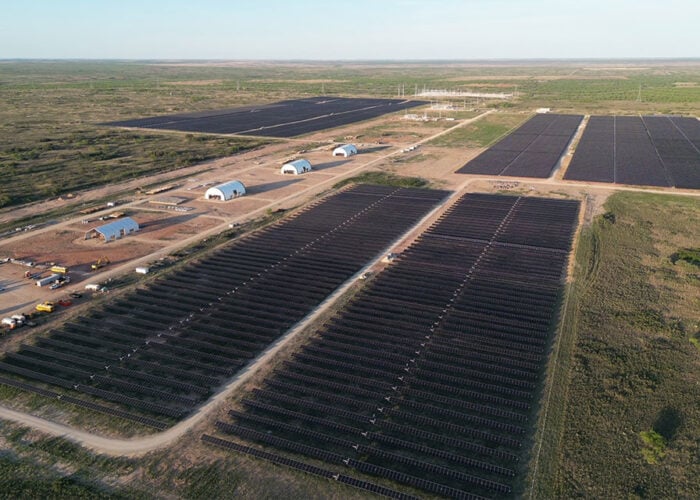
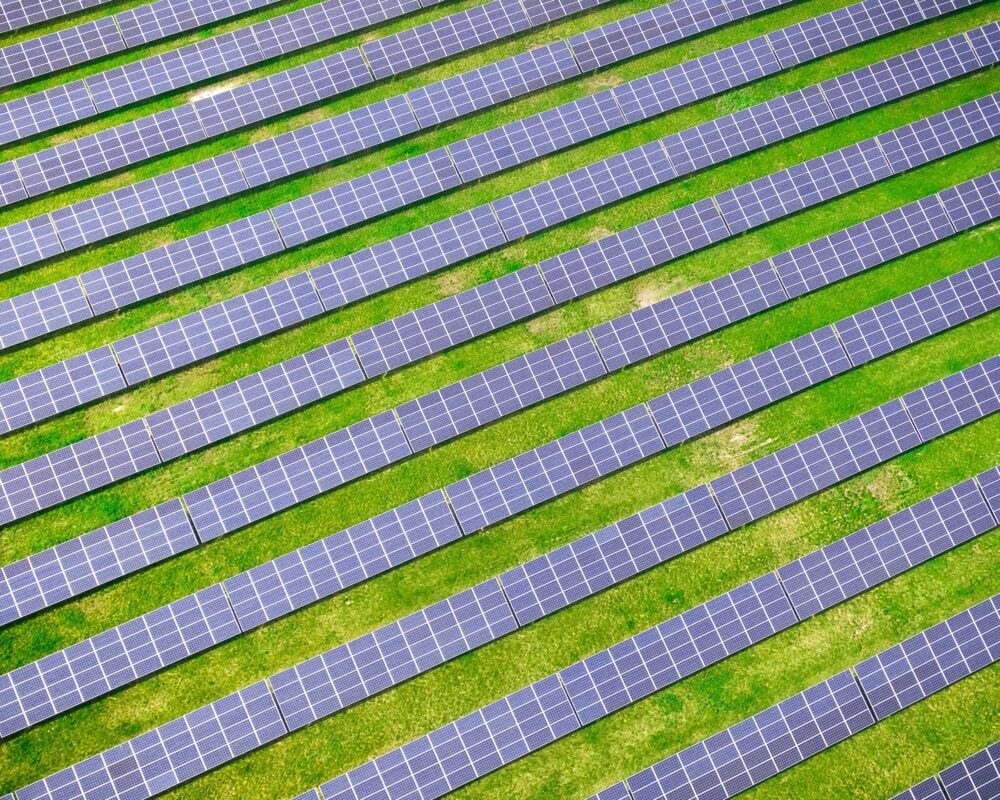
Utility-scale solar facilities require extensive infrastructure that spans large geographic areas. A single solar farm can contain hundreds of thousands of PV panels connected through an intricate network of electrical components including inverters, combiner boxes, connectors and supporting equipment. These systems must operate continuously and efficiently to ensure that solar generation meets expected performance levels.
Each of these components introduces potential points of failure. Panels can crack or degrade over time. Electrical connections can loosen or overheat. Environmental factors such as dust accumulation, temperature fluctuations, and weather events can also affect performance.
Solar inspections also occur at two key stages of the asset lifecycle. The first occurs during construction and commissioning, when inspections verify that installations meet design specifications and identify damaged panels or components before projects are completed. The second occurs during ongoing operations, where inspections focus on identifying performance issues such as thermal anomalies, string outages, or inverter failures that may reduce generation output.
Because solar facilities often cover hundreds or even thousands of acres, identifying and resolving issues quickly can be difficult without effective inspection and monitoring processes. As the number of installations grows, so does the volume of infrastructure that must be maintained to ensure reliable operation.
Utilities are now responsible for overseeing solar assets that are both highly distributed and physically extensive. This shift requires new approaches to managing infrastructure at scale.
Inspection programmes are reaching a breaking point
Historically, many infrastructure inspection programmes relied heavily on manual processes. Field teams conducted visual reviews of equipment, sometimes supported by helicopter surveys or ground-based inspections. These approaches were manageable when the number of assets was smaller and the frequency of inspections was limited. The rapid expansion of solar generation has changed that equation.
Modern inspection technologies such as drones, high-resolution cameras and thermal imaging systems allow utilities to collect far more information about asset conditions than was possible in the past. Drone surveys can capture detailed imagery across large solar facilities in a fraction of the time required for manual inspections.
Equipped with both RGB and thermal sensors, drones provide a comprehensive view of solar asset health. Thermal imaging plays a particularly critical role, enabling operators to quickly identify hotspots, electrical stress and underperforming panels that may not be visible through standard imagery.
While this increased visibility provides important operational insights, it also creates a new challenge. Inspection programs can generate tens or hundreds of thousands of images per survey, far exceeding what teams can realistically analyse manually.
Solar growth is increasing operational complexity
Solar expansion is also introducing new operational complexity across the grid. Traditional power systems were built around centralised generation sources such as coal, gas or hydroelectric plants. These facilities produced electricity in predictable ways and were connected to well-established transmission infrastructure.
Solar generation operates differently. Power output fluctuates with sunlight conditions, weather patterns and seasonal changes. Solar installations are also distributed across a wider geographic footprint than traditional power plants.
As utilities add more solar capacity to their portfolios, they must manage a grid that is increasingly dynamic. Power flows shift throughout the day. Distributed assets introduce new interconnection points. Maintenance activities must be coordinated across larger territories.
In this environment, maintaining situational awareness across infrastructure becomes more difficult. Utilities need reliable insight into the condition of assets across multiple sites so that potential issues can be addressed quickly and efficiently.
The shift toward scalable, data-driven inspection
To keep pace with solar growth, utilities are increasingly adopting scalable inspection and monitoring strategies that leverage modern data analysis tools.
Drone-based inspections have become a common method for surveying large solar installations. Equipped with high-resolution cameras and thermal sensors, drones can capture detailed imagery that reveals performance issues that may not be visible to the naked eye. Thermal imaging plays a particularly critical role, enabling operators to quickly identify hotspots, electrical stress and underperforming panels that may not be visible through standard imagery.
Solar inspections also differ fundamentally from traditional transmission and distribution (T&D) workflows in the type of data they rely on. While T&D inspections are typically weighted toward standard visual imagery, solar inspections depend heavily on thermal data to identify underperforming panels, electrical imbalances and hotspots. Thermal imaging has historically been a more specialised and less widely-adopted technology, which introduces additional complexity when applied at scale.
As a result, utilities are not only managing larger volumes of data, but also working with more complex datasets that require specialised analysis to translate into actionable insights.
While this increased visibility provides important operational insights, it also creates a new challenge. Inspection programs can generate tens or hundreds of thousands of images per survey, far exceeding what teams can realistically analyse manually.
The difficulty is no longer collecting inspection data. The real challenge lies in converting large volumes of visual and thermal imagery into actionable maintenance decisions. Inspection programs now require end-to-end workflows that can ingest inspection data, map it to specific assets and geospatial locations, analyse imagery at scale, and deliver prioritised insights directly into maintenance and work management systems.
This is particularly important in the utility sector, where new technologies must integrate with existing GIS, asset management and work order systems rather than require entirely new workflows. Without integrated workflows that connect these steps, utilities risk being overwhelmed by data rather than empowered by it.
Utilities are beginning to use automated analysis techniques that can process large volumes of imagery and identify potential anomalies across thousands of solar panels and related components. These systems help detect issues such as thermal hotspots, electrical irregularities and structural damage.
By automating parts of the analysis process, utilities can significantly reduce manual review effort, lower operational costs and enable faster, more consistent decision-making at scale. This approach allows inspection teams to focus on validating findings and prioritising maintenance activities rather than manually reviewing every individual image.
Moving toward optimised asset management
The next step in the evolution of solar asset management involves moving from reactive maintenance toward predictive infrastructure management. Predictive approaches rely on continuous monitoring and historical data analysis to identify trends that indicate potential equipment problems. Instead of waiting for failures to occur or relying solely on scheduled inspections, utilities can detect early warning signs and intervene before performance is affected.
Thermal anomalies may signal electrical stress. Gradual changes in panel performance may indicate degradation. Connector overheating can reveal underlying issues that may eventually lead to equipment failure.
When utilities can identify these signals early, they gain the ability to plan maintenance more strategically and reduce the likelihood of unexpected outages or performance losses.
More importantly, predictive strategies enable operators to maximise energy production across solar assets, ensuring that facilities consistently deliver expected output and improving the overall efficiency of renewable generation.
Preparing the grid for the next phase of renewable energy growth
Solar energy will continue to expand as countries pursue decarbonisation goals and electrification increases across transportation, buildings and industry. The pace of renewable deployment suggests that the amount of solar infrastructure connected to the grid will grow substantially over the next decade.
As this growth continues, utilities will need inspection and monitoring frameworks that can scale with their infrastructure portfolios.
Increasingly, utilities are also looking to manage solar alongside transmission, distribution and substation assets within unified systems, reducing the need for multiple point solutions and enabling a more consistent, scalable approach to infrastructure inspection.
Data-driven analysis, integrated asset management systems, and advanced monitoring technologies will play a central role in helping utilities maintain visibility across large and geographically distributed solar assets.
The growth of renewable energy is often measured in gigawatts of new generation capacity. Equally important is the operational efficiency required to ensure those assets deliver expected output over time.
As solar installations continue to expand across the grid, the ability to inspect, monitor and maintain infrastructure at scale will become foundational to how utilities manage and optimise solar infrastructure while maintaining performance, reliability and operational efficiency.