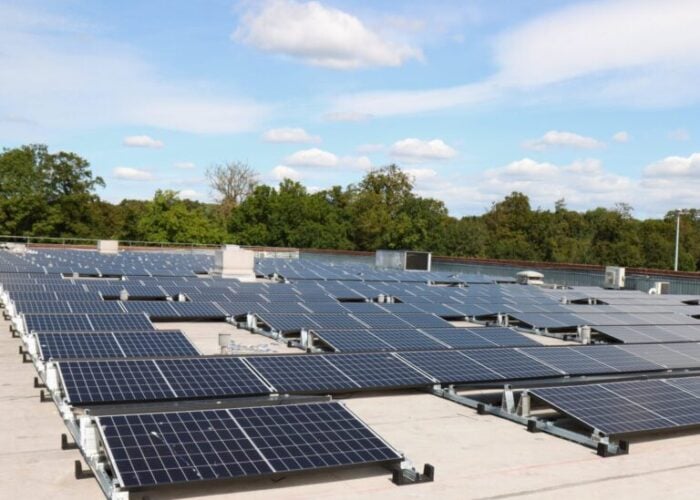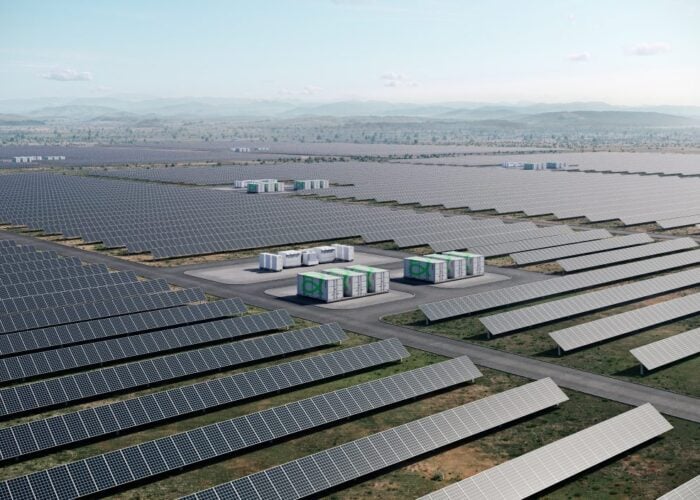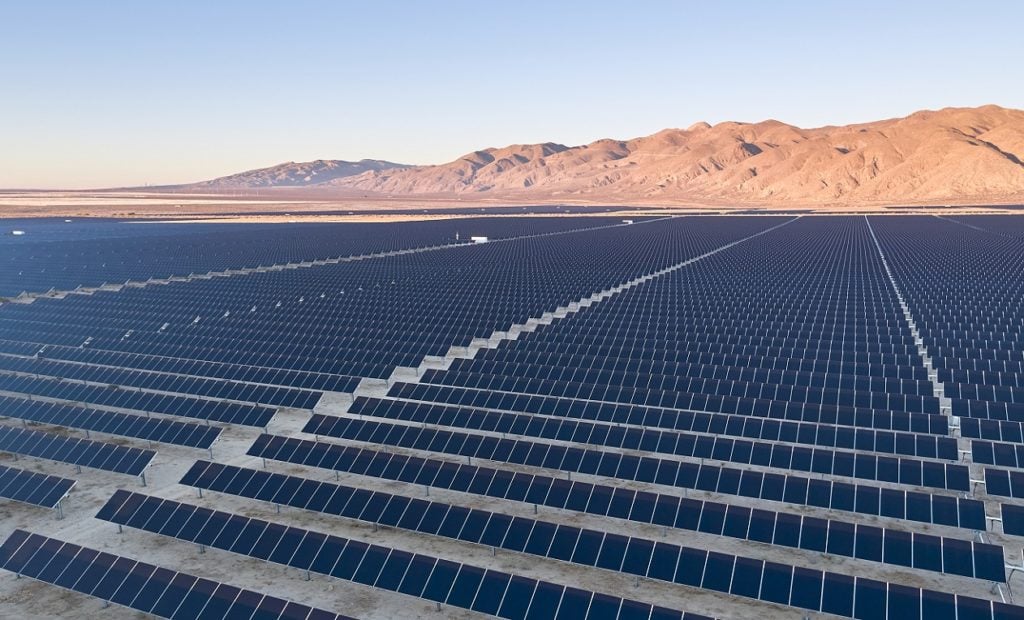
Installed solar PV capacity globally will grow 20-fold by 2050, when the technology will represent 38% of all electricity production, according to a new DNV report.
The assurance and risk management provider expects that by mid-century there will be 14.5TW of solar capacity, of which 9.5TW will be standalone PV and 5TW solar-plus-storage.
Try Premium for just $1
- Full premium access for the first month at only $1
- Converts to an annual rate after 30 days unless cancelled
- Cancel anytime during the trial period
Premium Benefits
- Expert industry analysis and interviews
- Digital access to PV Tech Power journal
- Exclusive event discounts
Or get the full Premium subscription right away
Or continue reading this article for free
The sixth edition of DNV’s Energy Transition Outlook report found that solar PV and wind are already the cheapest forms of electricity in most locations and by 2050 they will dominate electricity production, with a combined 69% share.
“The strongest engine of the global energy transition is the rapidly reducing costs of solar and wind energy, which will outweigh the present short-term shocks to the energy system,” said DNV CEO Remi Eriksen.
DNV forecasts that the global weighted average levellised cost of energy (LCOE) for solar PV is expected to fall from its current US$50/MWh level to around US$30/MWh by mid-century, when individual project costs will be well below US$20/MWh.
While solar PV is the technology with the lowest average capture prices due to its variability, the report said these prices will not be a showstopper for the strong growth of PV generation as solar-plus-storage PV systems are designed as a ‘package’ that can produce energy on demand, just like hydropower, nuclear or combustion power plants.
By 2038, the capture price advantage of solar-plus-storage over regular PV plants will surpass the cost disadvantage on a globally averaged basis, according to the research, which said that half of all PV installed will be with dedicated storage by 2050.
According to DNV’s pathway to net zero – the organisation’s most feasible route to achieving net zero emissions by 2050 and limiting global warming to 1.5°C – renewables investment needs to triple and grid investment must grow by more than 50% over the next ten years.
While a global CO2 emissions reduction of 8% is needed every year to reach net zero by 2050, emissions rose steeply in 2021 and 2022 may only show a 1% decline in emissions, the research found.
To reach net zero, DNV said “the full policy toolbox must be unpacked”, including: higher carbon taxes and subsidies, stronger mandates, bans and financial incentives to encourage renewables to replace fossil fuels, and smarter regulation and standards.
“With COP27 approaching, it is important that policymakers recognise the huge opportunities inherent in decarbonising the energy mix in light of the mounting costs of climate change impact,” said Eriksen.
“The technology exists to achieve net zero emissions by 2050, but for this to happen we must utilise the scope of the policy toolkit.”