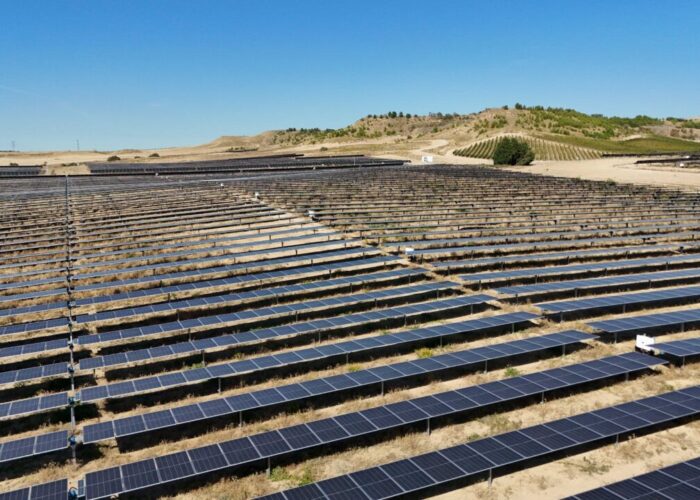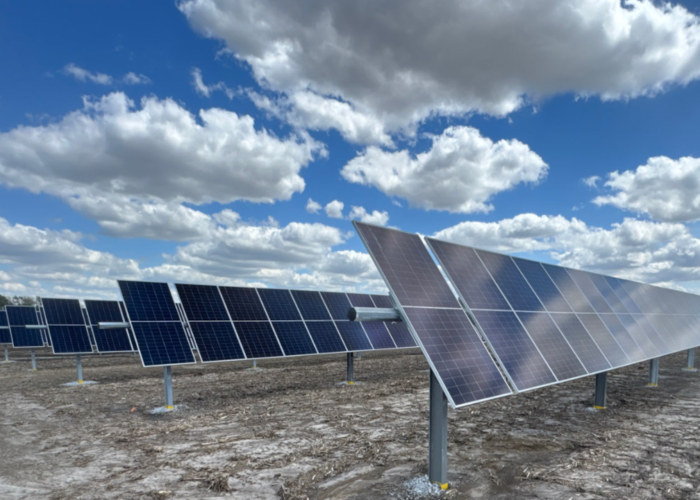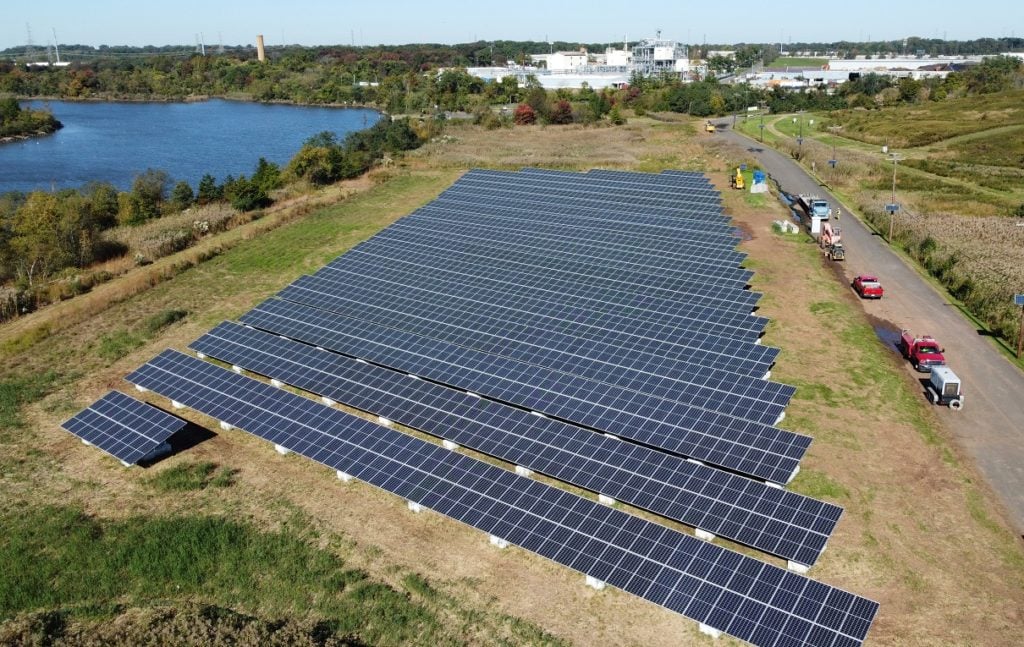
The Ministry of Ecological Transition (MITECO) in Spain has published its proposal to regulate renewable energy communities in the country.
Energy communities are projects defined by community ownership – individuals or small companies – and primarily for self-consumption. No single member can have more than 51% of the voting shares of a community.
Try Premium for just $1
- Full premium access for the first month at only $1
- Converts to an annual rate after 30 days unless cancelled
- Cancel anytime during the trial period
Premium Benefits
- Expert industry analysis and interviews
- Digital access to PV Tech Power journal
- Exclusive event discounts
Or get the full Premium subscription right away
Or continue reading this article for free
Through a royal decree (“Real Decreto”), the Spanish government aims to allocate a dedicated capacity for renewable energy community projects, which includes community solar, in new tenders.
The inclusion of community solar in renewable auctions could boost interest from a market that has been growing quickly in the past couple of years and could add interest in solar PV as the latest auction ended without a single winning bid for solar, despite 1.8GW of capacity allocated to solar PV.
Since a change in regulation in 2018, the solar self-consumption market has had an increased growth in the past couple of years with 2.5GW of installed capacity in 2022 – more than doubling the numbers in 2021 – which in itself represents nearly half of the total self-consumption capacity in Spain by the end of 2022.
The other major proposal from the MITECO would be to free up to 5% of grid capacity for new installations coming from renewable communities – including community solar – allowing them to power the grid with the excess energy produced.
Even though renewables communities and citizens’ communities of energy have many similarities – as described in the royal decree proposal – one major difference between both is in regards to the proximity of the members of the former, which require them to live in the proximity of the renewable project. The distance might vary depending on the size of the municipality if it has less than 5,000 inhabitants, between 5,000-50,000 or more than 50,000.
Any public participation needs to be remitted before 18 May when the text will then be presented to be passed. For more information about the proposals or to present any pleas about it, read here.