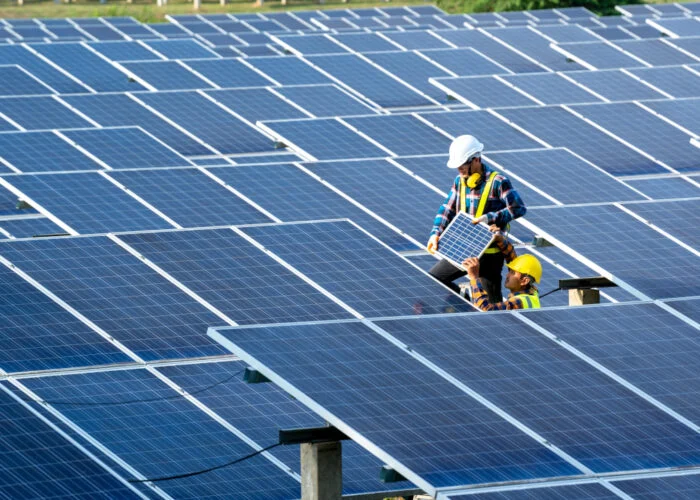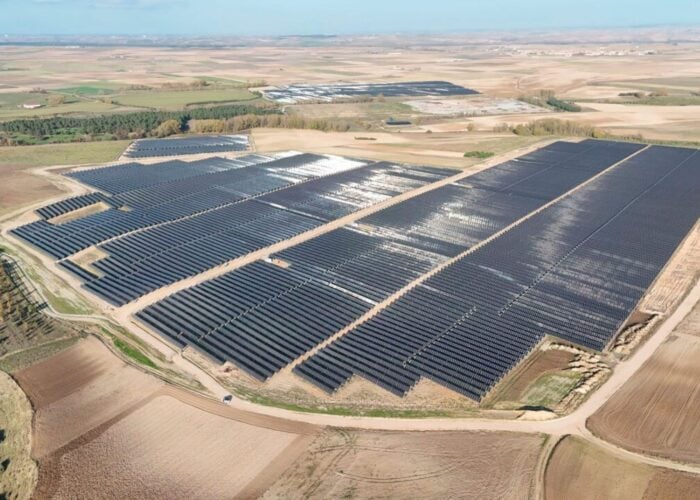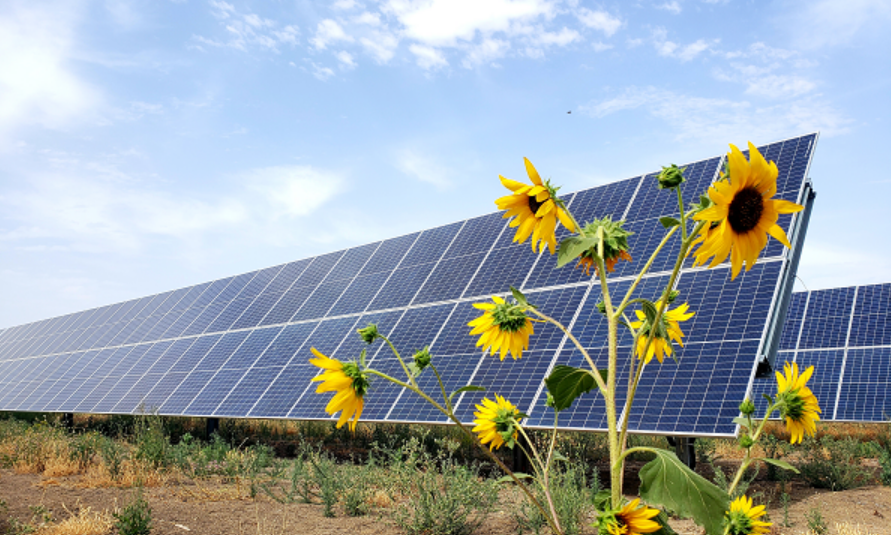
Statkraft Italy has signed a four-year research agreement with the Department of Agro-Environmental and Territorial Sciences (DiSAAT) at the University of Bari Aldo Moro in Italy to explore the potential of agri-photovoltaics (agri-PV) in Europe.
The research aims to examine new approaches, methodologies and technologies in the field of electricity generation and agriculture to achieve the correct integration between PV systems and agricultural production, optimising the yield in both fields.
Try Premium for just $1
- Full premium access for the first month at only $1
- Converts to an annual rate after 30 days unless cancelled
- Cancel anytime during the trial period
Premium Benefits
- Expert industry analysis and interviews
- Digital access to PV Tech Power journal
- Exclusive event discounts
Or get the full Premium subscription right away
Or continue reading this article for free
The finds will be presented to public administrations, entrepreneurs, farmers and local communities, Statkraft said in a media release.
It said the research was in line with the objectives of COP26, the European Green Deal, the Fit for 55 roadmap and the REpowerEU strategy, although some of these have been branded as increasingly out-of-date given recent geopolitical events.
Among other topics, the research partners will look at which crops are best combined with the presence of PV systems, considering cultivation and mechanisation needs, production and harvesting techniques, the type of PV systems and the environmental impact.
Agri-PV has long been touted as a way to extend solar deployment while protecting land use and increasing community acceptance of renewable projects. Today, PV Tech Premium spoke with Belectric about the potential of agri-PV in Europe, noting how the practice could help the continent increase its energy security.

Indeed, SolarPower Europe has called for the immediate deployment of agri-PV systems as part of an eight-point plan to reach 1TW of solar by 2030 amid the repercussions of the Russian invasion of Ukraine.
There has been a flurry of activity in the agri-PV space recently, with Germany set to accelerate solar deployment on agricultural land, solar manufacturer Heliene and US nanomaterials specialist UbiQD collaborating on agri-PV modules and Helexia acquiring French agri-PV installer and operations company Cap Sud, to name but a few.
The title of the Statkraft and DiSAAT project is “Agri-photovoltaics for a sustainable future”.