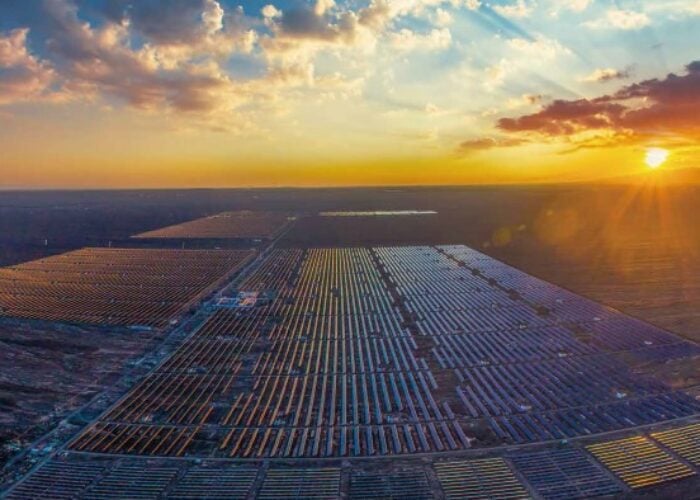
Asset management firm Capital Dynamics, which has just acquired the First Solar and SunPower solar yieldco firm, 8point3 Energy Partners is to own and operate a planned 1GW PV power plant in Nevada, which includes technology infrastructure firm Switch as a major customer for the renewable energy and is based in the state.
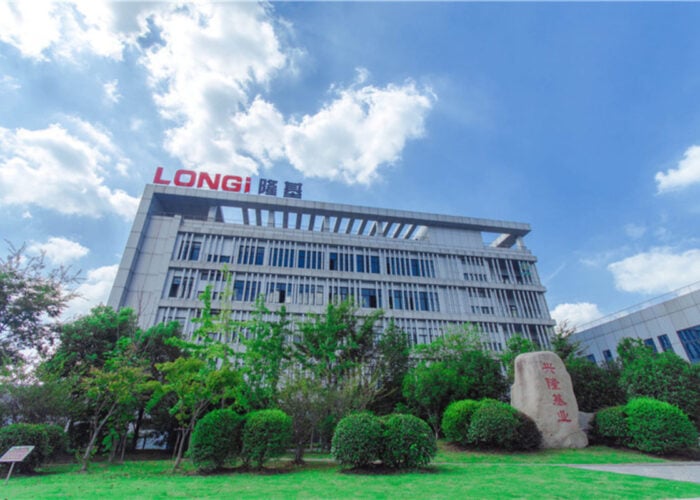
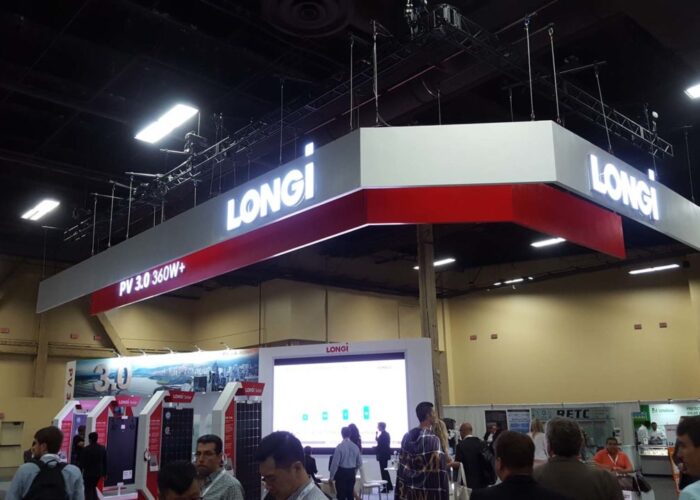
Leading integrated high-efficiency monocrystalline module manufacturer and ‘Silicon Module Super League’ (SMSL) member LONGi Green Energy Technology has officially reignited previously suspended manufacturing plans in Andhra Pradesh, India.
‘Silicon Module Super League’ (SMSL) member Trina Solar has said it shipped over 9GW of PV modules globally in 2017, confirming its second place position in PV Tech’s Top-10 Module Suppliers annual rankings.
Russia-based integrated PV manufacturer Hevel Group, which has switched production from amorphous silicon thin-film technology to silicon heterojunction (HJ) has said it has been successful in ramping to its 160MW nameplate capacity and achieving cell conversion efficiencies of 22.8%.
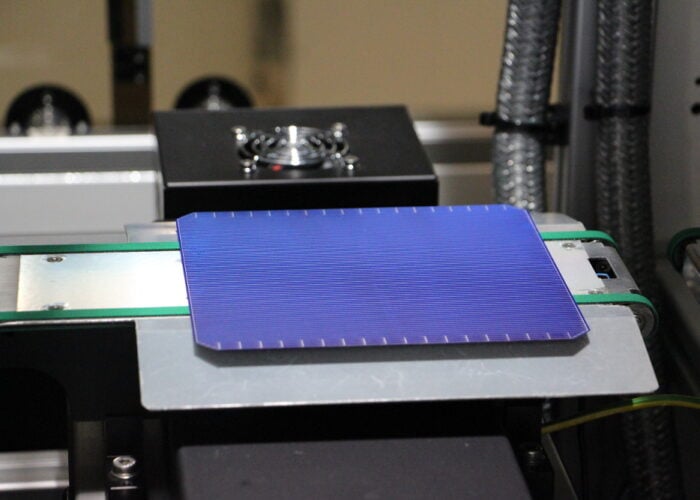
‘Silicon Module Super League’ (SMSL) member LONGi Solar, a subsidiary of LONGI Green Energy Technology, the largest monocrystalline wafer producer in the world has reported that TUV-SUD has verified its P-type monocrystalline PERC module to have a conversion efficiency of 20.41%, a new industry record.
Leading fully-integrated high-efficiency monocrystalline module manufacturer and ‘Silicon Module Super League’ (SMSL) member LONGi Green Energy Technology has set a strategic plan to triple monocrystalline ingot and wafer capacity to 45GW in 2020.
According to China’s National Energy Administration (NEA), solar PV installations reached 52.83GW in 2017, up from 34.54GW in 2016, and accounting for around 50% of expected global solar demand last year.
Major China-based PV module manufacturer Risen Energy, which entered PV Tech’s Top 10 module manufacturer’s rankings for the first time in 2017, has reported that its operating income exceeded RMB 10 billion (US$1.56 billion) in 2017, a new record for the company.
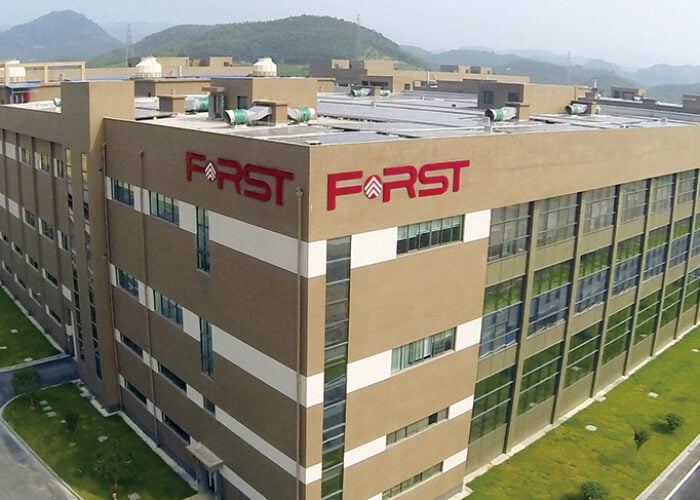
Leading PV module encapsulation and backsheet material supplier Hangzhou First Applied Materials Co, formerly First Photovoltaics (PV) was heading for a major collapse in its business profitability in 2017 but relocation compensation from a state land acquisition is expected to provide support to its profitability.