The US Department of the Treasury and Internal Revenue Service (IRS) have released their final rules for the implementation of the Section 48 Investment Tax Credit (ITC) in the US renewable power space.
The ITC allows investors to receive a tax credit of around 30% of the cost of a renewable energy project in which they have invested. The rules are largely in line with the proposed rules issued in November 2023, and form a key part of the US’ push for greater clean energy investment. Lawmakers expect the new laws to come into effect on 12 December, the day that the Treasury’s latest rules document is to be published in the Federal Register.
Try Premium for just $1
- Full premium access for the first month at only $1
- Converts to an annual rate after 30 days unless cancelled
- Cancel anytime during the trial period
Premium Benefits
- Expert industry analysis and interviews
- Digital access to PV Tech Power journal
- Exclusive event discounts
Or get the full Premium subscription right away
Or continue reading this article for free
“By ending short-term legislative extensions for the ITC, the Inflation Reduction Act (IRA) has given clean energy project developers clarity and certainty to undertake major investments and produce new clean power to meet growing electricity demand,” said US deputy secretary of the Treasury Wally Adeyemo. “Today’s announcement will help lower consumers’ utility bills, strengthen US energy security and create good-paying jobs.”
Lawmakers have responded to a number of comments made following the publication of the proposed rules, adding specific rulings of particular relevance to the solar sector that pertain to inverters, grids and storage.
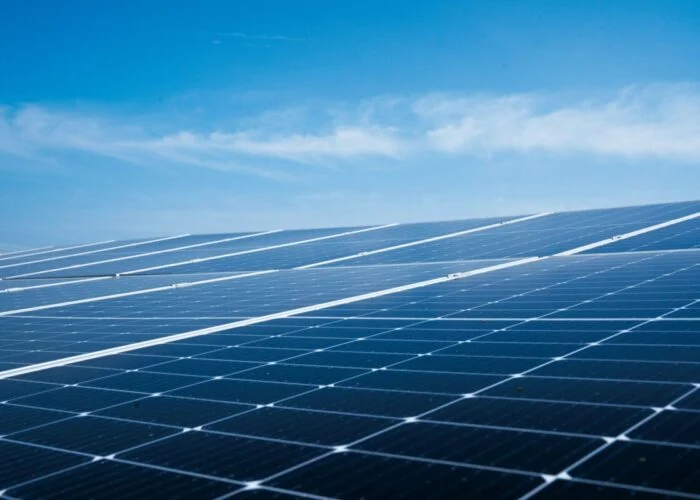
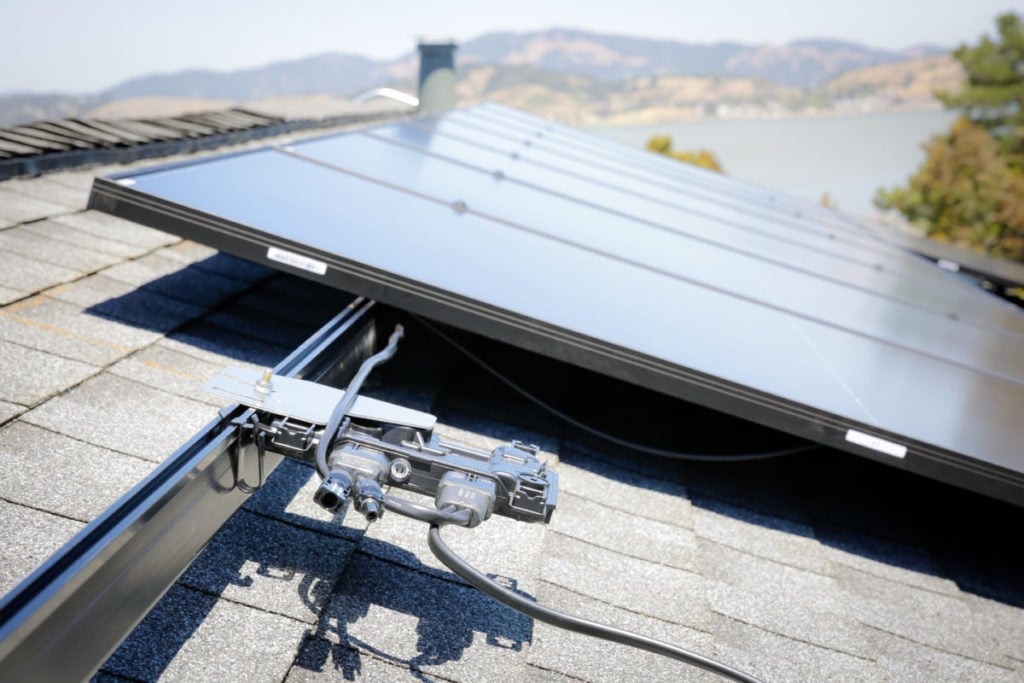
Regarding inverters, Treasury and the IRS clarified that the definition of a solar stem includes “all the solar panels that are connected to a common inverter,” or linked to a common electrical load if there is no inverter in place.
In effect, this means that solar panels built over a single property that covers a large area, or panels that are installed over several phases – such as rooftop panels used on warehouses and other commercial and industrial uses – will be counted as a single project with regard to calculating tax credits awarded under the ITC.
Grid connection clarifications
On the subject of grid connections, a commentor asked for clarification on tax credit eligibility regarding community solar projects. In this example, investors are often required to pay for necessary upgrades to grid transmission infrastructure, but existing rules specify that “qualified interconnection property is not part of an energy property”, so these investments would not count towards calculations made towards that investor’s ITC tax credits.
In response, the Treasury and IRS clarified that the calculations made regarding ITC eligibility already include “amounts paid or incurred by the taxpayer for qualified interconnection property,” meaning these costs are already taken into account when calculating ITC eligibility.
A lack of available grid capacity, particularly for new solar projects, is a significant challenge for the US energy sector, with figures from the Lawrence Berkeley National Laboratory showing that 2.6TW of electricity generation capacity were awaiting grid connection as of the end of 2023, a 27% year-on-year increase. This means that more of the burden for securing grid connections for community solar projects has fallen on individual generators and investors, and the Treasury and IRS’ latest ruling suggests that they will not make changes to the ITC to offset these investments.
Co-locating solar and storage
The final rules also offer clarifications on solar-plus-storage projects, particularly with regard to projects that could be eligible for both the ITC and the Production Tax Credit (PTC), both of which were extended by the passage of the IRA in 2022 and will continue in their current form until 2025. Treasury and the IRS released their final rulings on the PTC earlier this year, which drew criticism and counter-resolutions from both Republican and Democratic representatives.
In particular, the Treasury and IRS pointed to an example, provided by a commentor, of a manner in which these tax credits could misalign. A solar array could be commissioned in 2023, and a storage system added in 2026, and these facilities would be considered “a single energy project” as they share a space and grid connection.
However, as solar and storage projects use different technologies and components, which can be sourced from different parts of the world, there is a danger that, collectively, the project would not include a high enough percentage of US-made components to qualify for the domestic content bonus credit. This calls for 40% of a system’s components to be made in the US, rising to 55% next year.
In response to this concern, lawmakers modified the definition of an “energy project”, which includes multiple technologies such as solar and storage, so that it must demonstrate four factors, which can be assessed at any time during construction or the tax year in which the technologies begin commercial operation, at the choice of the taxpayer. This differs from energy projects that use a single technology, which must demonstrate two factors.
While the re-election of Donald Trump has raised doubts of the long-term security of the IRA, the bipartisan support for its measures means it will be difficult for the legislation to be repealed entirely. Indeed, this week, Carl Fleming, partner at law firm McDermott Will & Emery, told PV Tech Premium that renewable energy tax credits, in particular, should be safe in the new administration.