Over 140 US solar companies have urged Congress to reconsider changes to permitting that they say have resulted in “a nearly complete moratorium” on solar project permits.
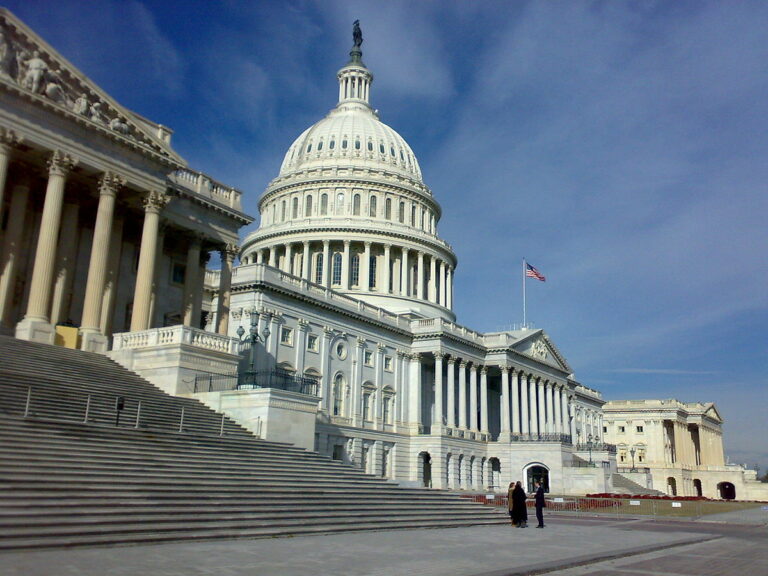
An open letter addressed to the Senate and House of Representatives called for changes to a July memo from Secretary of the Interior Doug Burgum, which called for increased scrutiny on solar project permits for projects on federal land and using Department of the Interior (DOI) resources.
Try Premium for just $1
- Full premium access for the first month at only $1
- Converts to an annual rate after 30 days unless cancelled
- Cancel anytime during the trial period
Premium Benefits
- Expert industry analysis and interviews
- Digital access to PV Tech Power journal
- Exclusive event discounts
Or get the full Premium subscription right away
Or continue reading this article for free
The letter—signed by 143 solar companies, including developers, component producers and certain manufacturers—called the memo “unduly discriminatory and unprecedented government overreach” and asked Congress to work with the DOI to revoke it.
The memo requires all solar and wind permits relating to the DOI to be approved by Burgum’s personal office. As well as projects directly deployed on federal lands, it also encompasses projects on private lands that include access or rights of way on public lands; private projects where the DOI has a consultation role, such as for wetland impacts or water crossings; and private projects where the DOI may be required to conduct assessments for things like a project’s impact on wildlife. The same checks are not required for non-renewable energy sources.
In October, Democrat Senator Catherine Cortez Masto and four other Congress members wrote to Burgum, saying they were “Concerned this memo is meant to intentionally hinder the deployment of renewable energy projects on our public lands.”
Outgoing SEIA president and CEO Abigail Ross Hopper said: “Without action to address this unequal treatment of solar energy, the industry will continue to face significant barriers to deployment and investment at a time of skyrocketing energy demand.”
SEIA recently warned that up to 500 US solar projects, with up to 116GW of combined capacity, are at risk of political disruption, as the lack of local, state and federal permit grants leave them in “limbo”.
Growing policy anxiety
After the president’s budget reconciliation bill reduced tax credit availability for renewable energy projects and imposed greater restrictions on supply chains, Donald Trump passed an executive order that added more anxiety and uncertainty in the industry, going beyond the measures agreed by Congress to tighten the new rules around starting construction at solar projects.
Energy analyst Wood Mackenzie has also warned that the US could see around 100GW less solar by 2030 than forecast under previous policies.
The open letter from the industry reiterates the argument that solar represents the cheapest and fastest way to add new US energy capacity to meet the forecast growth in demand from AI and data centres.
“To be clear, there is no question we need permitting reform,” Hopper said. “There is an agreement to be reached, and SEIA and our 1,200 member companies will continue our months-long effort to advocate for a deal that ensures equal treatment of all energy sources, because the current status of this blockade is unsustainable.”