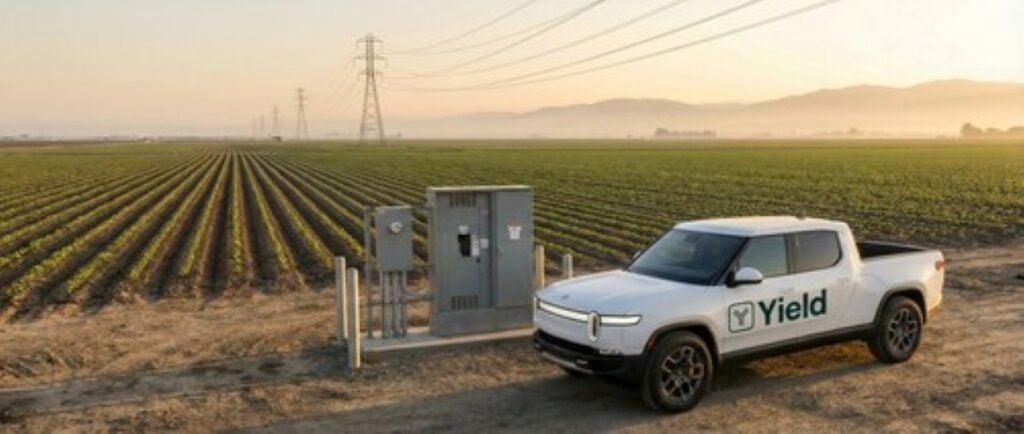
Agricultural energy flexibility provider Yield Energy has launched Yield Edge, a distributed energy resource management system (DERMS), to improve grid-ready flexibility from farms.
The platform is backed by US$3 million in funding from the California Energy Commission (CEC). It will initially focus on irrigation pumps, with plans to expand to other on-farm DERs including cold storage, EV and equipment chargers, solar arrays, batteries and on-site generation, the company said.
Try Premium for just $1
- Full premium access for the first month at only $1
- Converts to an annual rate after 30 days unless cancelled
- Cancel anytime during the trial period
Premium Benefits
- Expert industry analysis and interviews
- Digital access to PV Tech Power journal
- Exclusive event discounts
Or get the full Premium subscription right away
Or continue reading this article for free
“Agriculture has always had the potential to be one of the grid’s most powerful partners – it just needed the right tools,” said Tyler Nuss, CEO of Yield Energy.
“We’ve proven that on-farm operations can deliver reliable, grid-ready flexibility at scale. Yield connects that flexibility to the operational demands of today’s grid, creating new revenue for growers while delivering capacity that’s faster, cleaner, and far more affordable than new infrastructure.”
Moreover, the company, formerly known as Polaris Energy, has rebranded as Yield Energy. The firm said the move will unlock more than 200MW of agricultural flexibility, including over 100MW within Pacific Gas and Electric Company’s (PG&E’s) agriculture-specific hourly flex pricing pilot.
The company is working with agricultural technology partners including WiseConn, Farmblox, LUMO, Ranch Systems, SWAN Systems, Netafim and Verdi to enable pumps, sensors and automation hardware to participate automatically in demand response and other grid programmes with minimal disruption to farm operations.
According to the company, the platform has delivered 100% average demand response performance across enrolled devices, with 67% demonstrating peak-hour load-shift potential, and has enabled more than 10,000 on-farm devices.