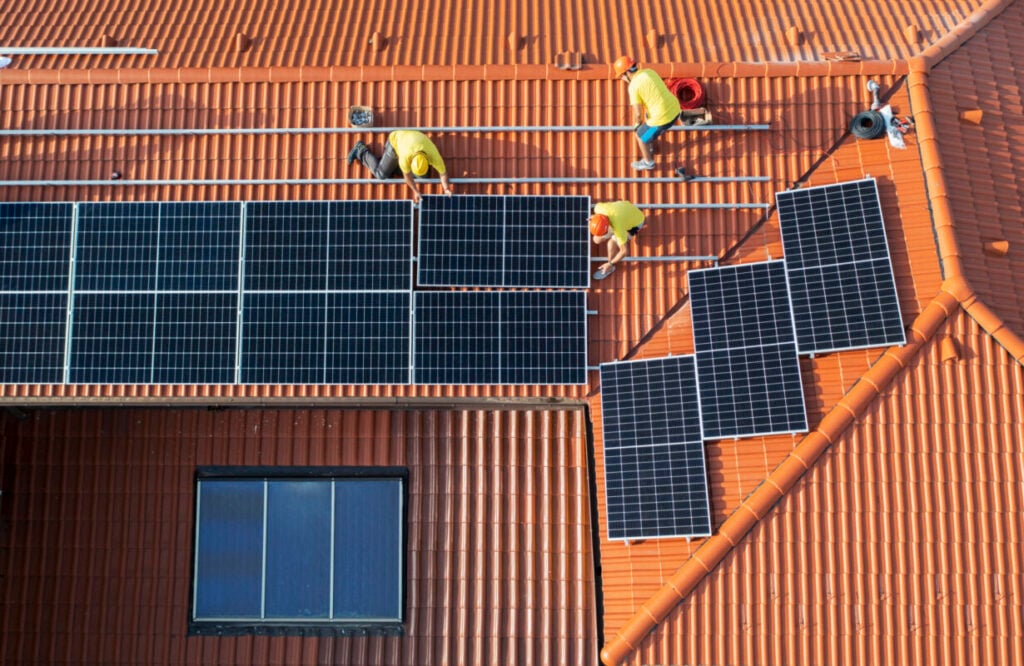
Australia’s federal government has announced it will expand the Small-scale Renewable Energy Scheme (SRES) to cover solar installations of up to 1MW, ten times the current cap, cutting the cost of commercial and industrial rooftop solar by around 20%.
Climate and Energy Minister Chris Bowen made the announcement at the National Press Club in Canberra this morning (5 August). The expansion will take effect from 1 October 2026.
Try Premium for just $1
- Full premium access for the first month at only $1
- Converts to an annual rate after 30 days unless cancelled
- Cancel anytime during the trial period
Premium Benefits
- Expert industry analysis and interviews
- Digital access to PV Tech Power journal
- Exclusive event discounts
Or get the full Premium subscription right away
Or continue reading this article for free
The SRES operates through a certificate mechanism. Installing an eligible solar system generates small-scale technology certificates, which energy companies are required to purchase.
The scheme has driven the majority of Australia’s residential rooftop solar uptake to date and is expected to operate at budget-neutral cost to the government as the expansion is delivered through the same market mechanism.
Bowen said the change would flow through to prices for goods and services.
“Lower energy costs will improve productivity and competitiveness across manufacturing, agriculture, retail, transport and logistics, with benefits flowing through to households using those goods and services,” he said.
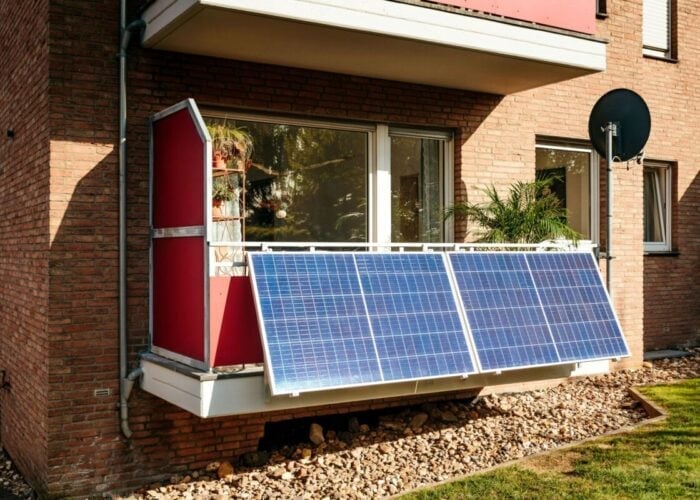
The expansion also targets medium-density housing, including townhouses and apartments, which Bowen described as the “missing middle” of Australia’s solar rollout.
“It means more regional and remote areas will have access to clean, reliable and affordable solar energy,” he said.
The phrase “missing middle” seems to be becoming somewhat of a buzzword for the Australian energy landscape. A few days ago, Australia’s Clean Energy Finance Corporation (CEFC), the federal government’s green bank, said it would target what it perceives as the “missing middle” by providing finance for mid-scale hybrid solar-plus-storage projects.
Alongside the scheme expansion, Bowen said he would ask the Australian Energy Market Commission (AEMC) to require network providers to approve commercial and industrial solar connection applications more quickly and efficiently, addressing what he described as a roadblock for businesses seeking to install larger systems.
Addressing the commercial and industrial gap
Australia’s household rooftop solar market is among the most developed in the world, with around one-third of homes now carrying modules. However, the commercial and industrial segment has lagged well behind.
Research published earlier this year by the Institute for Energy Economics and Financial Analysis (IEEFA) found that Australian businesses have deployed only 5.6GW of rooftop solar against a technical potential of between 17GW and 31GW by 2050.
The IEEFA decided to use Australia’s favourite buzzword for this, describing the segment as a “missing middle” caught between residential incentive frameworks and utility-scale support mechanisms.
Prior research has shown Australia has enough unused commercial and industrial rooftop space to supply at least 25% of its annual electricity needs, equivalent to five times the output currently provided by gas-fired generators.
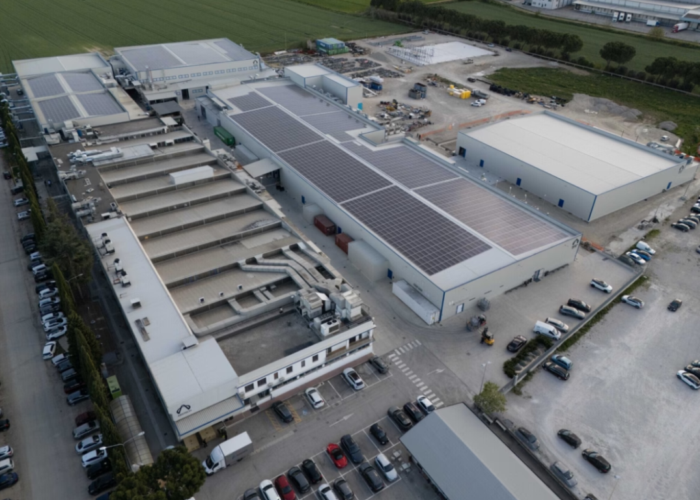
The expansion of the SRES cap to 1MW is designed to bring factory rooftops, warehouses, agricultural buildings and community facilities within reach of the scheme’s financial incentives for the first time.
The announcement follows a period of active policy activity around Australia’s solar market. The government launched the Solar Sharer Offer on 1 July, giving eligible households three hours of free electricity daily during peak solar generation, with the scheme designed to share the benefits of midday solar surplus with households that cannot access rooftop panels directly.
Compliance activity around the SRES has also been active. The Clean Energy Regulator suspended 21 solar companies from the scheme in the April to June 2026 quarter for failures, including providing false or misleading statements about installations and failing to meet ongoing obligations.
The solar generation data underpinning the policy rationale has also been strengthening.
As PV Tech reported this week, combined solar generation rebounded by 37% in July 2026 as the fleet exited its winter trough, with utility-scale output reaching its highest July level on record and year-on-year growth of 27.5%, showcasing the sustained pace of new capacity additions.