Germany has released draft proposals on its Renewable Energies Act (EEG) to cap onshore wind and PV in response to states rallying for renewable energy growth to be curbed due to rising electricity prices and unnecessary strain on the national grid.
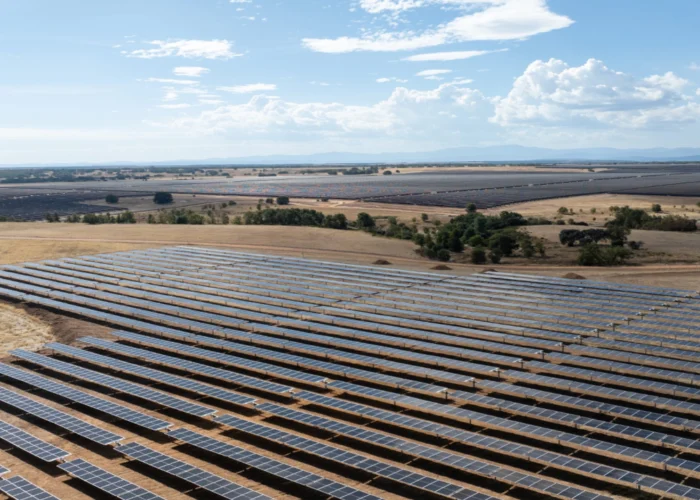
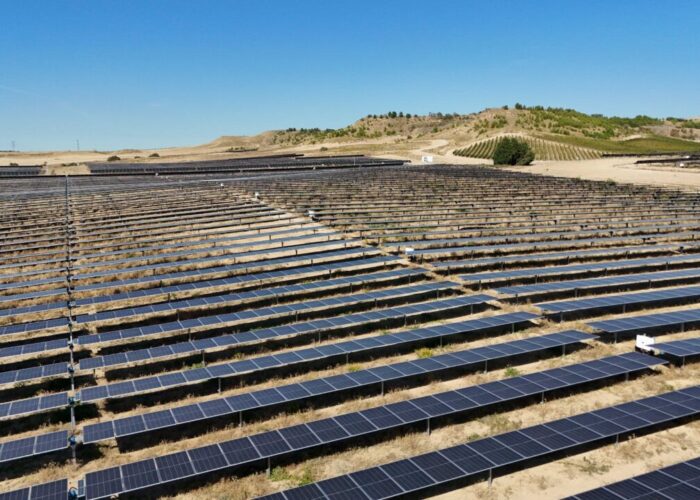
Under the plans, large solar projects will be capped at 600MW annually with systems under 750kW excluded from that quota. The proposals are the result of pressure from regional premiers.
Try Premium for just $1
- Full premium access for the first month at only $1
- Converts to an annual rate after 30 days unless cancelled
- Cancel anytime during the trial period
Premium Benefits
- Expert industry analysis and interviews
- Digital access to PV Tech Power journal
- Exclusive event discounts
Or get the full Premium subscription right away
Or continue reading this article for free
‘Energiewende’, the countrywide transition from fossil and nuclear energy to clean resources has been a bumpy ride for Germany, as the transition requires lower energy consumption through efficiency and conservation and requires that consumption to be tailored to availability. Furthermore, the transition has been met with opposition and also difficult for the country’s four main utilities to make keep up with renewables.
The transition initially began with a feed-in tariff (FiT) scheme that was succeeded by trial tenders that began last year for ground mounted PV. Germany’s inaugural solar energy auction saw “intense competition” and was a promising start for investment in the country in PV. This set the tone for the ensuing tenders; which were characterised by oversubscription and low prices.
However, earlier this month, renewable energy trade associations united to put out a joint statement criticising the move to auctions. Whilst the Federal Network Agency (Bundesnetzagentur) hailed the auctions as a success, industry groups including BSW Solar were critical of the plans to cap utility-scale PV to just 1.5GW over three years was not the right approach.
‘Energiewende’ enabled an abundance of onshore wind in the north of the country which meant that the grid was often overburdened with an excess of energy being produced and subsequently wasted. Whilst it is well-known that Germany is a front-runner in the European energy storage market, the immediate situation caused Germany’s 16 states to rally in a bid to reform renewable energy laws aimed at curbing the costs and controlling the speed of the future roll-out of green power sources. In addition, the rapid expansion to cleaner energy sources had accelerated electricity prices.

Reigning in the tremendous growth of renewables was pivotal to not only combating climbing prices and strain on the grid, but also to avoid overshooting on government targets to have renewables account for 40-45% of total electricity production by 2025.
Yesterday, a resolution was officially reached with Chancellor Angela Merkel securing the framework for a deal with state premiers. The upshot was that the government agreed to limit the expansion of onshore wind at 2.8GW annually. Furthermore, only a certain amount of new capacity will be permitted in the north.
On the solar front, an upper limit of 600MW will be placed on solar power expansion under the new reforms, with installations smaller than 750kW continuing to receive support so as not to discourage rooftop solar, according to reports.
Biomass was the only energy resource were an agreement failed to be reached. The proposals await approval from the Cabinet. The draft law is due to come into force at the start of next year.