The German Federal Network Agency, the Bundesnetzagentur, has raised the maximum tariff for solar and wind energy ahead of its 2023 tenders for renewables projects. The agency said that it hopes the raised tariffs will lead to an increase in bids for renewables projects after the process saw underwhelming results in 2022.
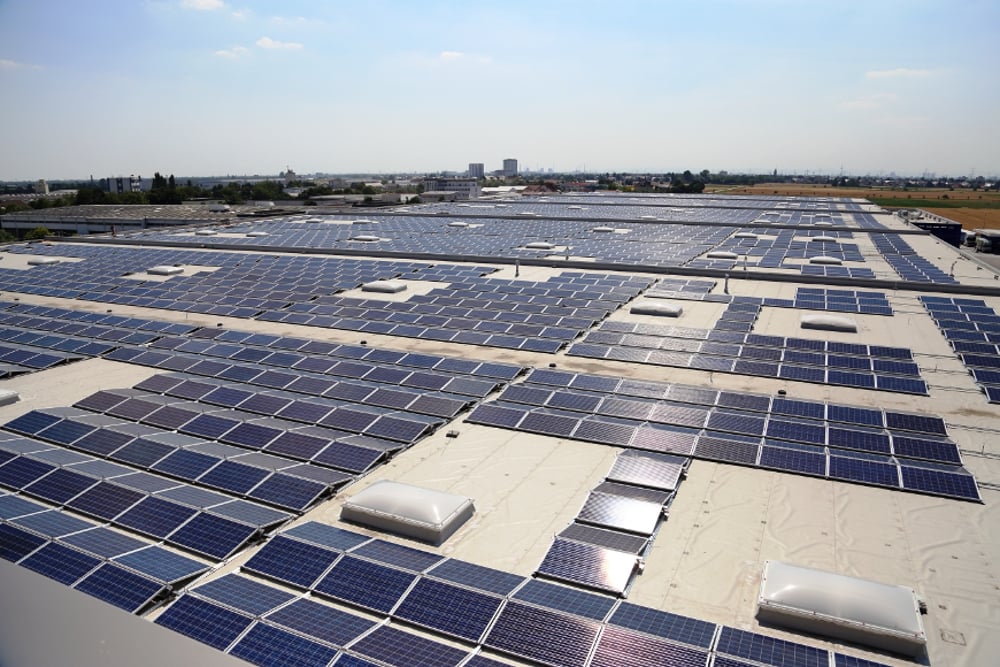
The new maximum level for rooftop solar systems will be €0.1125/kWh (US$0.12), which the agency said will account for increased costs in the construction and operation of systems, as well as rising interest costs for financing solar projects. Additionally, the Bundestag – the German federal parliament – has granted the Federal Network Agency greater license to increase the maximum value by up to 25%, where previously increases were capped at 10%.
Try Premium for just $1
- Full premium access for the first month at only $1
- Converts to an annual rate after 30 days unless cancelled
- Cancel anytime during the trial period
Premium Benefits
- Expert industry analysis and interviews
- Digital access to PV Tech Power journal
- Exclusive event discounts
Or get the full Premium subscription right away
Or continue reading this article for free
The value for onshore wind will be €0.073/Kwh (US$0.77), and the maximum for ground-mounted solar projects is currently being decided upon, the agency said.
Klaus Müller, president of the Federal Network Agency, said that he hopes the increase in maximum price will lead to an increase in the number of bids, and thus in competition in the German PV market. He said that the tender values had been calculated to allow for adequate income and stability for projects in order to meet Germany’s renewable energy expansion targets.
Germany was the highest installer of solar PV in Europe once again in 2022, according to a report by SolarPower Europe. The country has a target of 215GW of solar capacity by 2030; a PV Tech analysis with a number of key players in the German market highlighted increased tender volumes as one of the ways the country might meet that goal.
April last year saw 1.1GW of solar PV awarded in the country’s auction round, though the Federal Network Agency said that in December the number of bids for rooftop solar PV almost halved, and despite the number of tenders being reduced in advance there was still significant underfunding.
Rising prices and market volatility have seen similar stories in auctions elsewhere. Poland’s December auction awarded just 486MW of solar PV, and a Spanish auction in December ended with no solar bids awarded.
Last month the EU approved almost US$30 billion in funding for Germany’s updated renewables scheme, which aims for 80% of electricity to be produced by renewables by 2030 and climate neutrality by 2045. It also specified the need to increase the competitiveness of tenders by limiting risk and reducing costs to consumers and taxpayers.
The EU also introduced emergency legislation last year to slash permitting times for rooftop solar and installations mounted on artificial structures to no more than one month.