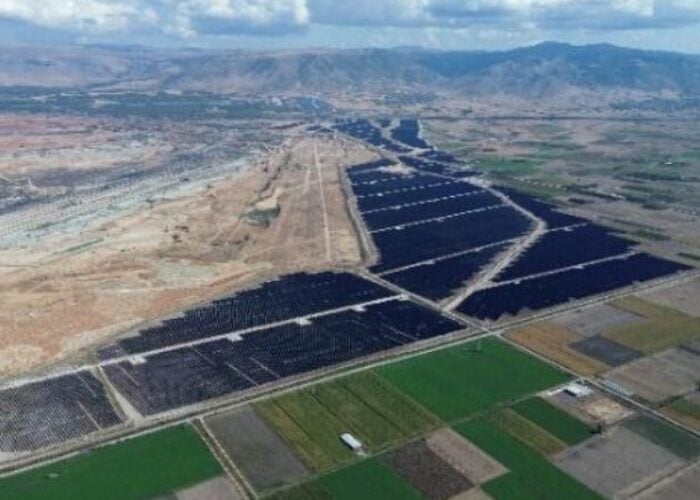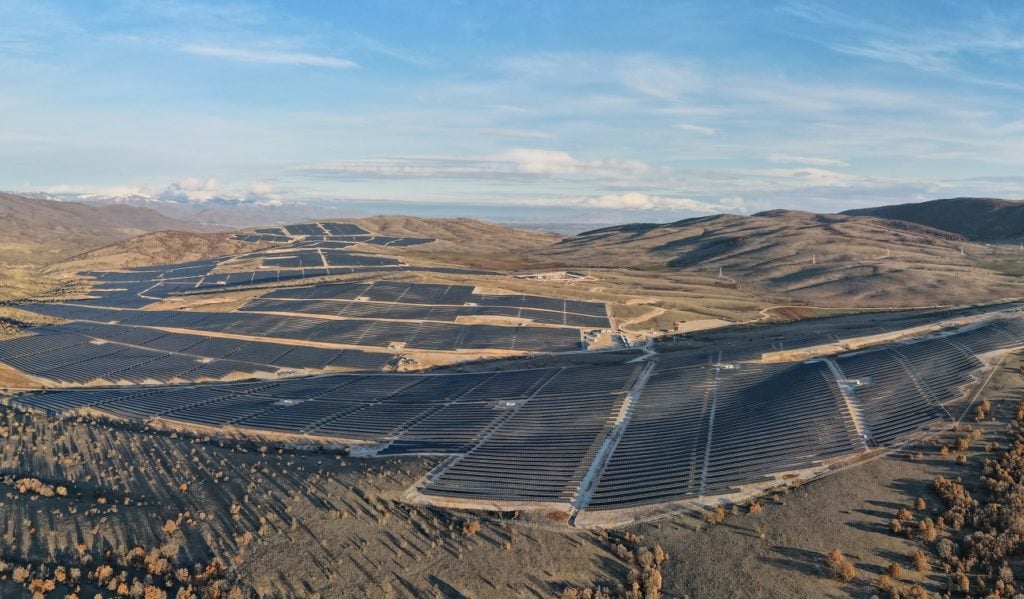
Greece was entirely powered by renewables for the first time in its history last week, according to the country’s independent power transmission operator (IPTO).
On Friday (7 October), for a period of around five hours, the country was running off entirely renewable power, reaching a record high of 3,106MWh at eight o’clock (GMT).
Try Premium for just $1
- Full premium access for the first month at only $1
- Converts to an annual rate after 30 days unless cancelled
- Cancel anytime during the trial period
Premium Benefits
- Expert industry analysis and interviews
- Digital access to PV Tech Power journal
- Exclusive event discounts
Or get the full Premium subscription right away
Or continue reading this article for free
“For the first time in the history of the Greek electricity system, the demand was covered 100% from renewable energy sources,” its IPTO wrote.
“With the interconnections implemented by IPTO on land and sea, new electrical capacity is created for even greater RES [renewable energy sources] penetration that will make our energy mix even greener in the coming years,” it continued.
Renewables made up 46% of Greece’s power mix in the eight months to August this year, according to Greek climate think-tank The Green Tank, which was up from 42% in the same period in 2021.
PV Tech Premium has previously reported how the Greek solar market is “about to take off” as the country’s PV sector benefits from rising demand for renewable offtake agreements from corporations and clean energy policies from the European Union (EU).
Indeed, the EU’s executive arm, the European Commission, has approved a €2.27 billion (US$2.56 billion) Greek scheme to support 4.2GW of installed renewables capacity in the country after assessing it in the context of EU state aid rules.
The scheme is intended to support electricity produced from various renewable energy sources including solar PV and solar-plus-storage in and outside Greece.
The country is targeting 25GW of installed renewables capacity by 2030, up from around 10GW today.