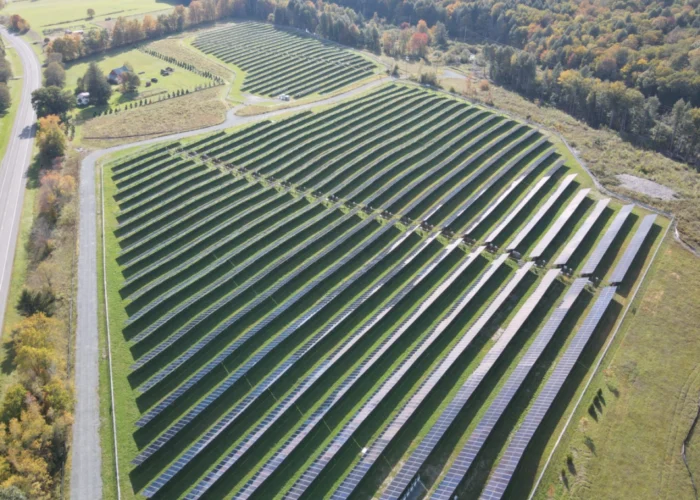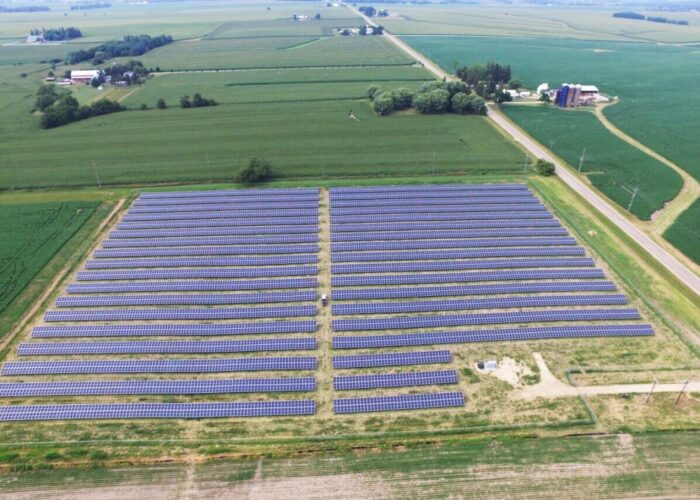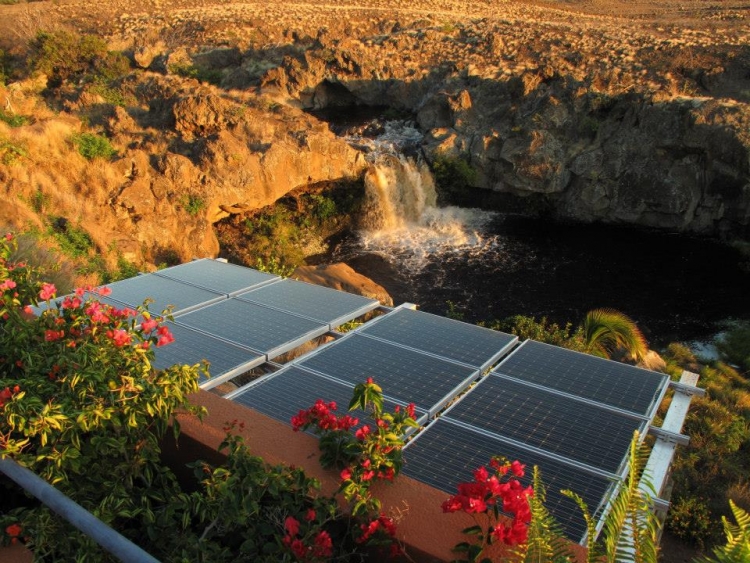
A large tranche of utility-scale solar – and storage – projects in Hawaii has been approved by the state’s Public Utilities Commission (PUC), each quoting a cost per kilowatt hour of US$0.10 or under.
In addition to setting up some of the lowest cost per kilowatt hour deals seen in Hawaii, the approvals are also notable for their scale, comprising 247MW of solar PV and 988MWh deployed in six co-located projects. Two further projects remain subject to approvals which would take the total battery storage capacity to be deployed over the 1GWh mark.
Try Premium for just $1
- Full premium access for the first month at only $1
- Converts to an annual rate after 30 days unless cancelled
- Cancel anytime during the trial period
Premium Benefits
- Expert industry analysis and interviews
- Digital access to PV Tech Power journal
- Exclusive event discounts
Or get the full Premium subscription right away
Or continue reading this article for free
Utility Hawaiian Electric issued a release at the end of last week announcing the approvals. The company claimed an “innovative new contract structure” enables the dispatch of energy from the combined solar-plus-storage systems to meet the needs of the grid at any time. In January, Energy-Storage.news reported that the proposed projects will each have four hours energy storage duration.
Due to a combination of pro-environment policies and the simple economics of generating energy on a group of sunny islands with an energy demand profile similar in some respects to other American cities on the mainland, Hawaii has been regarded as a prolific test bed for solar – and latterly storage. Hawaiian Electric said the six projects will help to protect customers from the “volatile prices of fossil fuels”.
Dispatchable solar undercuts fossil fuels on price, equals it for reliability
Fossil fuels cost around US$0.15 per kWh on the islands, making the economic case for the projects, which are on Hawaii (Big Island), Maui and Oahu, fairly straightforward. Quick approval from the PUC also enabled the developers to “meet the aggressive schedule that was set up to take advantage of federal tax credits,” Jim Alberts, Hawaiian Electric senior VP of business development, said.
Regulators are still reviewing plans for a further 12.5MW PV / 50MWh storage project in West Oahu, as well as a 15MW PV / 60MWh solar array and battery system on Maui. Meanwhile, one of the above-approved projects, Hoohana Solar 1, is to be sited on land currently designated for agricultural use and developer 174 Power Global will need to clear site control and permits, according to the PUC contract.
It’s the latest move forward into dispatchable solar with batteries in Hawaii, which has a 100% renewables by 2045 goal in place, while the Smart Electric Power Alliance (SEPA) found Hawaiian electric cooperative KIUC to be the leader among US utilities for deployment of storage in terms of watts-per-customer during 2017.