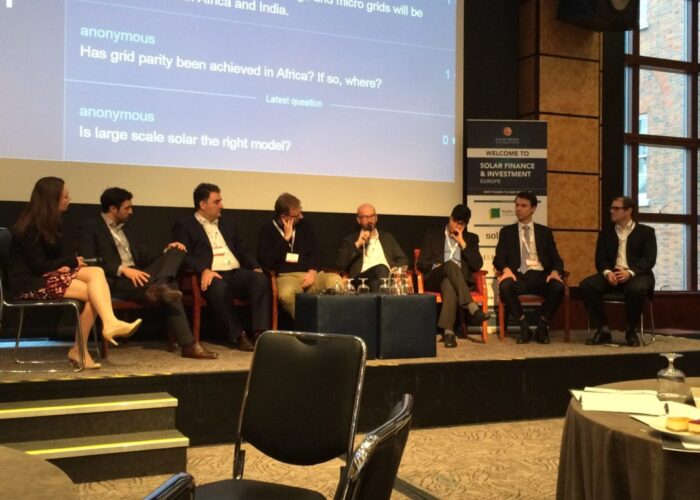
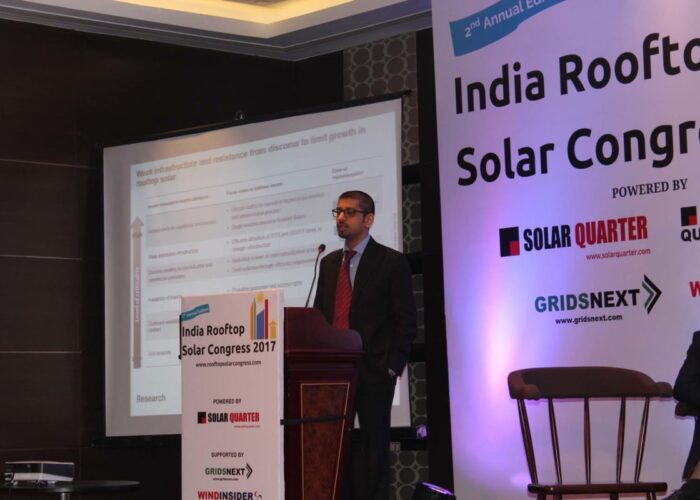
Investors from Solarcentury and Actis imparted wisdom on how to manage the risks and reap the benefits of African PV at Solar Media’s Solar Finance & Investment Europe event.
The US Department of Energy’s (DOE) SunShot has announced a new US$30 million for solar integration projects, as the initiative is in hot water after president Trump indicated plans for its closure.
Arizona Public Service’s (APS) prior recommendation to introduce a rate hike to the amount of US$166 million annually alongside a mandatory demand charge for solar users, has been met with significant opposition.
This week's segment mainly focuses on career moves in the US - featuring some of the nation's biggest energy players, including SunPower, NEXTracker and the SEIA. There is also news from key energy agencies including the IEA, FERC and the New York PSC.
Taiwan state-owned utility Taiwan Power Co. (Taipower) has delayed plans to commission 500MW of solar by 2020 by two years, now scheduling 300MWp of that solar to be online by 2022.
The battle between South Africa’s utility Eskom and renewable independent power producers (IPPs) continues with legal confirmation that IPPs can force Eskom’s hand to force it to sign the power purchase agreements (PPAs) under the government’s procurement programme.
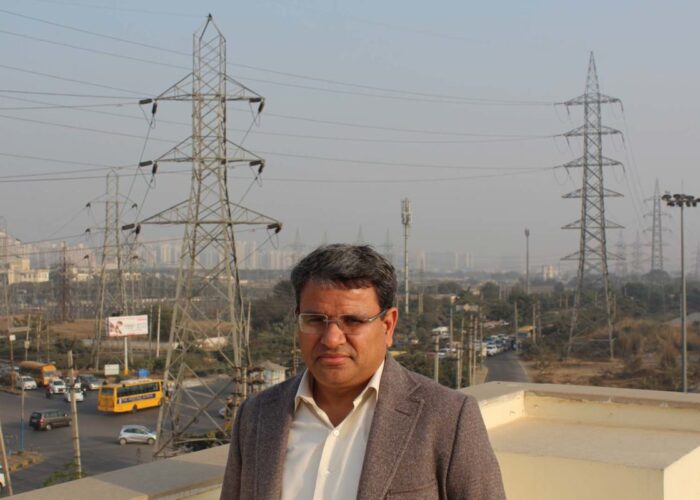
Plenty of naysayers have warned about unrealistic bidding and various delays damaging the Indian solar sector, but the head of ACME Solar, one of the largest developers India, approaching 1GW of installed capacity, has a very positive outlook on the industry's future. PV Tech caught up Manoj Kumar Upadhyay, the founder, chairman and managing director of ACME Group at the company offices in Gurgaon, New Delhi, to discuss delayed PPAs, transmission infrastructure, the approaching Goods and Services Tax (GST) Bill and a unique point of view on India's Ultra Mega solar power parks.
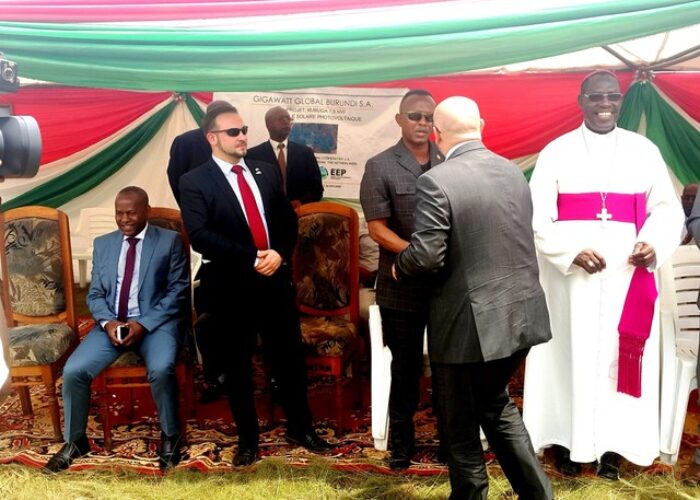
Gigawatt Global, a multinational renewable energy company and partner of Obama’s Power Africa initiative, has broken ground on its 1GW solar programme with the 7.5MW solar project in Burundi.