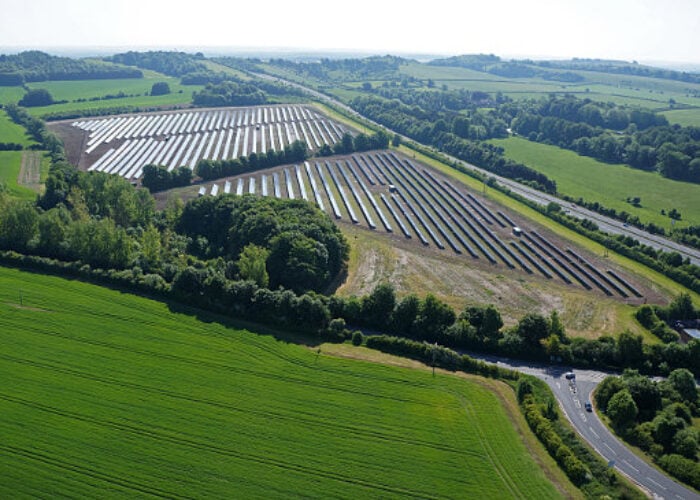
Spain’s Court of Arbitration has ruled against two companies who filed a lawsuit against the Kingdom of Spain over reforms to the PV sector made in 2010, according to a statement from the Spanish Ministry of Industry.
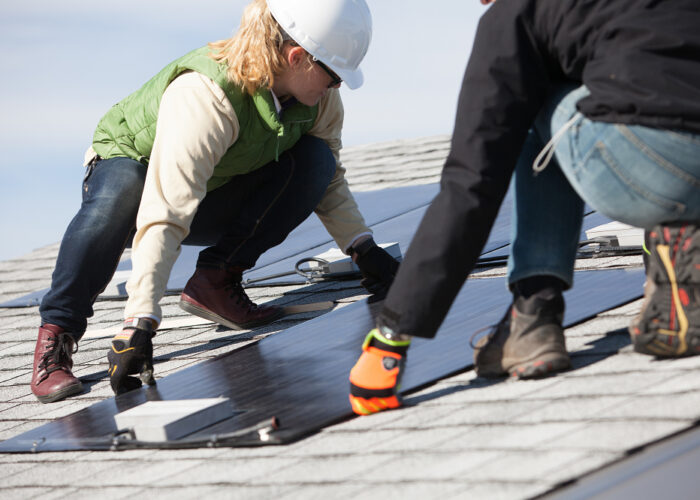
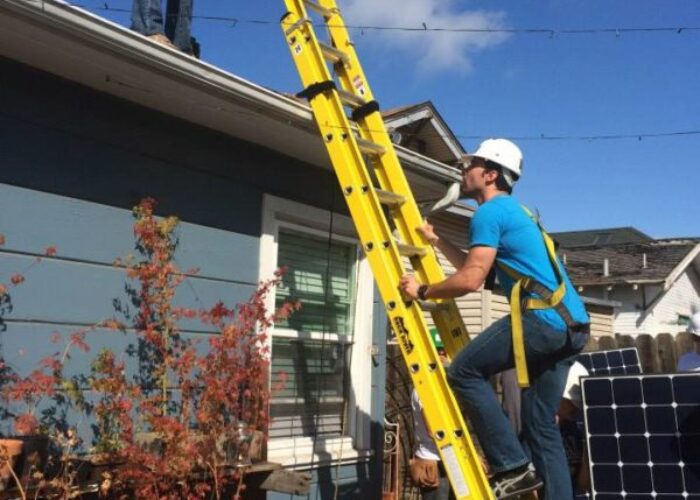
The need for solar to find new ways of staying competitive in the US is increasing as a the pace of hardware cost reductions slows. Ben Willis looks at efforts going on to tackle some of the persistently high soft costs involved in US solar development
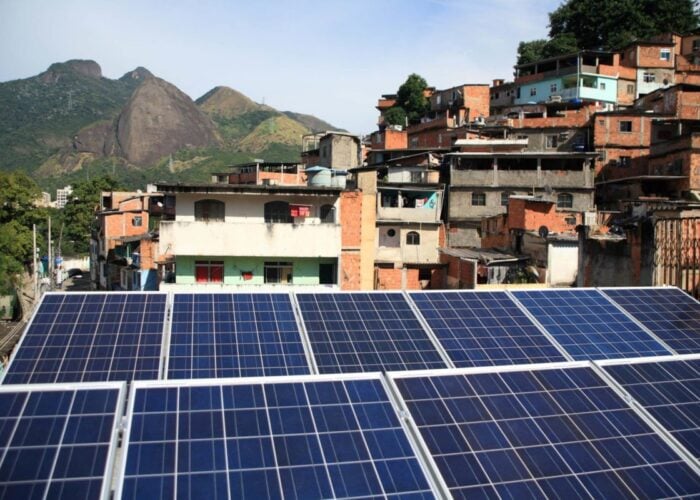
Distributed generation connections in Brazil, which are dominated by solar technology, grew 308% in 2015, according to new figures released by Brazil’s energy regulator the National Electric Energy Agency (ANEEL).
2015 was a landmark year for the Indian solar industry, with the 100GW by 2022 target approved and a significant ramp up of deployment. Bridge to India's Jyoti Gulia discusses the challenges ahead regarding project delays, transmission infrastructure and financing.
Developers in India have failed to install 680MW of solar PV projects that were due to be commissioned by December 2015 because of project delays, according to consultancy firm Bridge to India.
Multinational developers are winning solar projects in India by bidding at extremely low tariffs to make a beginning in the Indian market, but with little appetite to bid at the same low levels again, according to a prominent industry figure.
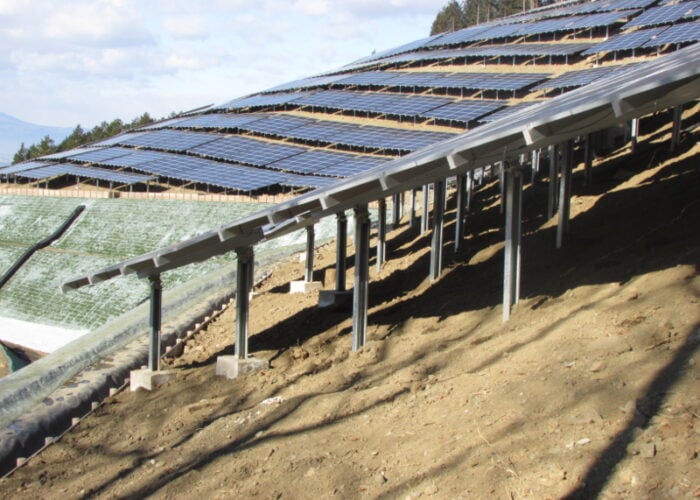
Developers in Japan with large-scale PV projects in the pipeline have been given just over a year to prove their projects will go ahead, or will lose their feed-in tariff (FiT).
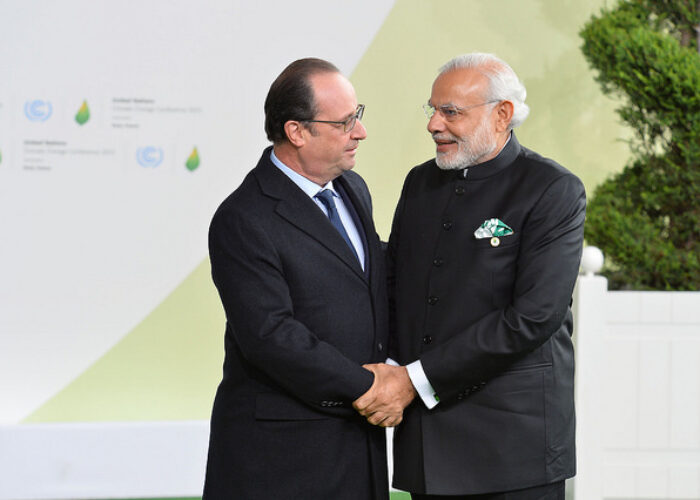
France has pledged a €300 million contribution to the International Solar Alliance, the climate change-driven initiative to promote solar, backed by more than 120 countries.