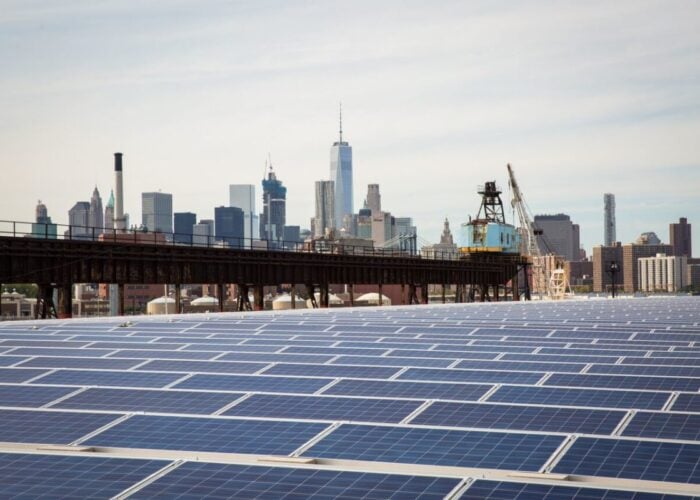
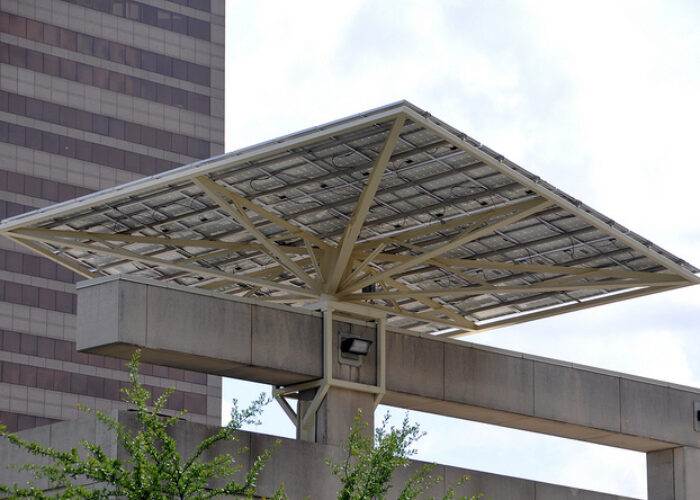
New solar array at Brooklyn Navy Yard is one of the largest in the city, and jump-starts New York's mission to hit new targets of 1,000MW of solar capacity by 2030.
New York City expands its target for solar power capacity, and sets new goal for energy storage, as mayor Bill de Blasio claims capacity from renewables has quadrupled on his watch.
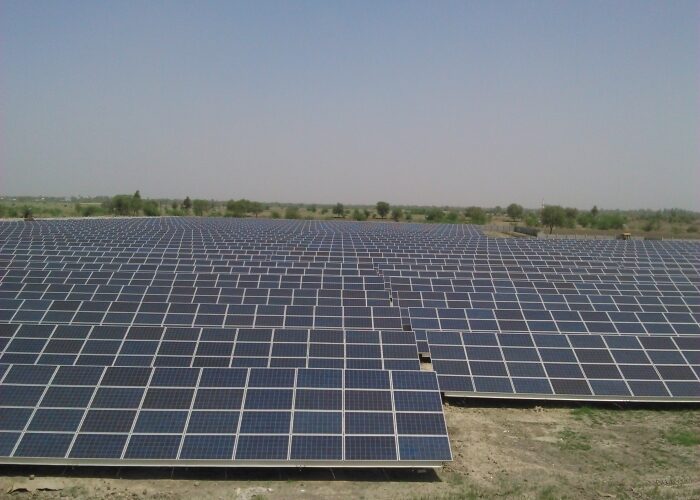
India’s first major utility-scale tender for solar PV combined with energy storage in the state of Andhra Pradesh has been put on hold due to the cap on tariffs being too low.
In this week's segment, PV Tech reports on energy storage in Australia, acquisitions in India, and policy-makers in the US, in a round-up of the most dynamic employment stories over the last fortnight.
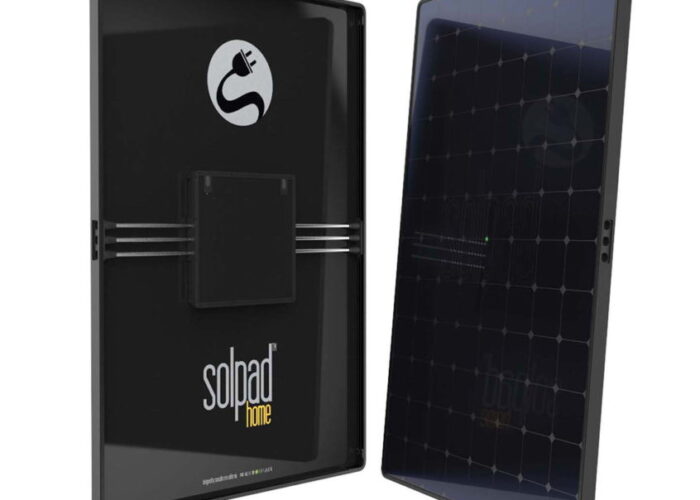
A US-based start-up SunCulture Solar has come out of stealth mode and launched a potentially game-changing fully-integrated residential and off-grid solar system that really is ‘plug and play.’
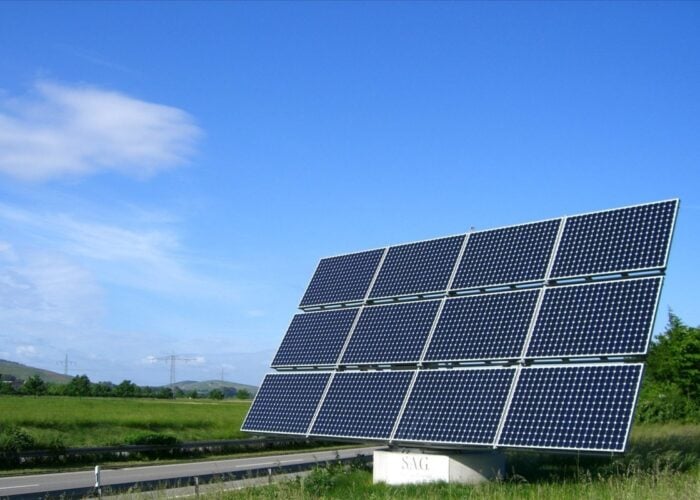
A US-based start-up SunCulture Solar Inc. has come out of stealth mode and launched a potentially game-changing fully-integrated residential and off-grid solar system. ‘SolPad’ Home combines multiple patented technologies into a single device, including breakthrough solid-state battery technology, an innovative inverter system and intelligent software to enable real ‘plug and play.’ This is the only PV system in existence that provides complete integration of energy storage, management and high-efficiency solar cells.
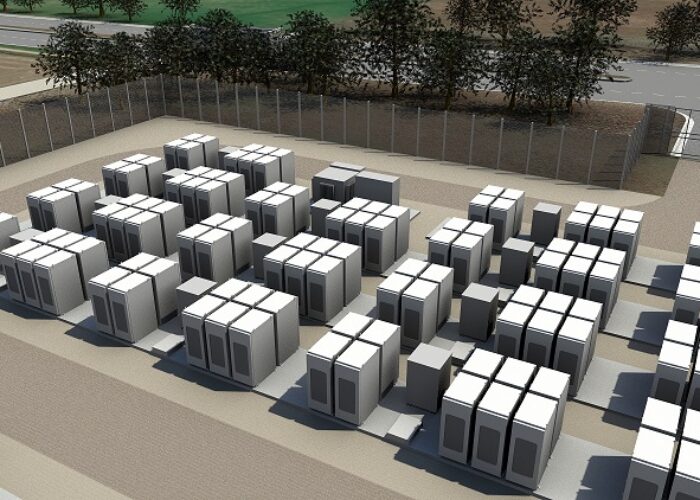
The first grid scale installation of the Tesla Powerpack system in Europe has been completed in the UK by Camborne Energy Storage and is set to provide ancillary services to the National Grid.
The US Trade and Development Agency (USTDA) has awarded a grant to SolarReserve South Africa to advance their ‘Urban Solar Farms’ initiative in South Africa.
The Indian state of Andhra Pradesh has set its Renewable Purchase Obligation (RPO) at 12.75%, more than 50% higher than the targets set by the Central Government.