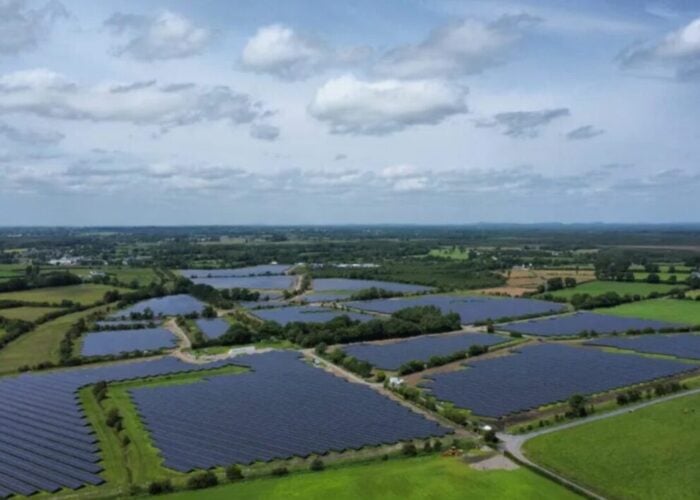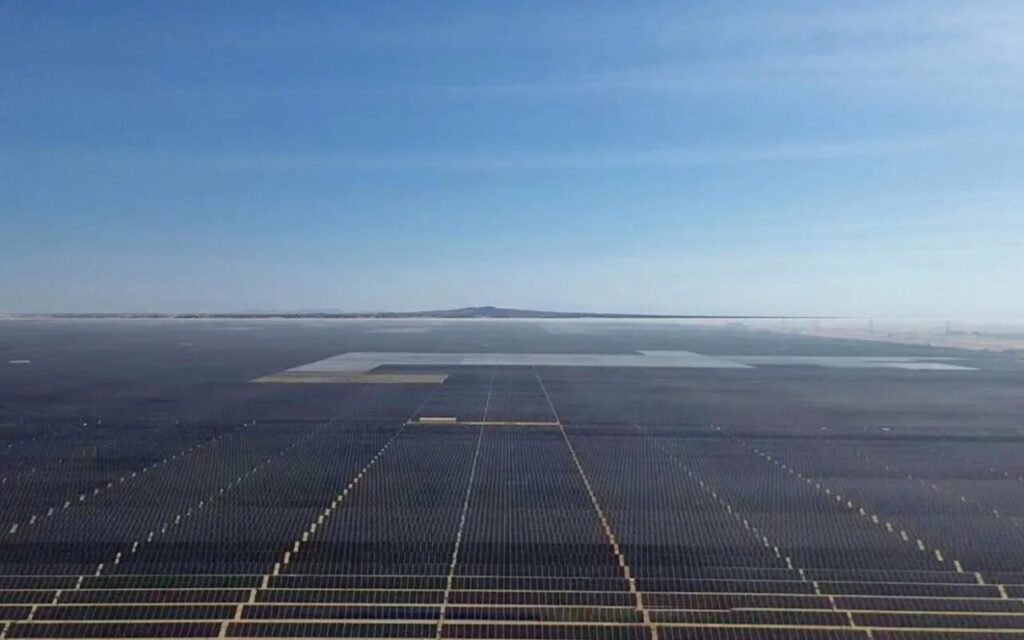
The world added 510GW of new solar PV capacity in 2025, the most of any electricity generation source, as global cumulative renewable energy capacity now exceeds 5,000GW.
This is the key takeaway from ‘Renewable Capacity Statistics 2026’, the latest in a series of annual reports from the International Renewable Energy Agency (IRENA). Of the 5,149GW of renewable energy capacity in operation as of the end of 2025, solar accounted for 2,391GW, the most of any energy source and almost double the 1,291GW of wind capacity in operation.
Try Premium for just $1
- Full premium access for the first month at only $1
- Converts to an annual rate after 30 days unless cancelled
- Cancel anytime during the trial period
Premium Benefits
- Expert industry analysis and interviews
- Digital access to PV Tech Power journal
- Exclusive event discounts
Or get the full Premium subscription right away
Or continue reading this article for free
Renewable energy, more broadly, was the driving force behind new electricity generation capacity in 2025, accounting for 85.6% of all new energy capacity additions. Solar, and solar PV in particular, were key contributors to this change.
The IRENA report notes that solar PV accounted for 510GW of the 511GW of solar added in 2025. The other 1GW was concentrated solar. Solar as a whole accounted for 75% of the 692GW of new renewable energy capacity additions made last year.
“This impressive, consistent growth reflects the strength of the economic case for the energy transition; the competitiveness and resilience of renewable power have pushed additions to new records almost every year since the turn of the millennium,” wrote IRENA director-general Francesco La Camera in his foreword to the report.
However, he noted that “significant disparities” remain in deployment, highlighting that China, the US and the EU accounted for 79.5% of new renewable energy capacity installed in 2025. Considering the scale of solar capacity already in operation in these regions—as illustrated in the graph below, where China alone accounted for half of the world’s operational solar capacity at the end of 2025—the world’s solar deployments are becoming increasingly concentrated in a few parts of the globe.
There is encouraging growth in some parts of the world, however, and IRENA draws attention to the Middle East, in particular, as an example of a region with significant growth in renewable energy capacity. The region’s renewable additions increased by 28.9% year-on-year in 2025, with more than 12GW of new solar capacity installations between 2024 and 2025.
This is the most new solar capacity that has ever been added in the region in a year, and means that the operational solar capacity in the Middle East has increased by almost 24 times since 2016.
Saudi Arabia, in particular, has been a driver of this change, boasting 11.9GW of cumulative operational solar capacity, and having added more than 5GW in 2024. Earlier this year, Egyptian firm Elsewedy Electric commissioned a 349MW solar PV project in the country, and the Saudi Arabian solar sector has benefitted from agreements with overseas players, including US tracker manufacturer GameChange Solar and the Turkish government.