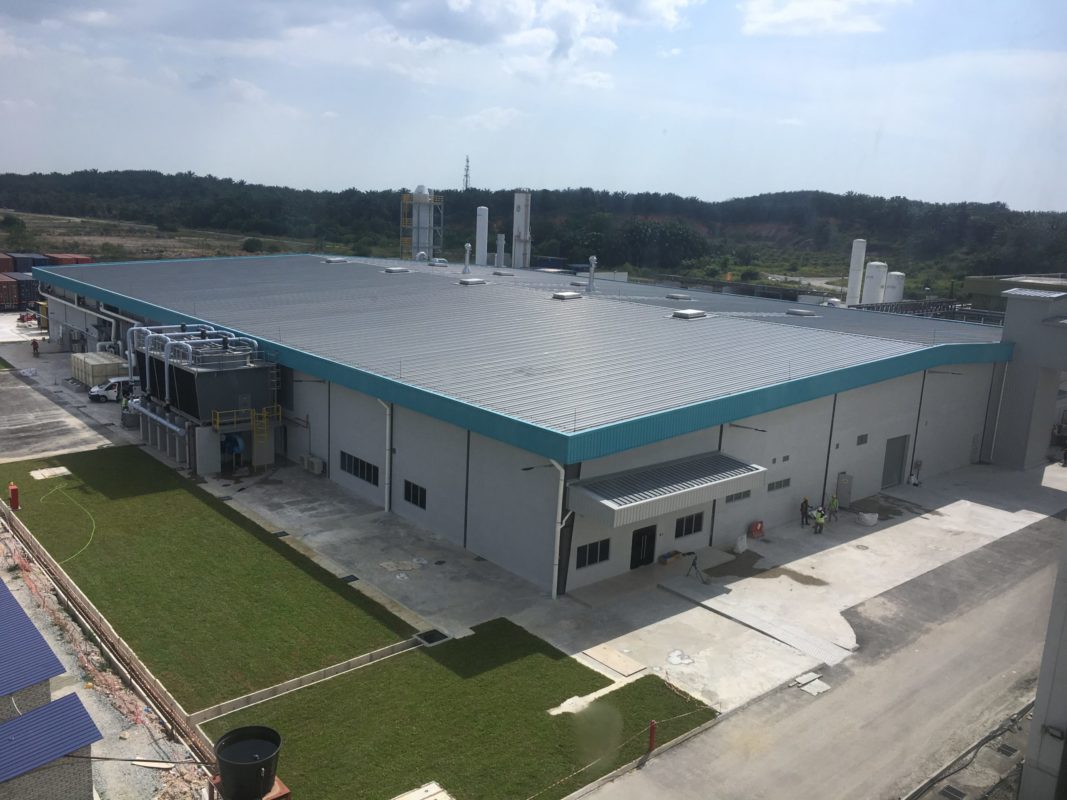
US-based wafer producer 1366 Technologies and ‘Silicon Module Super League’ (SMSL) member Hanwha Q CELLS are taking a major step forward in their long-standing R&D collaboration by establishing a volume production facility in Malaysia for 1366 Technologies ‘Direct Wafer’ technology.
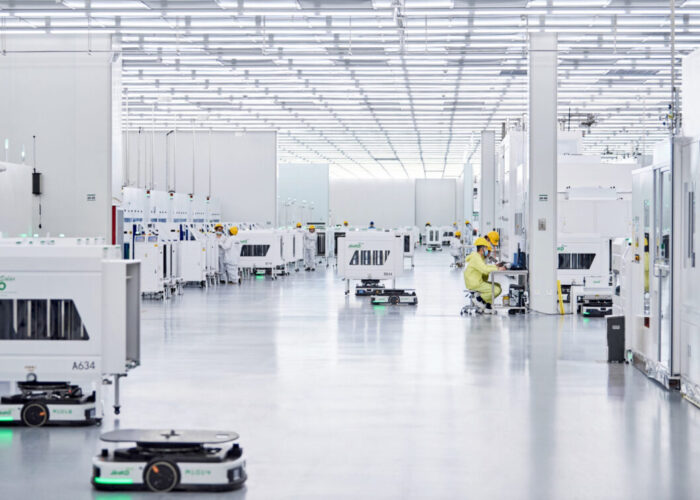
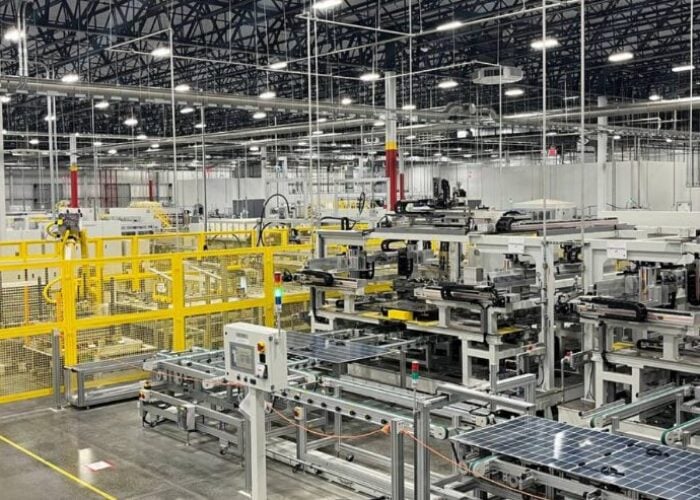
1366 Technologies said the first Direct Wafer Factory was nearing completion and adjacent to Hanwha Q CELLS' existing cell and module manufacturing facilities in Cyberjaya, Malaysia. The new wafer production plant is expected to ramp no later than the third quarter of 2019.
Try Premium for just $1
- Full premium access for the first month at only $1
- Converts to an annual rate after 30 days unless cancelled
- Cancel anytime during the trial period
Premium Benefits
- Expert industry analysis and interviews
- Digital access to PV Tech Power journal
- Exclusive event discounts
Or get the full Premium subscription right away
Or continue reading this article for free
Ji Weon (Daniel) Jeong, CTO of Hanwha Q CELLS commented, “At the heart of Hanwha Q CELLS' global leadership is the pursuit of innovation and the exploration of new methods and technologies that can deliver the most value to our customers. In line with this commitment to customer value, Direct Wafer technology will innovate the manufacturing process and, as a result, the quality of the products manufactured.”
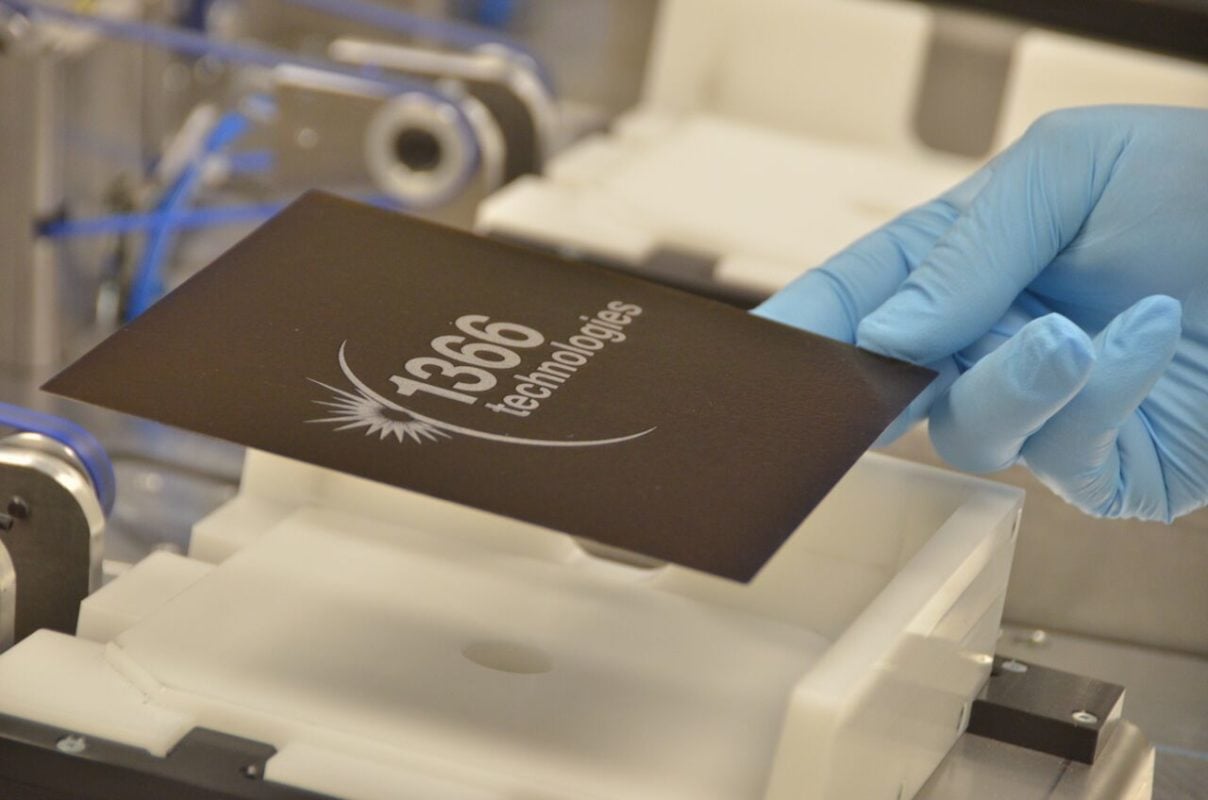
The partnership are also working to accelerate the development of 1366 Technologies ‘3D Wafers,’ which are thinner than standard 180 micron thick wafers in certain controlled regions, while having thicker boarders to limit breakage, while boosting cell performance.
The companies are targeting lower silicon utilization to be less than 1.5g/W to create a cost position believed to unattainable with conventional ingot-based production methods and production costs of less than US$0.20 per wafer piece (unit).
“2018 has been filled with extraordinary accomplishments, added Frank van Mierlo, CEO, 1366 Technologies. “We have moved rapidly to fill the void in a wafer manufacturing industry that leaves little room for innovation and ignores the strategic potential of the solar cell's most expensive component. We are thrilled to take this next step with Hanwha Q CELLS. It is a major milestone in a partnership already recognized for its numerous achievements.”
The plans, subject to meeting key performance criteria is to move forward with a multi-GW-scale production facility.