US solar frame manufacturer Origami Solar has commissioned a new steel frame production line in Arkansas, US. The announcement comes just days after the White House announced a 25% flat tariff on steel and aluminium imports to the US.
Origami’s fully automated production line is installed at the Benton, Arkansas facility of US steel manufacturer Priefert Steel, in collaboration with robotics company DAC Robotics.
Try Premium for just $1
- Full premium access for the first month at only $1
- Converts to an annual rate after 30 days unless cancelled
- Cancel anytime during the trial period
Premium Benefits
- Expert industry analysis and interviews
- Digital access to PV Tech Power journal
- Exclusive event discounts
Or get the full Premium subscription right away
Or continue reading this article for free
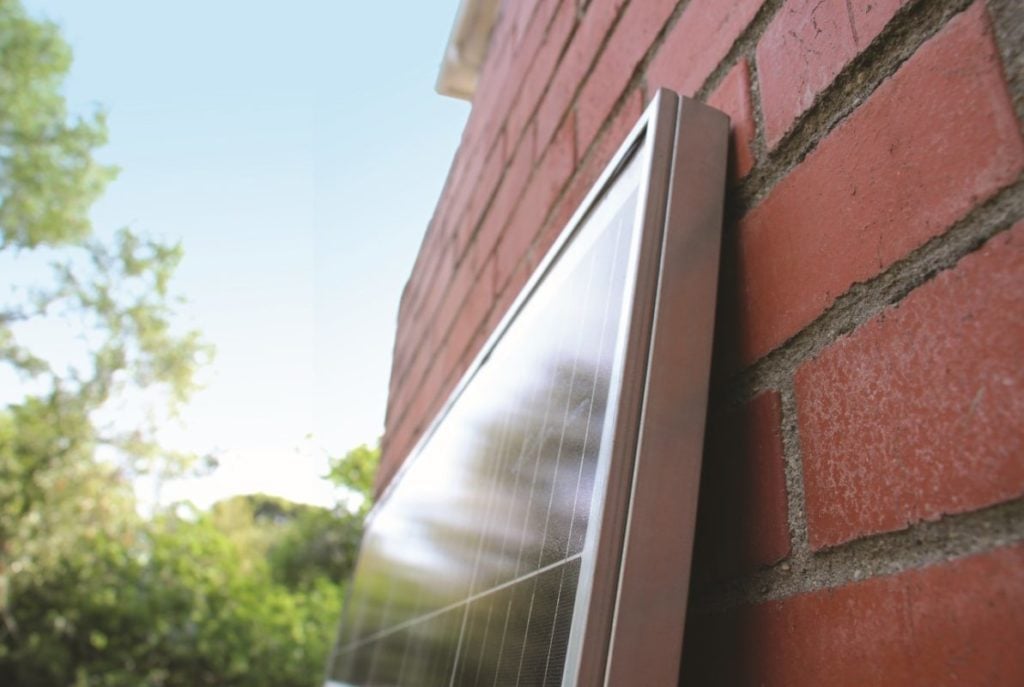
The company framed its steel products as a more secure and reliable alternative to the industry standard aluminium frames. Many aluminium frames are imported to the US, and Origami claims that US-made aluminium frames are more expensive to produce than their steel counterparts.
CEO Gregg Patterson said: “By partnering with best-in-class companies like Priefert Steel and DAC Robotics, we are not only producing a superior frame but also building a scalable and de-risked domestic supply chain.
“Delivering cost-effective steel module frames leverages a robust and ready US steel manufacturing industry, creates jobs, and enhances the security and reliability of the solar supply chain.”
Domestic supply wards against steel tariffs
Origami has signed US steel supply deals with Welser Profile and Unimacts, as well as Priefert Steel, to support its domestic expansion plans. A number of other US-based solar component manufacturers have established domestic steel supply, particularly in the tracking and racking sectors in companies like Nextracker and Array Technologies.
The existing relationship between the steel and solar industries could lessen any potential impact which the Trump administration’s 25% tariffs could have on the country’s solar industry.
In comments to PV Tech, Origami Solar COO Mike Gray said: “US steel suppliers already supply the bulk of tracker and racking components for the US solar industry today. Frames are another simple step in the same direction. The domestic steel industry has both the capacity and capability to supply a growing US solar market with cost-effective steel frames.”
As a steel frame producer, Origami also claimed that the tariffs would have a more severe impact on aluminium products, though the extent of this impact is unknown:
“US module manufacturers import the vast majority of aluminum frames from SE Asia,” Gray said, “Tariffs will increase the aluminum frame cost but unlikely by the full 25% of the tariff. How much is anybody’s guess. Overall demand, shipping costs and currencies play a major role. A strong USD can mitigate tariff cost price increases.”
However, he said that: “Tariffs by their nature are inflationary. This round of tariffs can potentially increase the domestic price of goods. Either the importer of record will pay their tariff and pass on that price increase or domestic producers will adjust prices as demand increases.”
PV Tech is hosting a webinar with Origami Solar at 16:00 GMT on 19th February. More information can be found here.