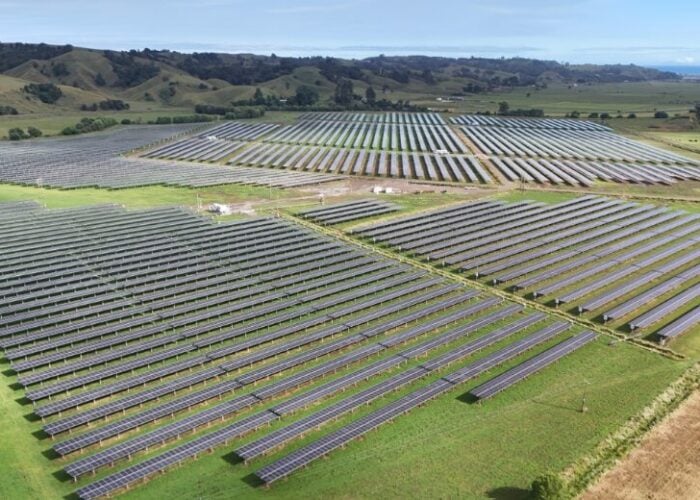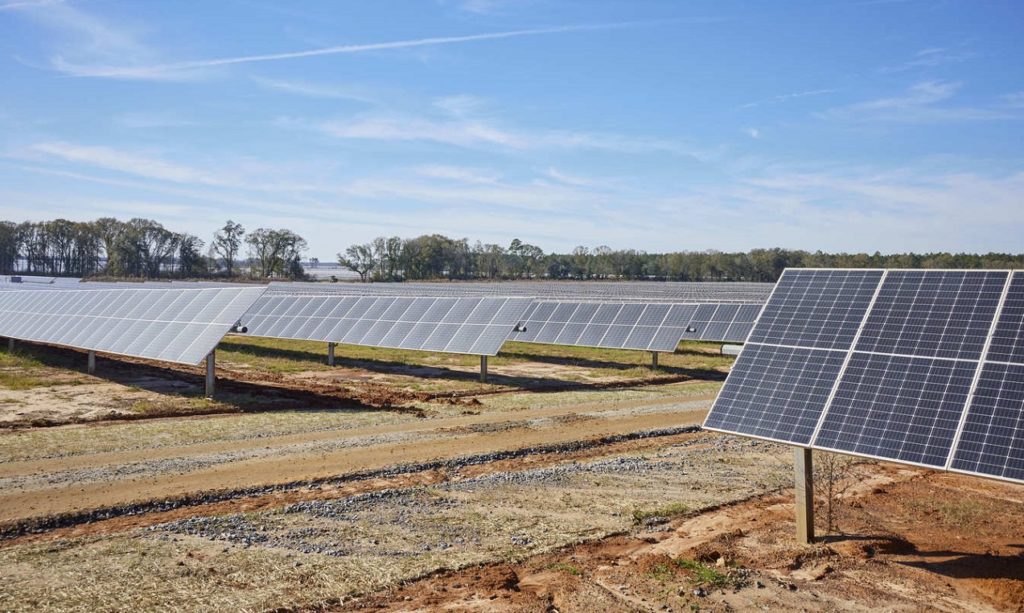
German utility RWE will offer profits to municipalities where one of its wind or solar farms is located as part of an expansion of the German Renewable Energies Act (EEG).
Commencing from 1 January 2023, the move will see German municipalities able to receive €0.002/kWh of energy produced by RWE installations within their boundaries. Until now, only municipalities in which wind power had been installed since January 2021 were able to benefit, but the amendment widens the scope to include any active renewable energy project.
Try Premium for just $1
- Full premium access for the first month at only $1
- Converts to an annual rate after 30 days unless cancelled
- Cancel anytime during the trial period
Premium Benefits
- Expert industry analysis and interviews
- Digital access to PV Tech Power journal
- Exclusive event discounts
Or get the full Premium subscription right away
Or continue reading this article for free
“A clean and secure electricity supply needs the expansion of renewable energies. The prerequisites for this are areas for wind and solar plants as well as the acceptance of the local residents – also for existing projects,” said Katja Wünschel, CEO of onshore wind and solar at RWE Renewables Europe and Australia.
“If we give municipalities a financial share of the profits from renewable energy plants, everyone will benefit. The voluntary municipal levy can help to accelerate the energy transition.”
RWE said that the EEG is a good opportunity to increase solar and wind acceptance in local communities, and those with more powerful, modern plants will reap greater benefits. The scheme is voluntary, subject to subsections of the Renewable Energy Sources Act, 2023.

Earlier this year, RWE issued a huge €2 billion (US$2.07 billion) green bond to pursue solar and wind projects in Europe and other markets. Shortly before, in March, its CEO said that renewables deployment should be a top priority for policymakers in light of the war in Ukraine.
In May, the EU scaled up its REPowerEU scheme, and recently fast-tracked solar permitting and deployment with an emergency regulation.