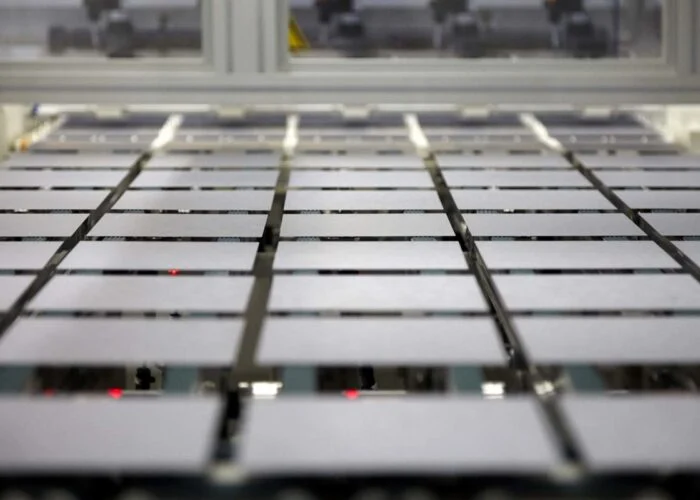
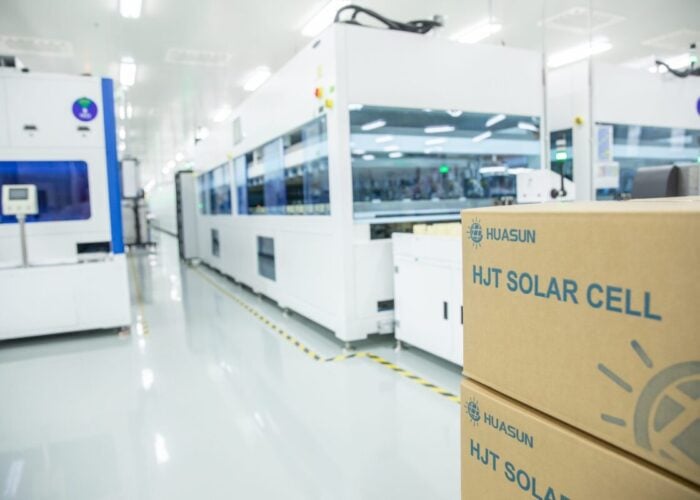
Efficiency gains and productivity improvements are set to dominate the PV manufacturing landscape again in 2018, with strong investments continuing to flow into existing and new cell architectures, with gigawatt-level status now becoming the norm for the manufacturing segment, writes Finlay Colville.
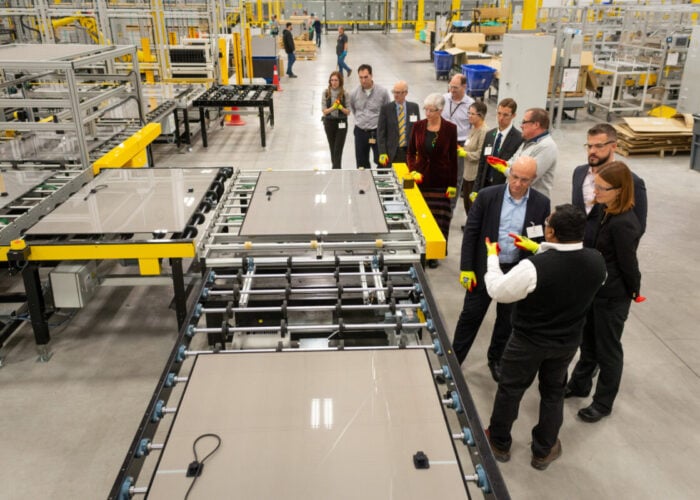
When manufacturing capacities moved from megawatt to gigawatt ten years ago, the concept of having a fully-integrated and automated production site was widely accepted to be the most economical, Finlay Colville examines whether this is truly the case.
With many of the top-20 module suppliers to the solar industry now having multi-GW shipment volumes, attention has turned firmly to assessing metrics that companies can use to benchmark the quality and reliability of shipped products against their competitors.
Global environmental and industrial analysis firm Vaisala said it was expanding its solar sector operations in India due to demand with plans to double its workforce in the country by the end of 2017.
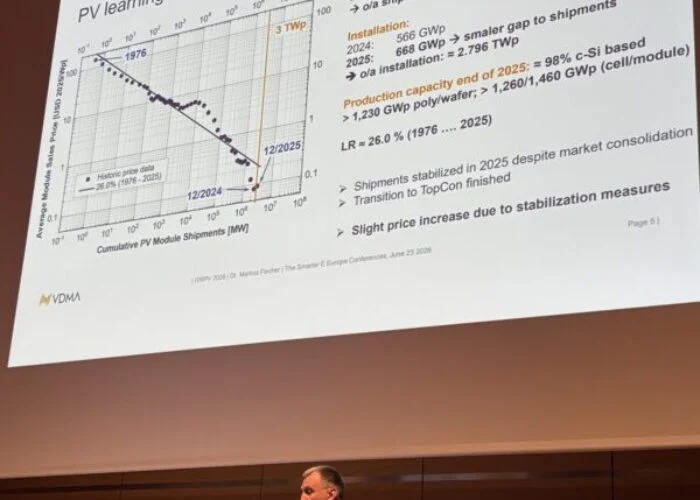
The solar industry is set to reach annual demand at the 100GW level much earlier than has been forecast by both third-party observers and the leading component suppliers. During 2018, the solar industry is shaping up to ship more than 100GW of solar modules during the calendar year, while 2017 alone will see the number exceed 90GW comfortably.
Mobisol has secured funding from Finnfund for its East Africa expansion, CEFC's investment commitments more than doubled last fiscal year, Acciona is supplying renewable energy to Latin America's largest retail store chain, Sungrow has supplied inverters and an energy storage system to the Bahamas.
In its tenth year of organisation, the Intersolar AWARD proceedings reflected a niche but high-profile sector of the downstream PV industry, floating solar. The coveted prize in the ‘Photovoltaics’ category went to project developer Ciel & Terre International, regarded as a pioneer of floating solar with around 43 projects completed.