In the face of rising materials costs and natural disasters impacting output, solar manufacturers should heighten their focus on insurance placement to protect against large losses, a Chinese insurance broker has told PV Tech.
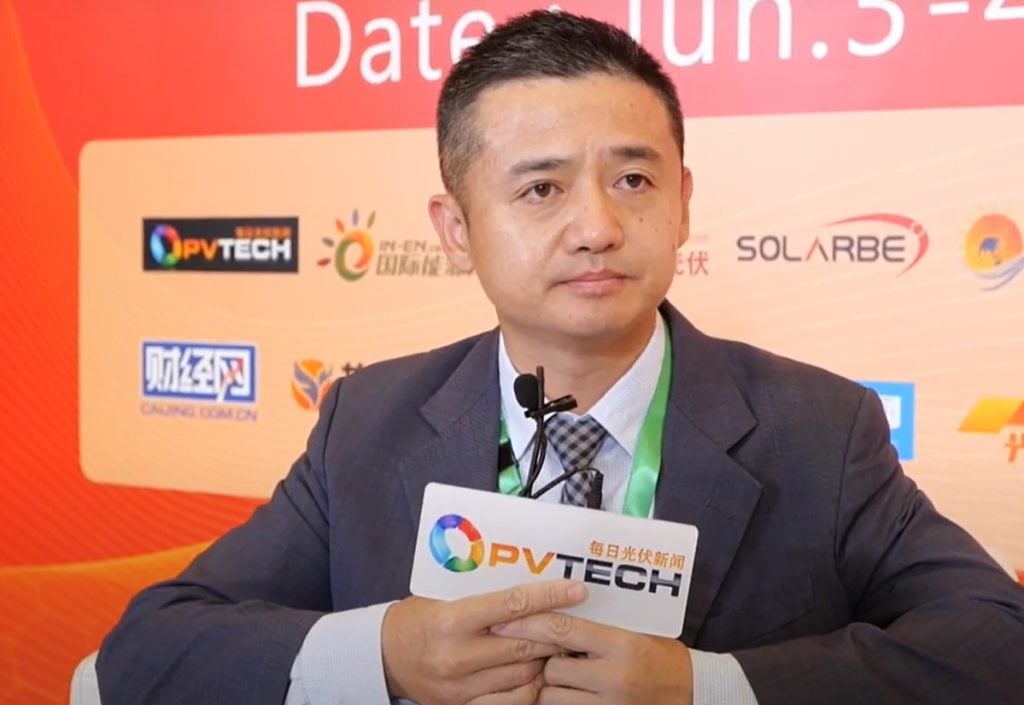
Speaking to PV Tech at last week’s SNEC PV Power Expo 2021, Leo Xiang, general manager of Jiang Tai Insurance Brokers’ energy department, called on industry players to choose Tier 1 insurers and review their current policies and terms.
Try Premium for just $1
- Full premium access for the first month at only $1
- Converts to an annual rate after 30 days unless cancelled
- Cancel anytime during the trial period
Premium Benefits
- Expert industry analysis and interviews
- Digital access to PV Tech Power journal
- Exclusive event discounts
Or get the full Premium subscription right away
Or continue reading this article for free
“A lot of our customers, they focus much on the price but some of them might neglect the terms and conditions in case of big catastrophe clause[s], so this is one thing they need to pay much attention to, that is the special provisions and clauses which may help them to get their money back,” he said.
Leo Xiang said that while the soaring price of polysilicon has heavily impacted downstream players, wafer and cell manufacturers can get special insurance that offsets this price rise and indemnifies them in case of component supplier problems.
The full interview can be viewed below.
Recent rises in the spot market price for polysilicon have led to wafer and cell manufacturers in China such as LONGi and Tongwei increase their prices, adding to disruption caused by earthquakes last month that impacted plants owned by wafer suppliers LONGi and Zhonghuan Semiconductor. Dany Qian, VP at JinkoSolar, said in April that the solar industry was approaching a “crisis” due to factors impacting supply and demand that companies were struggling to keep up with.
During the SNEC event, Leo Xiang said there were calls from industry executives to coordinate the whole solar sector, including both upstream and downstream players, to help resolve the issue of rising materials prices.