The strength of the Inflation Reduction Act (IRA) is dependent on other implemented policies, according to Giovanni Bertolino, head of 3Sun USA.
The implementation of other policies and tariffs such as the Uyghur Forced Labor Prevention Act (UFLPA), Section 201 or Section 301 in the US, have been catalysts to help the solar manufacturing industry reshore a domestic industry, in a sustained way, in the past year and a half since the IRA was signed into law.
Try Premium for just $1
- Full premium access for the first month at only $1
- Converts to an annual rate after 30 days unless cancelled
- Cancel anytime during the trial period
Premium Benefits
- Expert industry analysis and interviews
- Digital access to PV Tech Power journal
- Exclusive event discounts
Or get the full Premium subscription right away
Or continue reading this article for free
“If there weren’t those restrictions in place, the IRA on itself would not be sufficient,” says Bertolino. Among these tariffs, Section 201 is set to expire at the end of 2026 and could pose a challenge to the industry, as it would allow for an immediate increase in supply from Southeast Asia to come to the US, adds Bertolino.
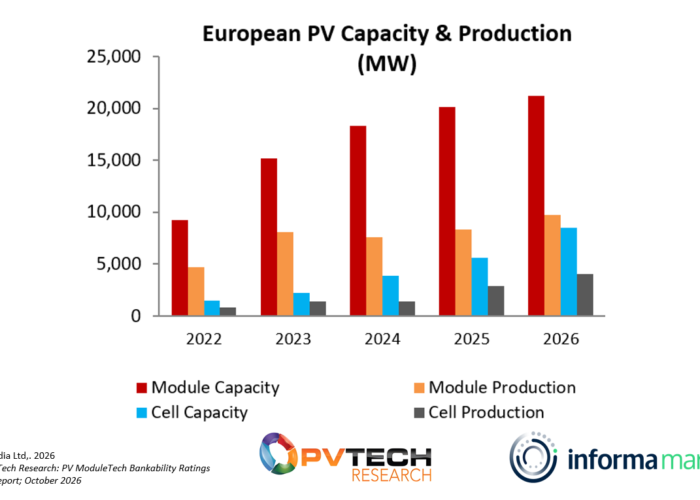
Another challenge the industry is facing due to the way the IRA has been set, is that it favours module capacity over the rest of the supply chain, explains Bertolino.
“If I look at what is happening in the market, and how manufacturers are moving, what has been happening is that very few are planning to make cells. Which is a failure of the policy,” adds Bertolino.
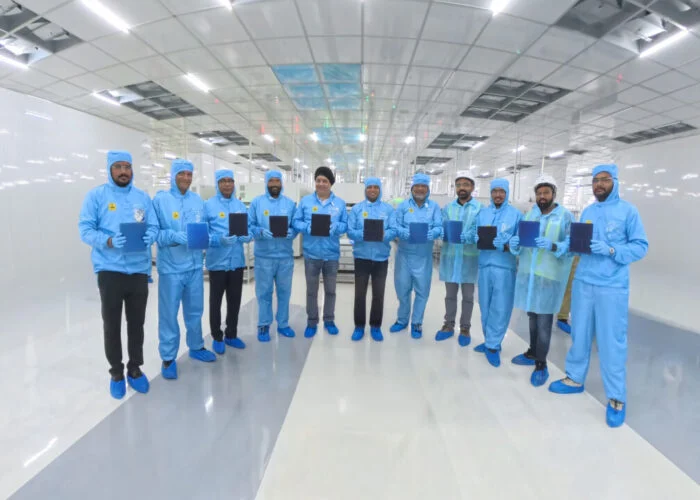
Despite that lack of incentive for reshoring other components of the solar supply chain in the US, and due to the company’s know-how with a solar cell and module assembly plant in Italy, 3Sun is building a 3GW heterojunction solar cell and module assembly plant in Oklahoma.
For an extended version of the interview which touches on other challenges the US solar manufacturing industry is facing, you can read it in this Premium article.
| PV Tech publisher Solar Media will be organising the third edition of Large Scale Solar USA Summit in Dallas, Texas 1-2 May 2024. With the Inflation Reduction Act (IRA) targeting US$369 billion for clean energy and US$40 billion for manufacturing, the solar industry has never been brighter. The IRA incentives, securing financing for future projects or permitting will be among the discussions at this year’s event. More information, including how to attend, can be read here. |