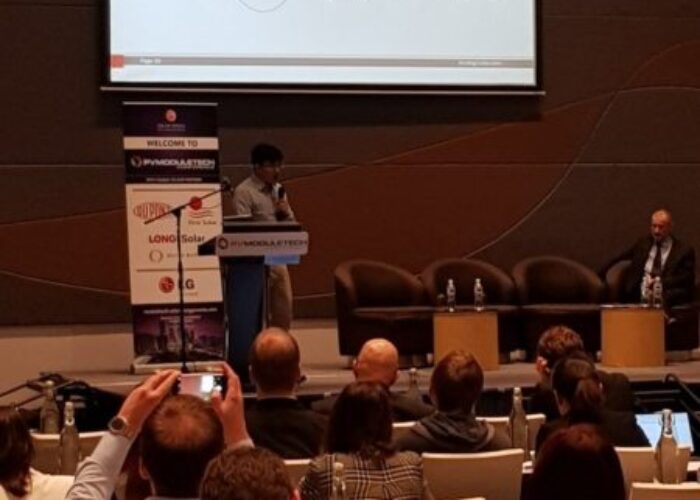
‘Silicon Module Super League’ (SMSL) member and the largest integrated monocrystalline manufacturer LONGi Green Energy Technology revealed its key strategic goals for 2019 at the inaugural PV ModuleTech conference being held in Kuala Lumpur, Malaysia.
Taiwan-based multicrystalline wafer producer Green Energy Technology (GET) is targeting solar module sales in emerging markets to boost revenue and return to profitability.
Having waited many years for such a far reaching event to come together, the solar industry has just a few hours more to wait before the inaugural PV ModuleTech 2017 kicks off in Kuala Lumpur, Malaysia.
US-headquartered high-efficiency PV module producer SunPower Corp reported better than guided third quarter financial results but narrowed 2017 full-year guidance and continued net losses for the year and through 2018 highlight the competitive challenges faced by the niche player.
Leading PV manufacturing equipment supplier Meyer Burger is undertaking another round of cost cutting, product rationalisation and manufacturing restructuring to improve profitability.
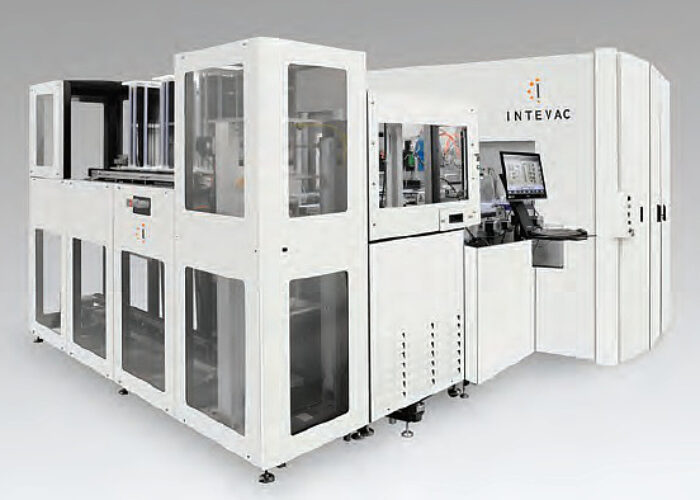
Specialist semiconductor and PV equipment supplier Intevac has reported delays in supplying a 12 unit order for its ‘ENERGi’ solar ion implant tool to a customer in China planning to ramp N-type mono IBC (Interdigitated Back Contact) solar cells and modules.
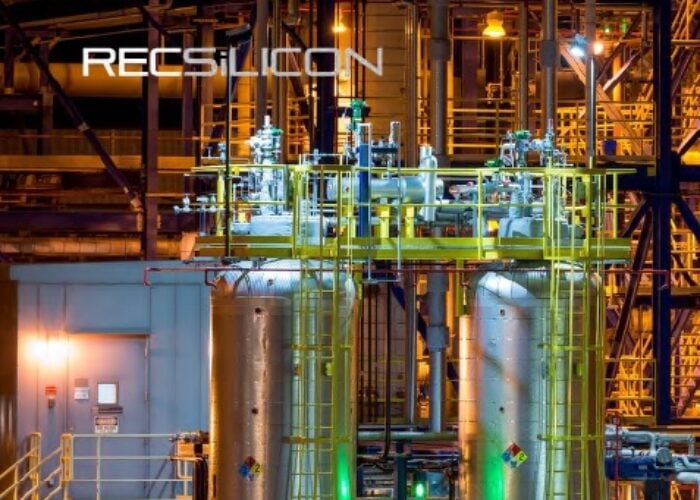
Polysilicon producer REC Silicon ASA benefited from higher sales volumes and ASP increases to report a 23% increase in revenue in the third quarter of 2017.
The inaugural PV ModuleTech 2017 event takes place in Kuala Lumpur, Malaysia, on 7-8 November 2017, and for many of the attendees taking part in the event, the anticipation is growing by the day!
US-headquartered engineering and consultancy firm Black & Veatch and engineering services, and certification testing lab, Renewable Energy Test Center (RETC) in California, said they would establish the first of its kind bifacial solar module ranking service.