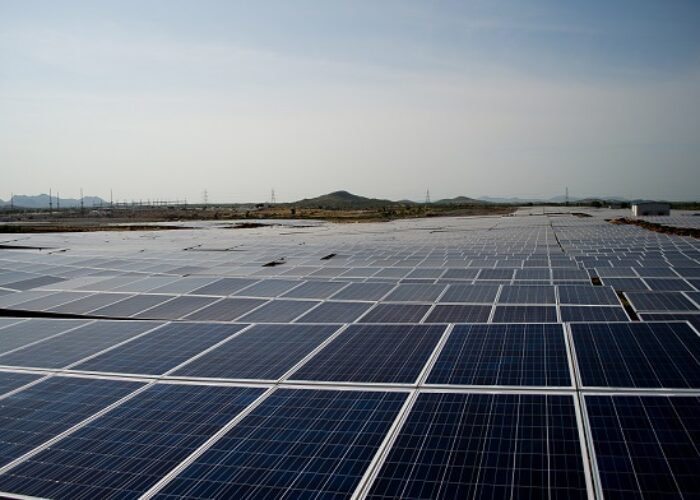
Solar Energy Corporation of India (SECI) has scrapped 150MW of solar capacity that was due to be auctioned under local content rules, in what may be a sign of the WTO ruling against the DCR taking effect.
Fears about India’s largest procurer of solar energy being unable to cope with payment defaults have been allayed by its inclusion in a payment security mechanism, according to the latest update from consultancy firm Bridge to India.
Even though monkeys were allegedly wreaking havoc on India’s solar rooftop systems last year, 2016 was remarkable for the Indian PV sector. With solar taking 1% the nation’s electricity share and India set to become the world’s third largest market in 2017 , Bloomberg New Energy Finance has proclaimed that ‘solar is king of Indian renewables’. Add the completion of the world’s largest solar plant to these accolades and you have a good indicator of the South Asian giant’s ambitions. Even India’s biggest oil, steel and mining companies are getting on board the solar rush.
Indian firms Adani and Azure Power have won 50MW solar capacity each in the state of Andhra Pradesh, in an auction with local content rules, according to consultancy firm Mercom Capital Group.
India’s installed cell and module manufacturing capacity has reached 1,468MW and 5,848MW respectively as of 30 June 2016, according to figures released by the Ministry of New and Renewable Energy (MNRE).
Solar Energy Corporation of India (SECI) has awarded 40MW of solar PV capacity to Renew Solar Power and 25MW to Mahindra Renewables in the state of Gujarat under open category.
Indian renewable energy firm, Tata Power Solar, a subsidiary of Tata Power, has commissioned a 100MW solar project under local content requirements in Anantapur, Andhra Pradesh.
Indian solar PV manufacturing is beginning to make headway after a significant module capacity increase in the last year. PV Tech caught up with Ivan Saha, president and chief technical officer of India-based manufacturer Vikram Solar for an industry update.
India could file trade cases against the US over violation of World Trade Organisation (WTO) norms related to the protection of solar panel producers in various US states, says energy minister.