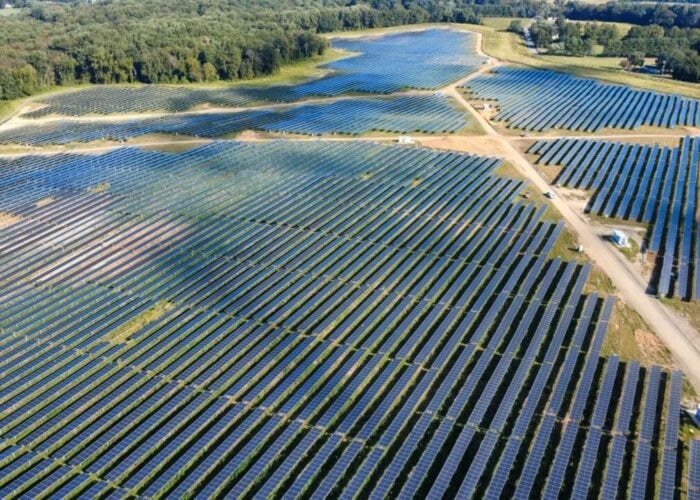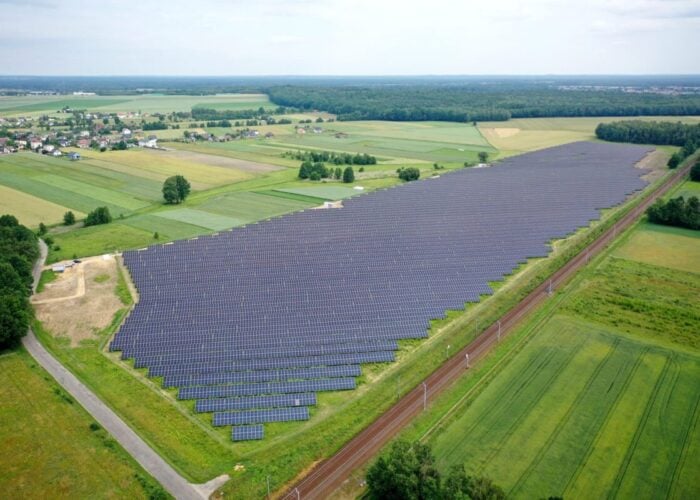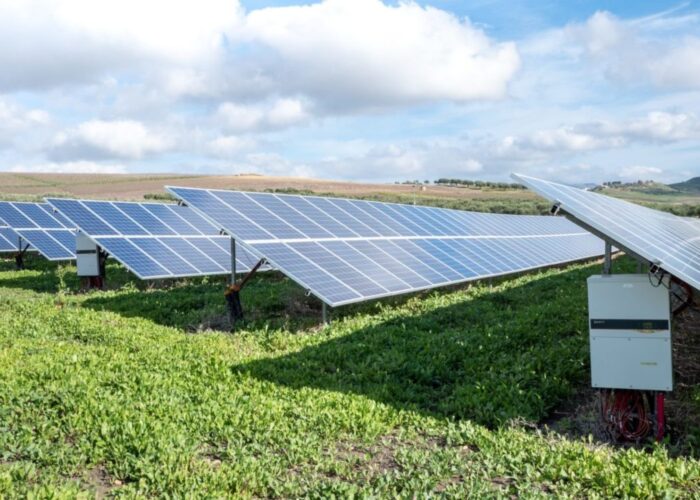
Central and southeastern European countries could cost-effectively cover more than one-third (34%) of their energy demand with renewables within ten years, a new report by the International Renewable Energy Agency (IRENA) finds.
IRENA’s transition path for the region estimates that additional investments of €78 billion are needed between now and 2030 in order to enable countries to build an energy system that is substantially less reliant on imported fossil fuels, while delivering energy at competitive costs.
Try Premium for just $1
- Full premium access for the first month at only $1
- Converts to an annual rate after 30 days unless cancelled
- Cancel anytime during the trial period
Premium Benefits
- Expert industry analysis and interviews
- Digital access to PV Tech Power journal
- Exclusive event discounts
Or get the full Premium subscription right away
Or continue reading this article for free
The report, dubbed 'Renewable Energy Roadmap for the Central and South Eastern Europe Energy Connectivity Initiative (CESEC)', says that by placing the energy transition at the heart of the region’s economic development, policymakers can simultaneously alleviate the socioeconomic impact of COVID-19, stimulate a green recovery and accelerate the transformation of the energy sector.
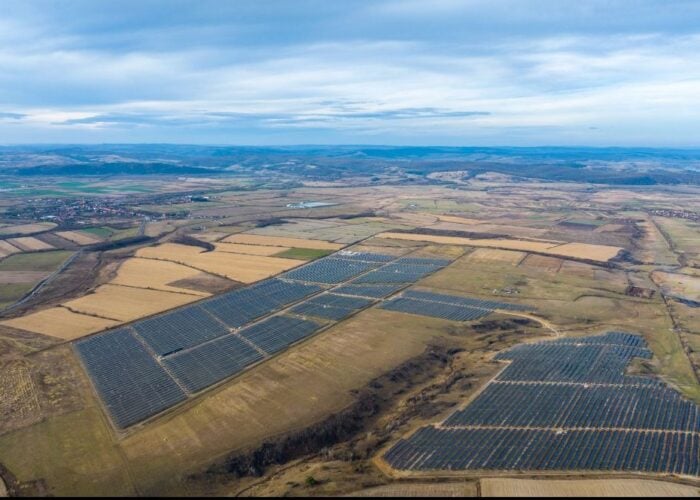
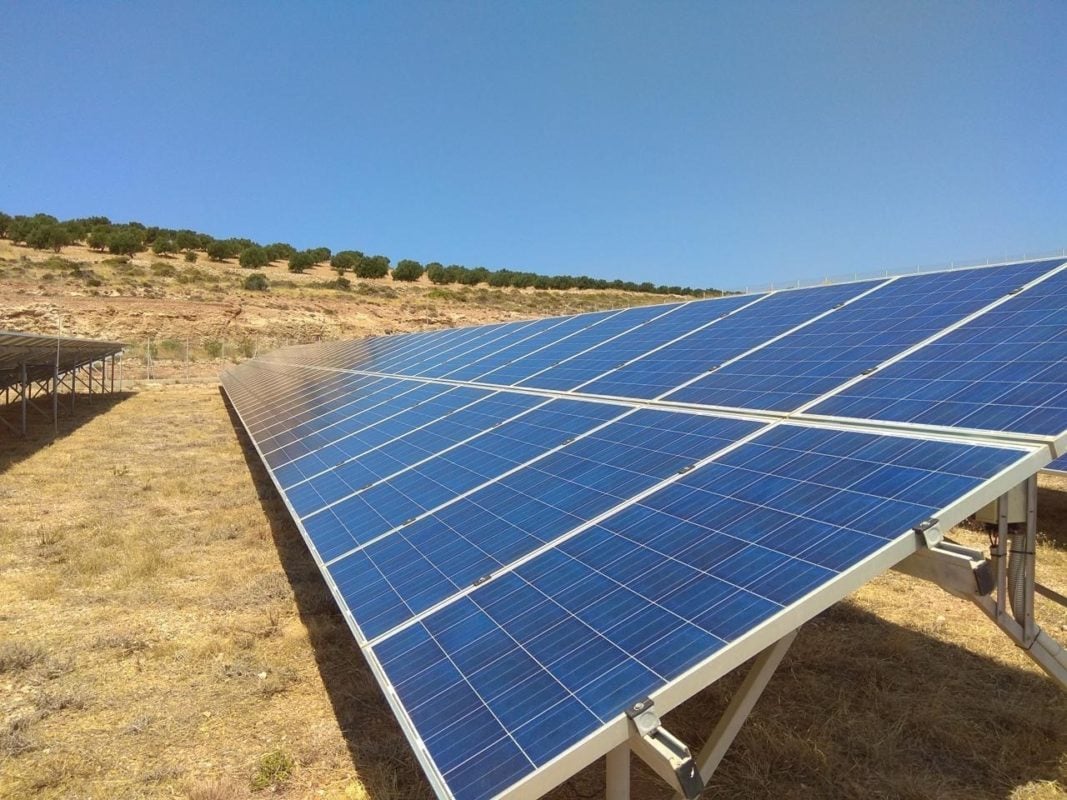
It also highlights the region’s “excellent resource conditions” to scale up renewable power as well as the “vast untapped potential” for both solar PV and offshore wind.
“Renewables can reduce the region’s energy bill to the benefit of citizens and industry while improving energy security, air quality and aligning the region with long-term decarbonisation goals of the Paris Agreement,” Francesco La Camera, IRENA director-general, said.
The report suggests all CESEC countries have cost-effective potential to accelerate the deployment of renewables over the next decade beyond current policies.
European commissioner for energy Kadri Simson said: “The benefits from investing in renewables at this time of recovery are significant – for the economy, for the consumers and for the environment. As highlighted by the IRENA report, focusing on solar, wind and hydropower would create local green jobs and allow the region to gain from closer energy cooperation.”