President Joe Biden would veto the repeal of his two-year waiver of US solar import tariffs if it passed through the House of Representatives, the White House has said.
According to reports from Reuters, the White House said it “strongly opposes” the proposal to remove the waiver, which Biden brought into force by executive order last year. The proposal has been earmarked to go to vote this week after passing through the House of Representatives Committee on the 19th of April.
Try Premium for just $1
- Full premium access for the first month at only $1
- Converts to an annual rate after 30 days unless cancelled
- Cancel anytime during the trial period
Premium Benefits
- Expert industry analysis and interviews
- Digital access to PV Tech Power journal
- Exclusive event discounts
Or get the full Premium subscription right away
Or continue reading this article for free
In January a bipartisan group of lawmakers issued a resolution to repeal the waiver, saying that the US should not allow Chinese importers to violate its trade law at the expense of domestic companies.
Last week, a group of over 400 US solar companies signed a letter urging congress to reject the proposal and warning of US$1 billion in retroactive tariffs that would cause project cancellations and curb the growth the industry has seen since the Inflation Reduction Act passed last summer.
The president’s initial announcement of the waiver was greeted warmly by much of the US solar industry, but experts speaking to PV Tech Premium did raise concerns about the move’s legality and whether it would ultimately be challenged in court.
The White House said that there is no plan to extend the waiver past the initial 2024 end date as domestic manufacturing supply has expanded in the last two years.
The ongoing drama around the tariffs is ultimately about the crux of the US’ energy transition. The country is trying to transition its energy supply from gas dominance to renewables (solar being the most readily deployable en masse) whilst simultaneously transitioning from reliance on Chinese supply chains to a self-contained domestic one.
Currently around 80% of the US’ modules come from Southeast Asia, the majority of which were found to be produced by Chinese manufacturers redirecting their operations to avoid import duties.
The original anti-dumping/countervailing duty tariff story can be found here.
Whilst the US market is becoming one of the most attractive in the world for solar investment, solar industry analysts have said that the US will be unable to meet its solar demand with domestic capacity and will need to rely on imports in the coming years.
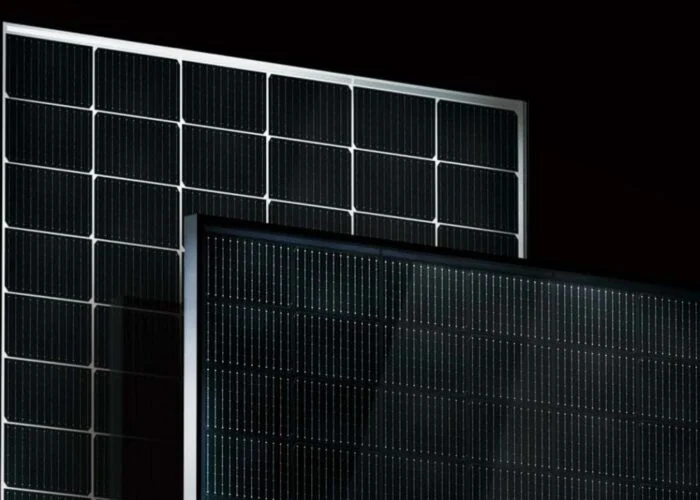
PV Tech recently published a breakdown of the module technologies the US can expect to dominate in 2023. We forecast that mono-passivated emitter rear contact (PERC) modules will remain the dominant force, but that First Solar’s thin film cadmium telluride (US-made) offerings will account for almost a quarter of the market.