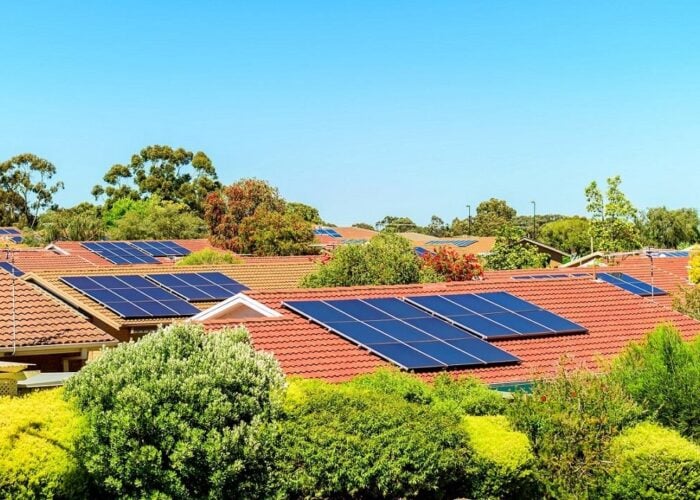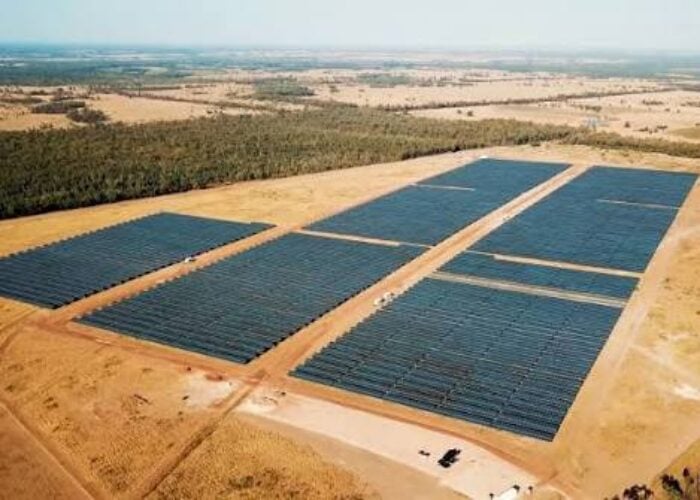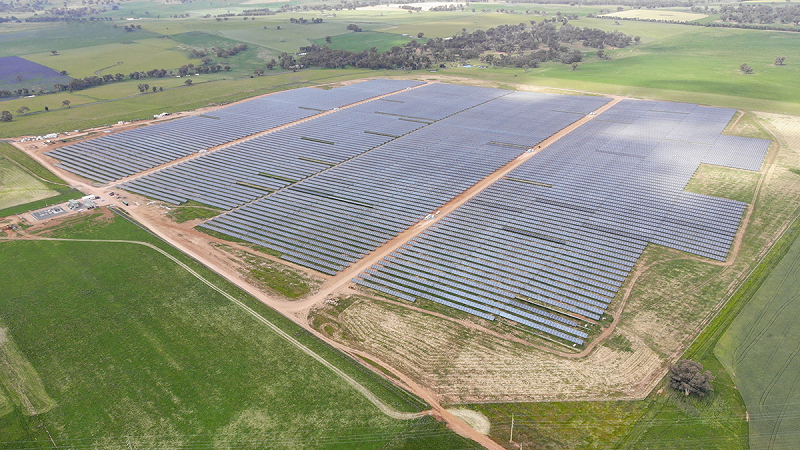
Australia’s New South Wales government has introduced legislation to accelerate the delivery of renewable energy infrastructure as the state’s coal-fired power stations prepare to exit the system.
The Energy Legislation Amendment (Prioritising Renewable Energy) Bill 2026 enables the energy minister to identify and prioritise the highest-value projects in the planning pipeline.
Try Premium for just $1
- Full premium access for the first month at only $1
- Converts to an annual rate after 30 days unless cancelled
- Cancel anytime during the trial period
Premium Benefits
- Expert industry analysis and interviews
- Digital access to PV Tech Power journal
- Exclusive event discounts
Or get the full Premium subscription right away
Or continue reading this article for free
The proposed law will allow streamlined approvals for generation, storage and network projects while maintaining all environmental and community assessment requirements.
Developers will still be required to meet planning, environmental and consultation obligations, with priority projects expected to demonstrate best practice in engagement with landholders and communities, particularly in regional areas.
The NSW energy and climate change minister, Penny Sharpe, said the legislation would ensure the infrastructure needed to support heavy industry, including the Tomago aluminium smelter, does not delay in the planning queue.
“This new legislation will mean infrastructure projects that are critical for manufacturing jobs, economic growth and energy affordability don’t get stuck in the queue. No matter where you live in this state, you will benefit from us getting on with the job and delivering quality renewable energy projects as fast as we can,” Sharpe said.
The Tomago smelter, which consumes more than 12% of NSW’s electricity demand, had faced potential closure when its power supply contract expired in 2028 before the federal and state governments intervened in December 2025 to secure its future with a fixed-price, long-term power purchase agreement backed by new renewable energy infrastructure.
Renewable energy already provides approximately 36% of NSW’s annual electricity supply, with the state recording multiple periods during summer 2025-26 when renewables accounted for more than 80% of the electricity supply mix.
The state has approved 13.76GW of renewable energy generation projects, 18.91GW of energy storage system projects, and 2GW of long-duration storage since 2019, and is targeting at least 16GW of new renewable energy generation by 2030.
Planning reforms and community benefits
Planning minister Paul Scully said assessment times for renewable energy projects have been reduced by almost 20% since 2023, with 50% more approvals delivered over the same period.
“With a growing pipeline of energy projects ahead of us, we need a planning system that can support achieving our ambitious energy targets. Since 2023, we’ve already reduced assessment times for renewable energy projects by almost 20 per cent while delivering 50% more approvals,” Scully said.
The new legislation will enshrine the NSW Benefit-Sharing Guideline in law, ensuring councils and communities hosting projects receive associated benefits.
More than AU$180 million (US$130 million) in benefits have been committed to communities since the guideline’s introduction in November 2024, in addition to the Renewable Energy Zone (REZ) community and employment benefit funds coordinated by EnergyCo.
The government is also developing reforms to improve how projects are referred to the Independent Planning Commission for determination, with Scully stating the changes will ensure NSW residents maintain a strong voice while avoiding unnecessary delays to energy projects.
He said the reforms would prevent critical projects from being delayed by objections from people thousands of kilometres away who will not be impacted by them.
This is the latest development in NSW. In recent months, construction has commenced on the Hunter-Central Coast REZ transmission project, which will connect renewable energy generation in the Hunter region to demand centres.
EnergyCo has also submitted federal approval applications for the New England REZ transmission infrastructure, which will help unlock 6GW of renewable energy capacity by 2034 through 290km of 500kV transmission lines and five energy hubs spanning seven local government areas.
As reported by PV Tech earlier this year, NSW broke the 1TWh solar generation barrier in December 2025, with the state’s solar output surging as part of Australia’s broader renewables expansion.