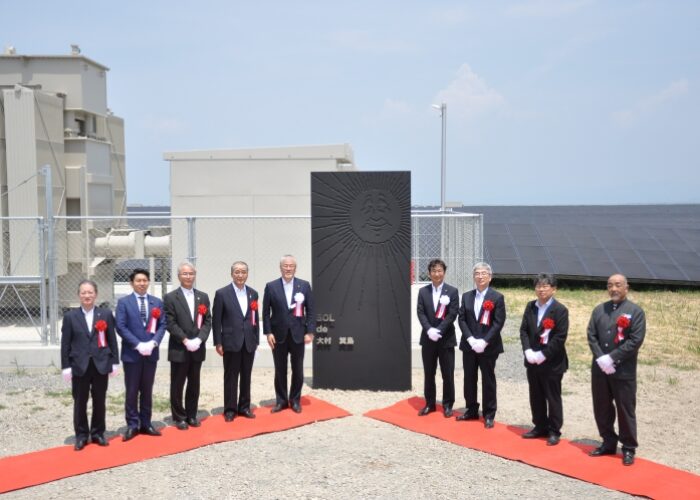
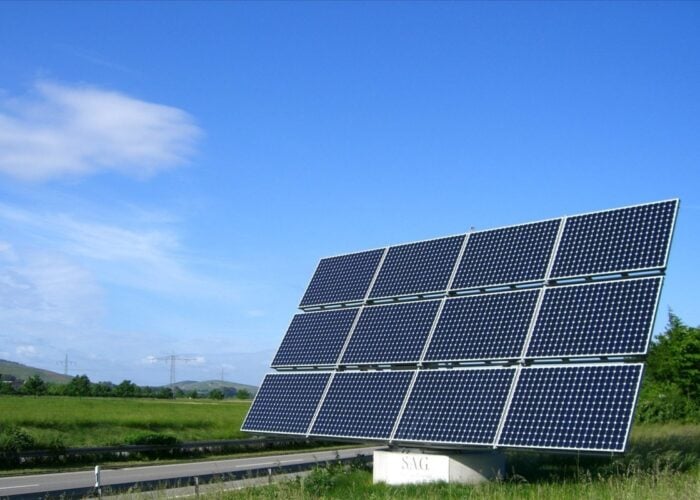
Leading CIS thin-film producer Solar Frontier said it had completed on schedule the largest PV power plant in Nagasaki Prefecture that resides next to Nagasaki airport runway.
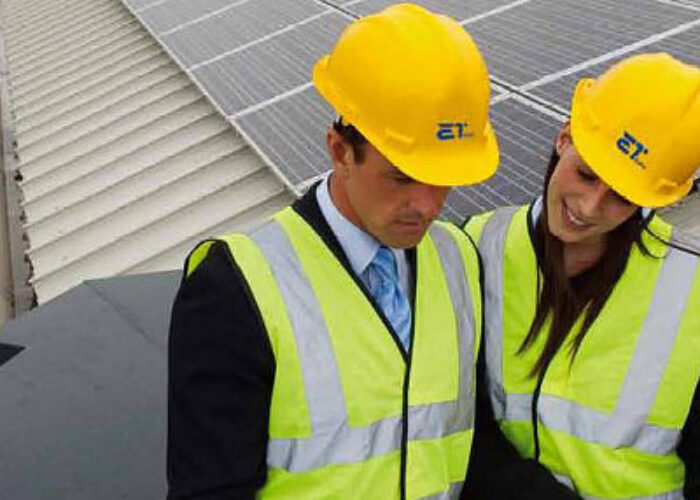
The largest dedicated and integrated monocrystalline product producer Longi Silicon Materials has signed a cooperation contract with China-based PV module manufacturer and EPC firm ET Solar to champion monocrystalline technology and products globally.
Leading ‘Silicon Module Super league’ (SMSL) member Trina Solar has announced that its chairman and chief executive officer, Jifan Gao has secured an investor consortium to take the company private and exit the NYSE in a US$1.1 billion transaction. The merger is currently expected to close during the first quarter of 2017.
Tesla Motors' possible acquisition of leading US residential PV installer SolarCity has been sealed with an all-stock transaction valued at around US$2.6 billion.
Recent first half 2016 downstream PV installation figures for China have led industry advisory firm AECEA to project full-year figures could be in the 25GW to 30GW range, significantly ahead of planned installs of around 18GW.
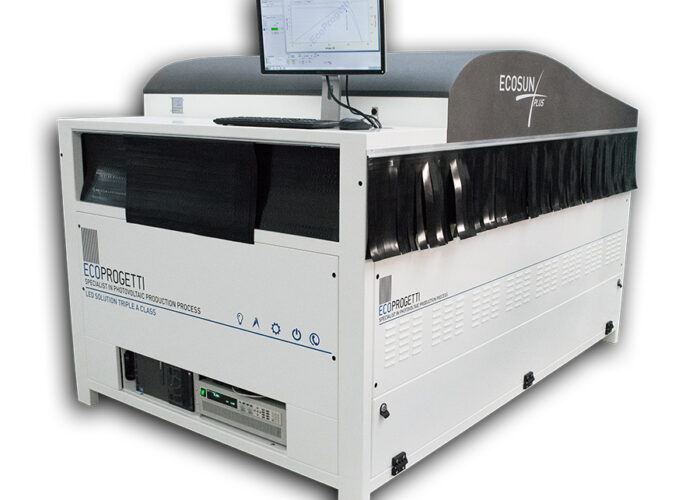
Ecoprogetti has launched its latest innovative sun simulator with LED technology in A+A+A+ Class certified and verified by TÜV. The newest levels in A+A+A+ of uniformity, stability and repeatability are the most advanced available in the market, according to the company. Ecosun Plus is the solution for precise and reliable I-V Curve tests of both standard PV modules and mainly for testing all new high efficiency cells technology in PV modules.
In this week's Movers & Shakers, PV Tech reports some recent industry mergers and acquisitions, dramatic UK solar job losses and an equally dramatic opportunity for job growth in the US with Tesla's new Gigafactory in Nevada.
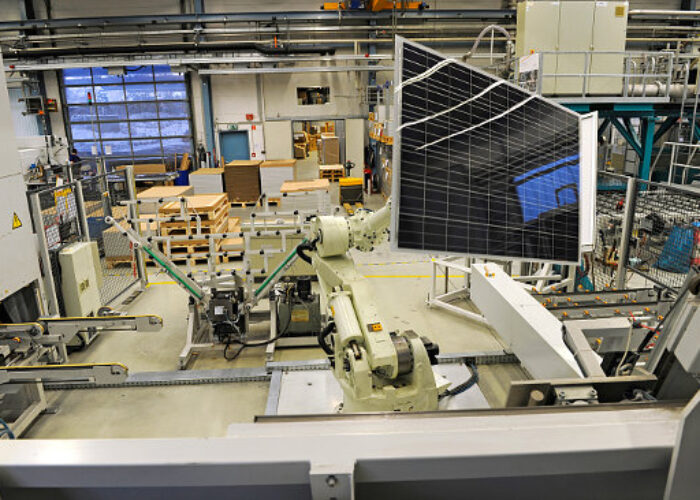
Integrated PV module manufacturer SolarWorld has reported flat revenue and shipments for the second quarter of 2016, compared with the previous quarter.
PV Tech’s preliminary analysis of global PV manufacturing capacity expansion announcements in June, clearly demonstrate a significant slowdown in recent months.
China-based major EPC firm TBEA Sunoasis has signed a memorandum of understanding (MOU) with two Egyptian government agencies to build two 500MW PV power plants in the country.