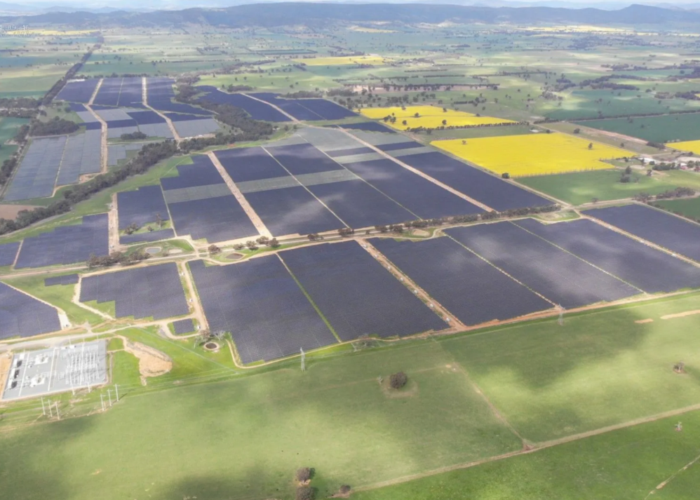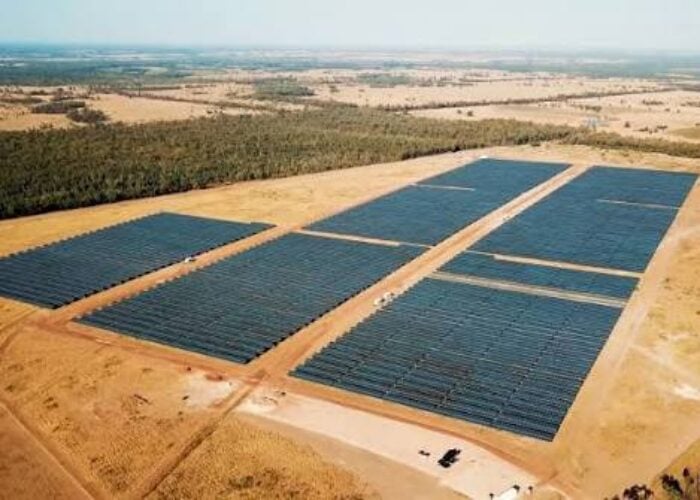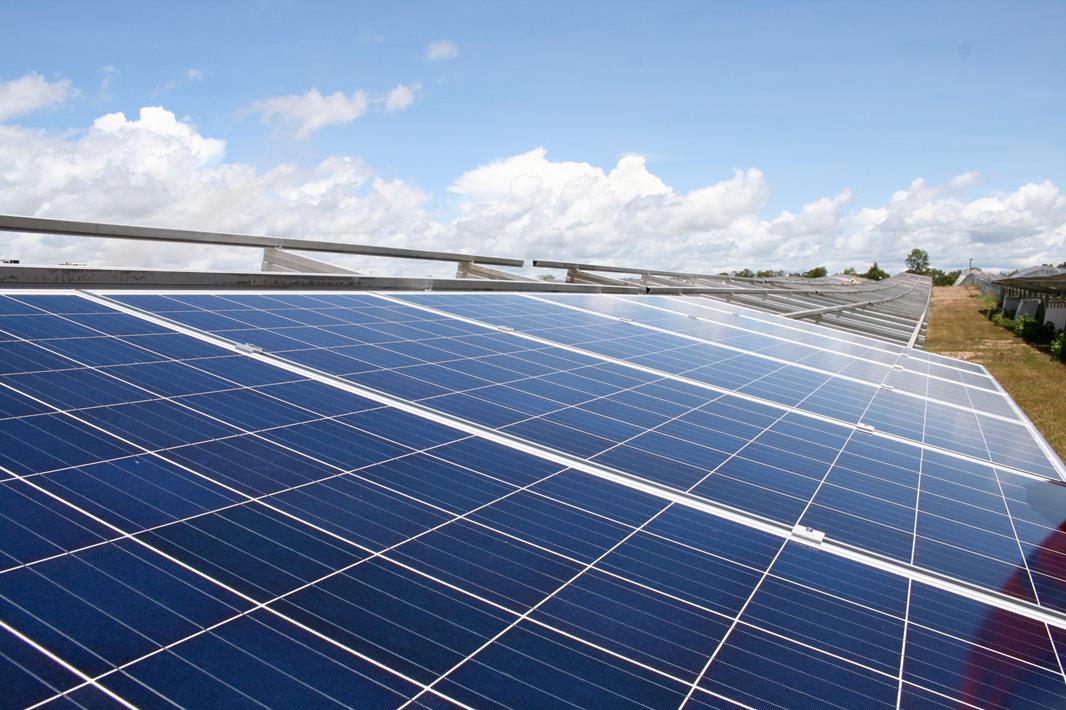
Western Australia has granted environmental approval for the first 15GW stage of a renewable energy hub focused on green hydrogen production that could eventually reach 26GW of solar and wind generation.
The Asian Renewable Energy Hub is intended to encompass 6,500 square kilometres of land in the Pilbara region of Western Australia. While up to 3GW of generation capacity will be dedicated to large energy users in the Pilbara, which could include new and expanded mines and downstream mineral processing, the bulk of the energy will be used for large-scale production of green hydrogen for both domestic and export markets.
Try Premium for just $1
- Full premium access for the first month at only $1
- Converts to an annual rate after 30 days unless cancelled
- Cancel anytime during the trial period
Premium Benefits
- Expert industry analysis and interviews
- Digital access to PV Tech Power journal
- Exclusive event discounts
Or get the full Premium subscription right away
Or continue reading this article for free
Western Australia’s government said environmental approval for the first stage – which includes 5GW of solar generation and 10GW of wind – represents a “major step forward” for the project.
“This development will demonstrate Western Australia's credentials as a world-class investment destination for green energy generation, including the production of exportable commodities, like green hydrogen and ammonia, and green steel manufacturing. It will put Western Australia on the map as a major contributor to lowering global carbon emissions,” said the state’s regional development minister, Alannah MacTiernan.
The hub is being developed by a consortium of partners including InterContinental Energy, CWP Energy Asia, Vestas and Pathway Investments.
It is hoped the development will help diversify the Western Australian economy and build a supply chain to manufacture some of the equipment associated with the wind and solar generation. Up to 5,000 direct construction jobs are set to be created during the 10-year project construction period, with 3,000 direct jobs created for the 50-plus year operational period.
Approval for the first stage comes after the Western Australian government announced a AU$22 million (US$16.03 million) investment to boost the state’s hydrogen industry across four areas: export, use in remotely located industries, blending in natural gas networks and use in fuel cell electric transport vehicles. According to MacTiernan, hydrogen has the potential to be a “major economic driver for the state”.
Hydrogen is one of five technologies that Australia’s federal government is backing to slash emissions, with the Australian Renewable Energy Agency tasked to explore its development through fresh funding.
The country’s recent budget included a AU$70.2 million (US$49.9 million) spend over five years on a hydrogen export hub as it looks to build on hydrogen-related agreements announced in the last year with countries such as Japan, South Korea, Singapore and Germany.