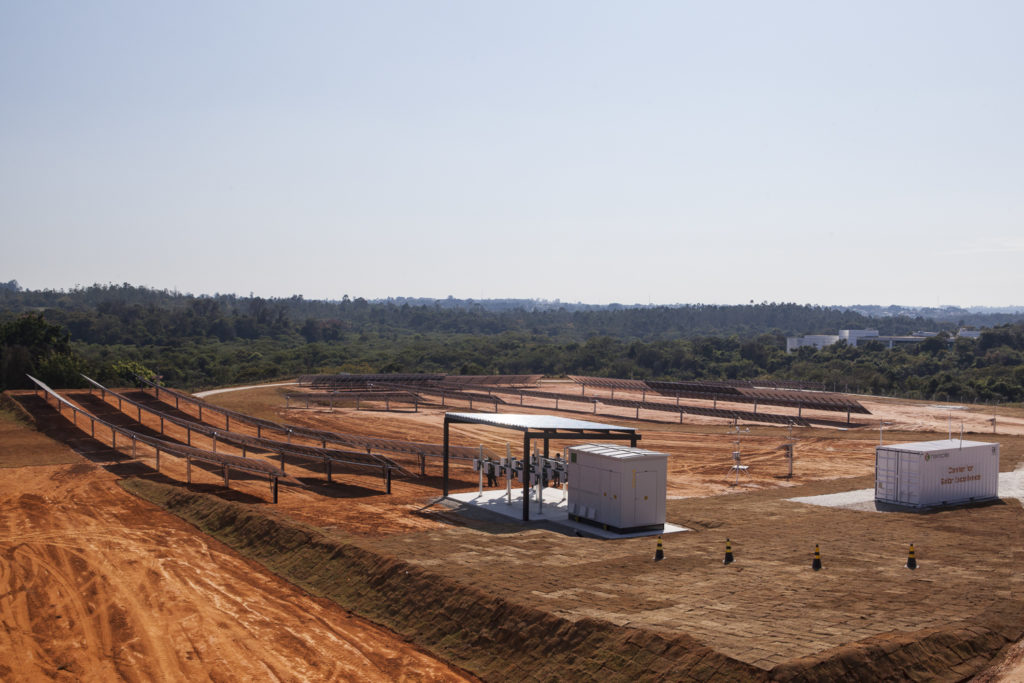
Since starting operations in Brazil in 2015, Nextracker’s presence in the country has never stopped increasing, with its latest step being the inauguration of the Brazil Center for Solar Excellence in August.
This is the first research and development (R&D) facility outside North America for the tracker manufacturer and a commitment to the utility-scale industry in the largest Latin American country for solar PV.
Try Premium for just $1
- Full premium access for the first month at only $1
- Converts to an annual rate after 30 days unless cancelled
- Cancel anytime during the trial period
Premium Benefits
- Expert industry analysis and interviews
- Digital access to PV Tech Power journal
- Exclusive event discounts
Or get the full Premium subscription right away
Or continue reading this article for free
“We want to bring IP created in Brazil for the Brazilian utility-scale solar plant,” says Kristan Kirsh, VP of global marketing at Nextracker. Kirsh adds that having a base in Brazil was a proactive reaction, with the company aiming to harness the opportunity to manufacture in the South American country as early as possible.
The selection of Sorocaba, near Sao Paulo, for the R&D facility is an accumulation of different factors, that go from the strong presence of Flex, Nextracker’s parent company, with three manufacturing plants that produce the controllers for the trackers; Brazil being the second largest market in the world for the company and the fast-growing pace of utility-scale in the country among others.
“It’s the largest solar tracking R&D facility and test lab in South America,” says Kirsh, adding that there are other facilities in the region but they all are fixed tilt.
Moreover, having a facility located in the southern hemisphere will allow the company to better study the difference in climates and environment from its R&D facility in Fremont, California.
“There are lots of things that we can do in Brazil that we can’t necessarily do here,” says Kirsh, adding that the company will be able to test their hardware and software products in rolling hills, for example, and other types of structures too.
Aside from a dedicated space for rolling hills and fixed tilt, Nextracker will also study and analyse its tracker technology in other areas such as agrivoltaics, wind testing and also a large section for the bigger modules of up to 610W.
In addition to the dedicated terrain to test and analyse the company’s trackers, it will have a bigger dedicated area to train third-party installers and EPC partners, something the US manufacturer has been doing for many years and is keen on ramping up.
One of the goals for the company is to make the facility a place to go for the industry not only in Brazil but for the whole region. “It’s a place for the utility-scale solar industry to go, learn, be trained, and seek the best products,” adds Kirsh.
While Brazil has mostly been dominated by distributed generation (DG), with almost 70% of the installed capacity coming from DG, according to data from Brazilian trade body Absolar, utility-scale is poised to grow exponentially, says Kirsh.
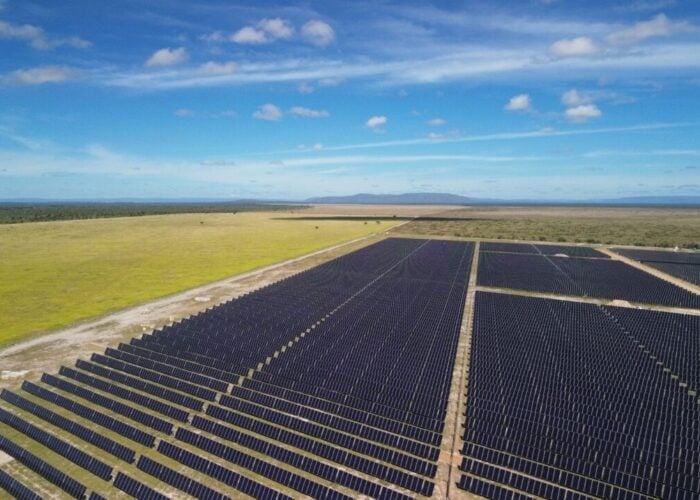
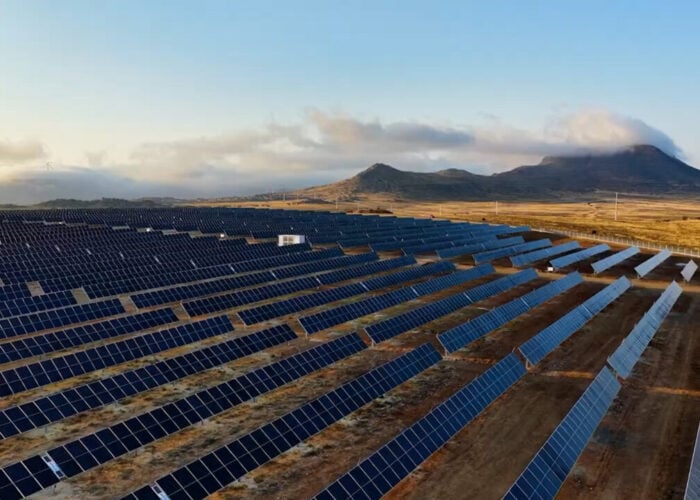
Nextracker is providing trackers for nearly 6GW of utility-scale projects under development or in operation in Brazil, with more than 2.6GW from the past nine months.
While the US manufacturer is looking into accelerating and increasing its manufacturing capacity domestically after the passage of the Inflation Reduction Act, the inauguration of the Brazilian R&D facility is a step further into the company’s idea to keep the local know-how of the solar industry in Brazil and expand it to the rest of the region.