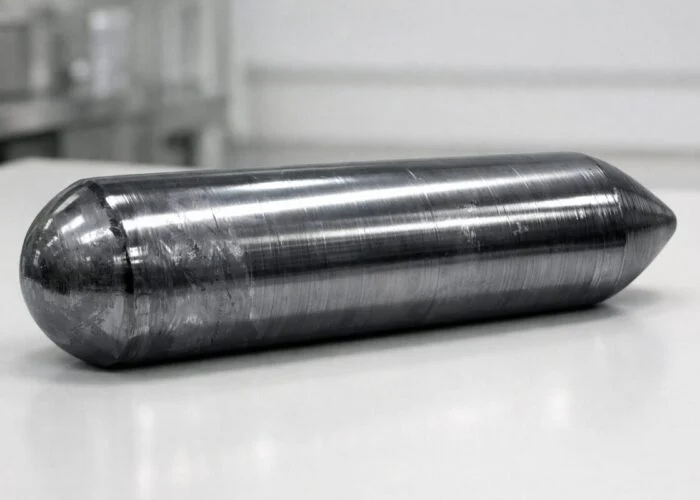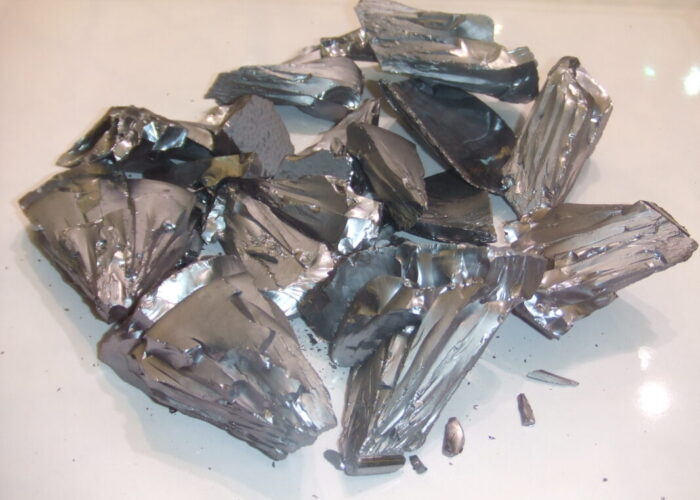
Indian solar manufacturer Adani Solar is reassessing the timeline of its plan to build a 10GW polysilicon manufacturing plant due to the tumbling prices of polysilicon in the past 18 months.
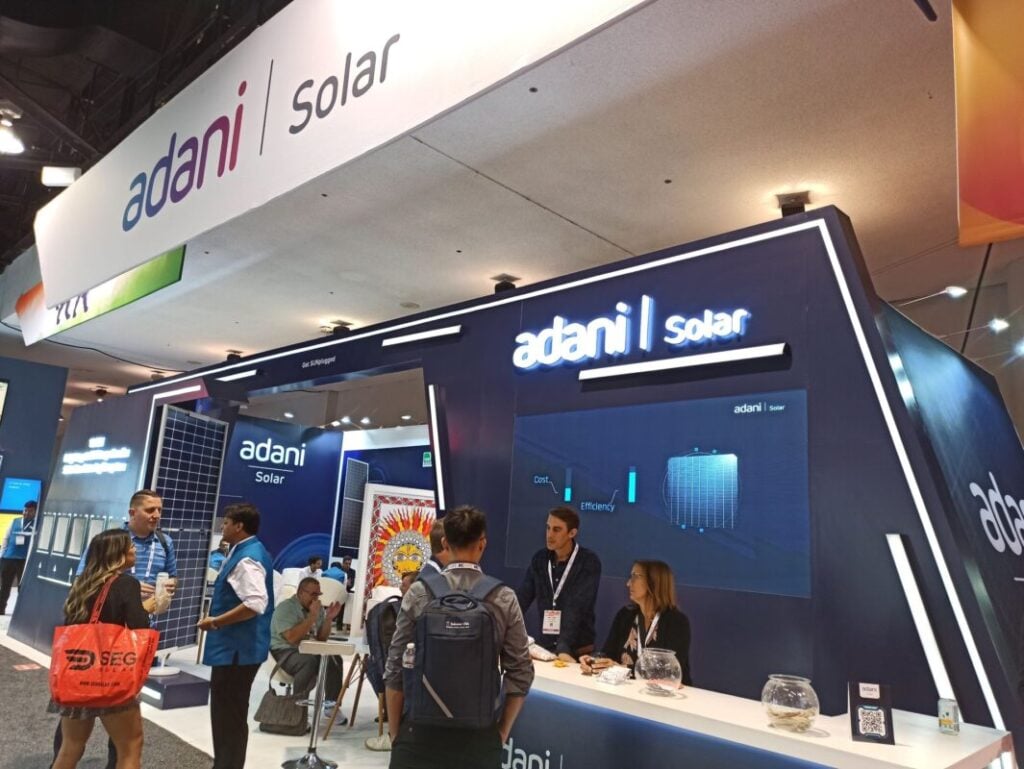
A spokesperson for Adani Solar told PV Tech at RE+ Anaheim, California, that the company has completed the basic engineering in polysilicon without making any further progress. However, the company is still targeting to reach 10GW of vertically integrated capacity (including from ingots to modules).
Try Premium for just $1
- Full premium access for the first month at only $1
- Converts to an annual rate after 30 days unless cancelled
- Cancel anytime during the trial period
Premium Benefits
- Expert industry analysis and interviews
- Digital access to PV Tech Power journal
- Exclusive event discounts
Or get the full Premium subscription right away
Or continue reading this article for free
“Doing a business case on this raw material of the supply chain is a tough one right now. So we’ve held ourselves back on this,” said Adani Solar’s representative.
The same pressures continue to make a dent in the top polysilicon producers, including Tongwei Solar, GCL Technology, Daqo New Energy, and Xinte Energy. All four companies have registered net losses in the first half of 2024, according to a recent report from polysilicon market analyst Bernreuter Research.
In less than two years, polysilicon prices have gone from a high of RMB235/kg (US$33/kg) in February 2023 to as low as RMB32/kg since May this year, with prices stabilising at that low end for the past five months.
If low prices for polysilicon remain a major issue for the industry, overcapacity is another. Aside from Tongwei, all three of the major companies have reduced the operational rates of their plants.
However, this will not affect the company’s goal to reach 10GW of solar cells and module annual nameplate capacity in the coming 18 months, a 2.5x increase from the current cell and module capacity operational, which sits at 4GW for both solar cells and modules. It has also recently started producing 2GW of nameplate capacity for both ingots and wafers.
Adani’s spokesperson told PV Tech that the capacity will primarily be for the Indian market, with some capacity aimed at being exported to the US market. With the company producing its own solar cell capacity, it reduces American customers’ exposure to Chinese components.
“Other Indian manufacturers are still importing cells. Some of them come from Southeast Asia, where there is the risk of the AD/CVD,” explained Adani’s representative, adding: “That kind of gives us a strategic advantage, and also for our customers in the US – the strategic advantage of working with a player that has its own cell manufacturing.”
Regarding expanding its manufacturing footprint in the US, Adani’s spokesperson said the company was not looking into it and was focusing on strengthening its Indian operations.
“Manufacturing in India is our area of strength. We want to do more of that: establish ourselves well in India and use that as a base to address the markets worldwide, rather than spread ourselves thin and maybe establish something in the US and then not being able to be do anything efficiently in the US.”
This article has been amended to clarify the status of Adani’s plans for polysilicon production.