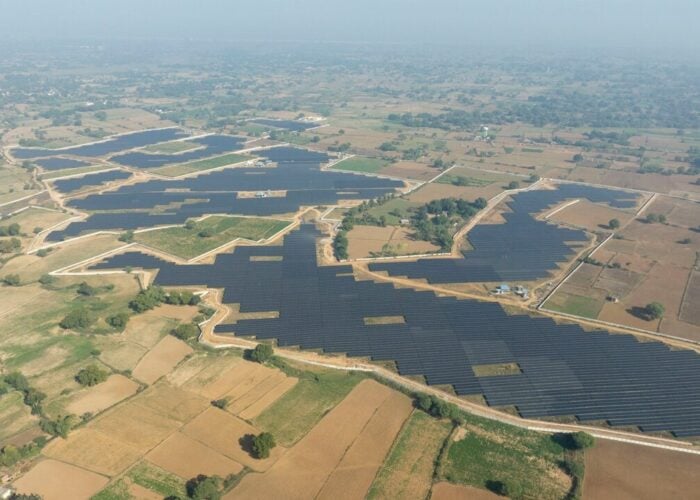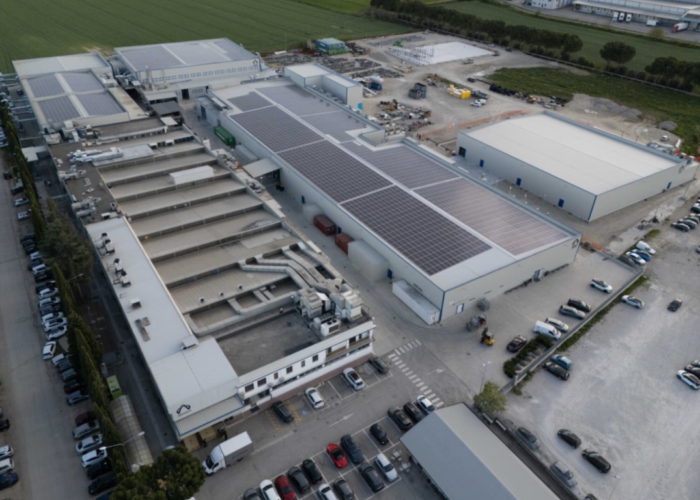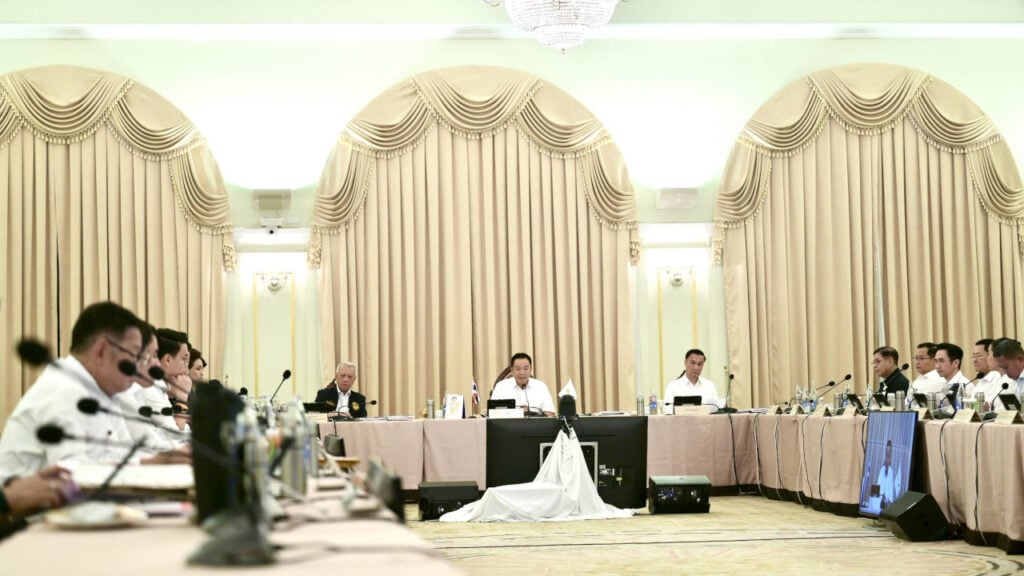
Thailand’s cabinet has approved a THB50 billion (US$1.48 billion) rooftop solar PV installation scheme, termed the People’s Solar programme.
The programme was announced initially by energy minister Akanat Promphan on 2 September as part of a THB200 billion (US$6 billion) energy transition emergency fund that aims to shield the Thai economy from the recent rise in energy prices following the war in Iran.
Try Premium for just $1
- Full premium access for the first month at only $1
- Converts to an annual rate after 30 days unless cancelled
- Cancel anytime during the trial period
Premium Benefits
- Expert industry analysis and interviews
- Digital access to PV Tech Power journal
- Exclusive event discounts
Or get the full Premium subscription right away
Or continue reading this article for free
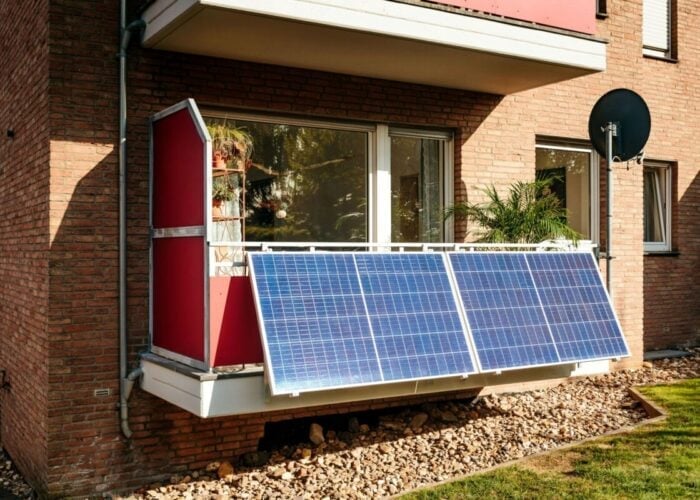
Now with cabinet approval, Thailand will aim to deploy rooftop solar systems on one million households within the year, with the government offering a subsidy of THB50,000 (US$1,481) per household for on-roof or on-ground installation via state-owned financial institutions. The scheme aims to deploy a total of 5GW of solar PV capacity across the country.
Per the Bangkok Post, the Interior Ministry is considering expanding the target to 1.5 million households.
At present, renewable energy, including solar PV, makes up around 10% of Thailand’s power generation, with natural gas accounting for over 60%. A quarter of the gas the country uses for electricity generation is imported, of which half is bought at spot prices on the open market.
The Thai cabinet also approved an investment of more than TBH20 billion (US$600 million) in smart grid development to allow the public to sell surplus solar power back to the grid once their household panels have been installed and are operational. To further reduce the cost burden on its population caused by the rise in global energy prices, a cut to biofuel taxes was also approved by the same meeting of the cabinet.
Earlier this year, Chinese solar manufacturer GCL SI signed a 1GW supply agreement with Getz Energy to provide the subsidy of Thai utility Global Power Synergy Public Company (GPSC) with solar modules and battery energy storage systems (BESS). Solar PV is expected to grow considerably in Thailand in the coming years, across the utility-scale, rooftop and floating solar segments, with Rystad Energy expecting Thailand to exceed 10GW of cumulative capacity by the end of the decade.